
Summer Flower Beds: Keeping Color Through Shore Heat
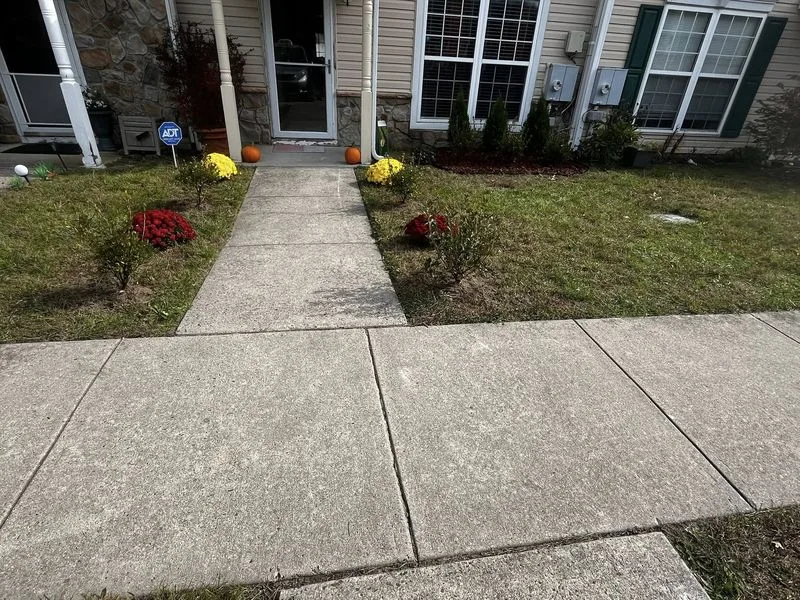
By late June the spring color is fading and the real test starts. Atlantic County summers stack three things against a flower bed at once: long stretches of 85-to-90-degree afternoons, sandy soil that drains before the water reaches the roots, and salt-laden wind off the bay and ocean that burns tender foliage. A bed that looked perfect on Memorial Day can go leggy, scorched, and bloomed-out by the Fourth of July if nobody is tending it. The good news is that keeping color through August is mostly about picking the right plants for this climate and staying ahead of a few simple chores.
If you are at the shore in Margate, Ventnor, Brigantine, or Longport, salt tolerance is not optional. Even a few blocks back from the water, summer storms push salt spray inland and the wind never really stops. The mainland towns like Linwood, Northfield, and Egg Harbor Township get a break on the salt but still bake in the heat and lose water fast through that loose, sandy soil. Both situations reward the same approach: tough plants, deep watering, and regular deadheading.
Which Summer Annuals Actually Hold Up at the Shore?
Not every flower at the garden center can take a South Jersey summer. The ones that thrive here share a trait: they shrug off heat and keep blooming without constant babysitting. For full-sun beds, the reliable performers are:
- Lantana — practically heat-proof, blooms nonstop, and the most salt-tolerant annual on this list. Ideal for shore-facing beds.
- Zinnias — fast color, great for cutting, and they laugh at July heat as long as they get sun.
- Vinca (periwinkle) — loves hot, dry, sandy beds where impatiens would melt. A workhorse for Atlantic County soil.
- Pentas — clusters of color that pull in butterflies and hold through the worst of the heat.
- Angelonia — upright spikes that stay tidy and need almost no deadheading.
For shadier spots near the house, coleus and begonias bring foliage and bloom color without demanding full sun. Skip impatiens in exposed beds — they wilt the moment the soil dries out, which in sandy shore soil is constant.
How Often Should You Water Summer Beds Here?
Sandy Atlantic County soil is the catch. It drains so fast that a quick daily sprinkle never soaks past the top inch, which trains roots to stay shallow and leaves plants helpless the first time you skip a day. Water deeply and less often instead — a thorough soak two or three times a week that wets the soil six inches down beats a light daily mist every time.
Water early in the morning so the foliage dries before the midday sun and the roots drink before the heat pulls the moisture back out. Avoid evening watering on dense beds; wet leaves overnight invite mildew. A two-to-three-inch layer of mulch over the bed cuts evaporation dramatically and is the single best thing you can do to stretch the time between waterings. We cover depth and timing in our mulch installation guide for South Jersey beds.
Why Deadheading Is the Secret to August Color
A flowering annual has one biological goal: set seed and finish. Once a bloom is spent and goes to seed, the plant slows new flower production. Deadheading — pinching or snipping off the faded blooms before they seed — tricks the plant into pushing more flowers to try again. Ten minutes a week of deadheading is the difference between a bed that quits in mid-July and one that is still full of color over Labor Day weekend.
While you are at it, pinch back anything getting leggy. Petunias, in particular, stretch into bare stems by midsummer; cutting them back by a third forces bushier, fuller regrowth within a couple of weeks. A light midsummer feeding with a balanced fertilizer gives heavy bloomers the fuel to keep going through the back half of the season.
Should You Use Containers or In-Ground Beds?
Containers and window boxes are the workhorses of shore-area color, especially for the bayfront and oceanfront properties where in-ground bed space is tight and the soil is pure sand. Pots let you control the soil completely and move tender plants out of the worst wind. The tradeoff is water — containers in full sun can dry out daily in August and may need watering every morning, so group them where you can reach them with a hose easily.
In-ground beds hold moisture longer and are lower-maintenance once established, which makes them the better choice for mainland properties in Somers Point, Galloway, or Egg Harbor Township. The smart play for many homes is both: durable in-ground plantings as the backbone, with a few containers near the entry and patio for concentrated, easy-to-refresh color.
Keeping the Whole Property Sharp
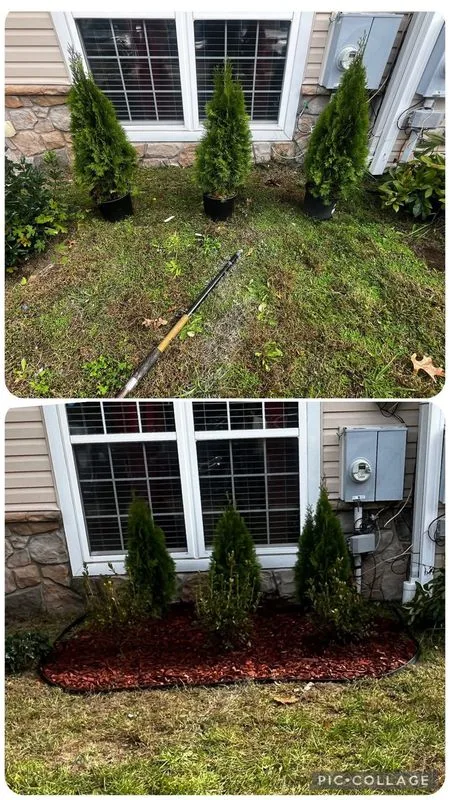
Flower beds read best against a clean backdrop. Crisp bed edges, trimmed shrubs, and a healthy lawn make the color pop; overgrown edges and a tired lawn make even the best planting look neglected. Edging the beds and refreshing the mulch line in early summer frames the flowers and keeps the turf from creeping in. If your beds need a fuller reset before the color goes in, our landscape design and bed installation team handles layout, soil prep, and planting as a single project.
For homeowners who would rather enjoy the summer than spend it hauling a hose, we fold seasonal flower-bed care into regular lawn and property maintenance visits across Atlantic County — watering checks, deadheading, edging, and midseason refreshes so the property stays sharp from June through the fall. You can see the full range on our landscaping services page.
Need Help With Your Property?
Sean Patrick Services handles lawn care, landscaping, drainage, cleanups, and outdoor improvements across Atlantic County, NJ. Call 609-783-5287 or get a free estimate online.