
Spring Cleanup Checklist for South Jersey Yards
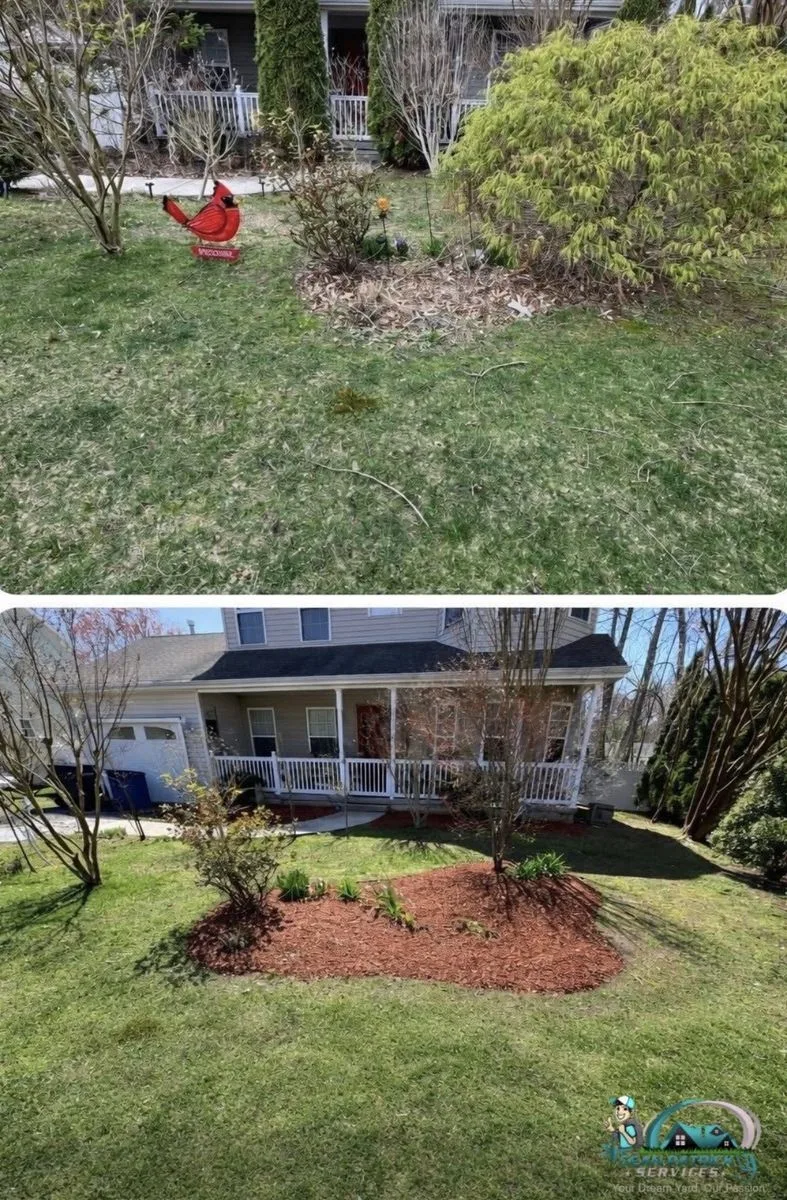
Spring in Atlantic County doesn't ease in gently. By mid-March the ground is thawing, oak leaves that held on all winter are finally dropping, and everything that got matted down under ice and wind since November is sitting on top of your turf. A yard left in that state heading into April is a yard that will fight you all season — compacted thatch, suffocated beds, and opportunistic weeds that germinate before you ever get a rake in your hand.
A thorough spring cleanup is less about aesthetics and more about resetting conditions. South Jersey's combination of sandy coastal soils, humid summers, and salt-wind exposure from the Shore means your lawn and beds are already working against longer odds than someone in the Midwest. Getting the cleanup done right in March and April — before the soil warms enough to trigger active growth — gives your grass and plants a real chance.
Why Does Timing Matter So Much for Spring Cleanups in South Jersey?
The window is tight. Cool-season grasses like the tall fescue common in Egg Harbor Township and Galloway lawns need to be uncovered and breathing before daytime temps consistently hit the upper 60s. Once soil temps rise above 55 degrees, crabgrass germination kicks in fast, and you want pre-emergent down before that happens — not while you're still clearing debris. If your lawn care program includes a pre-emergent application, the cleanup has to come first.
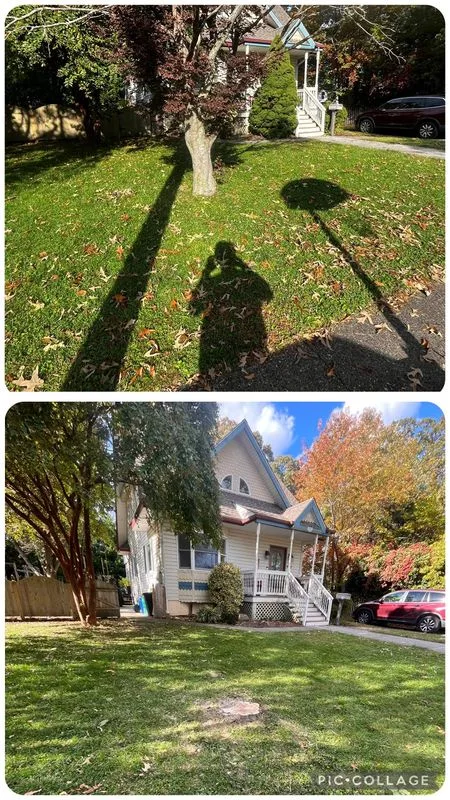
Late-dropping oaks compound the problem here specifically. White oaks in particular hold their dead leaves through winter, shedding them in waves from February into April. That means the typical fall cleanup, no matter how thorough — and you can check our fall cleanup checklist for reference — doesn't catch everything. Plan for a second pass in early spring specifically targeting oak leaf accumulation.
What Does Matted Leaf Debris Actually Do to Your Lawn?
Leaves that sat wet under snow pack down into a dense mat that blocks light, holds moisture against the crown of the grass, and creates ideal conditions for snow mold. Snow mold — specifically gray and pink varieties — shows up as circular patches of dead or tan grass when the snow melts. It's common in shaded areas of Linwood and Northfield properties with large oak or maple canopy. Light cases recover on their own once the mat is removed and air circulation returns. Heavy cases need overseeding.
Beyond disease, leaf mat smothers any grass that survived winter. Rake it off, bag it, and get it out. Don't just shred it in place in spring — that works as a fall technique, but in March you want it gone so the turf surface can dry out and firm up.
Does Your Lawn Need Dethatching in the Spring?
Light dethatching — not aggressive power raking — makes sense on a lot of South Jersey lawns in early spring. Thatch is the layer of dead stems, roots, and organic matter between the soil surface and the grass blades. A thin layer (under half an inch) is fine and actually protects the root zone. More than that and it starts blocking water and fertilizer from reaching the soil, and it harbors insects and fungal spores.
Sandy soils dethatch faster naturally than clay-heavy soils, so this is property-specific. Run your finger through the grass at the base — if you hit a spongy layer more than half an inch deep before you hit soil, a light dethatching pass is worth doing. If the lawn was aerated in the fall, you may be able to skip it. Either way, dethatch before you apply anything to the lawn, not after.
What Should You Do With Beds and Borders Before Mulching?
Beds need work before any mulch goes down, and skipping that step is one of the most common ways homeowners waste money on mulch. A thorough spring cleanup on beds covers:
- Cutting back perennials and ornamental grasses. Ornamental grasses should be cut hard — within 3 to 4 inches of the ground — before new growth emerges. Perennials that were left standing for winter interest get cut back now. If you see green growth already pushing up at the base, be careful not to damage it.
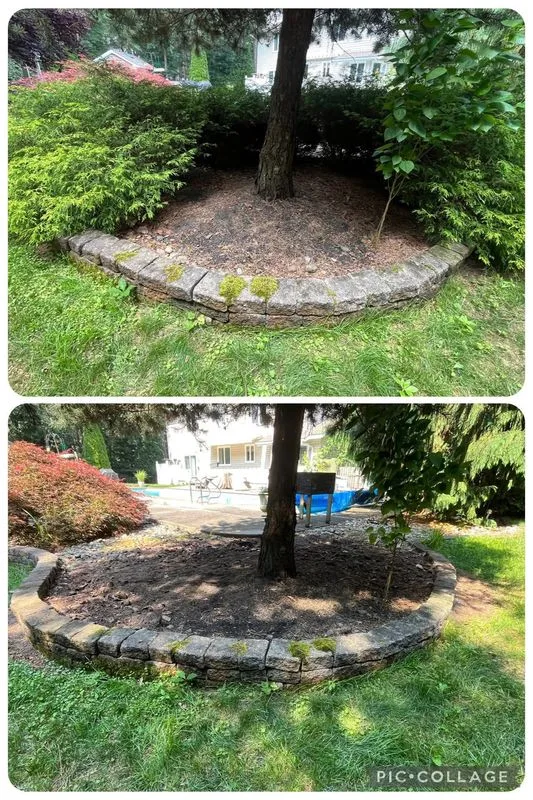
- Edging beds and walkways. A clean edge along bed borders and sidewalks is what separates a maintained property from a neglected one. Use a straight spade or a mechanical edger to redefine the line, not just trim it.
- Pulling early weeds. Chickweed, hairy bittercress, and henbit all germinate in cool weather and will be visible by late March. Pull them before they set seed.
- Clearing drains and low spots. Atlantic County properties — especially near the Shore towns and in low areas of Absecon — often have drainage challenges. Clear any debris from drainage channels, pop-up emitters, and low spots before the spring rain season hits.
Once the beds are cleared, edged, and free of early weeds, that's the right time to schedule your spring cleanup service or a mulch install. Mulching over weeds or unedged beds just locks problems in.
Which Shrubs and Trees Can You Prune in Spring — and Which Should You Leave Alone?
This is where a lot of homeowners make mistakes that cost them a year of blooms. The rule is simple: prune spring-blooming shrubs after they flower, not before. Forsythia, azaleas, rhododendrons, lilacs, and weigela all set their flower buds on last year's wood. If you prune them in March, you're cutting off this spring's blooms.
What you can prune in early spring without issue:
- Summer-blooming shrubs. Butterfly bush, crape myrtle, rose of Sharon, and panicle hydrangeas bloom on new wood and can be cut back in March.
- Dead, damaged, or crossing branches. Any tree or shrub, any time of year. Removing dead wood is always safe.
- Ornamental grasses. As noted above — cut these early before new growth pushes.
For larger trees, spring pruning is fine for structural work, but avoid heavy pruning on oaks in spring if oak wilt is a concern in your area. Wounds in warm weather attract beetles that carry the fungus.
When Does a Spring Cleanup Make More Sense to Hire Out Than Do Yourself?
If you're looking at a half-acre or more with significant oak canopy, multiple overgrown ornamental beds, or beds that haven't been edged and detailed in a few years, the time investment adds up fast. Most homeowners underestimate how long it takes to cut back a dozen ornamental grasses, edge 200 feet of bed border, rake out matted leaves, and haul everything away — before any mulch is applied.
Hiring a crew also gets it done in the narrow window before soil temps rise, which matters for timing pre-emergent and mulch applications. A cleanup done in late April is better than nothing, but a cleanup done in mid-March gives your lawn and beds a full head start on the season.
Need Help With Your Property?
Sean Patrick Services handles lawn care, landscaping, drainage, cleanups, and outdoor improvements across Atlantic County, NJ. Call 609-783-5287 or get a free estimate online.