
Sod vs. Seed: Getting a New Lawn Fast in South Jersey
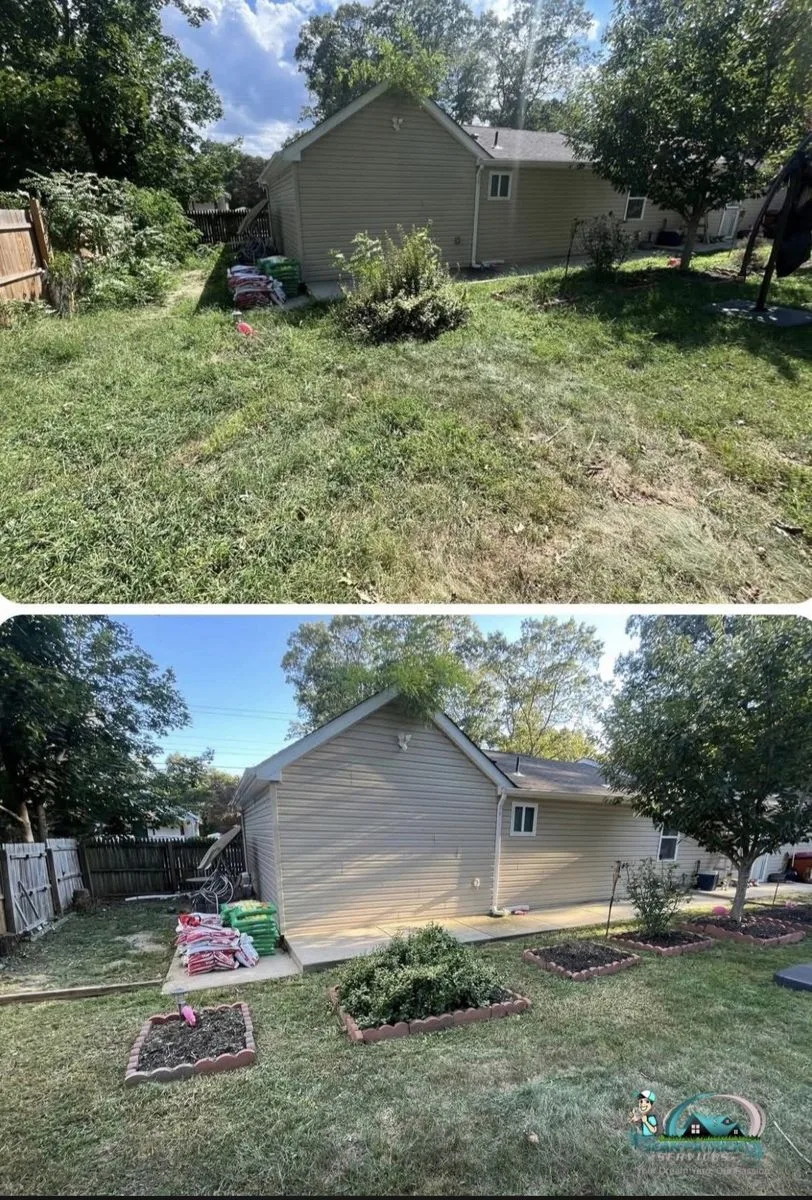
If your lawn is bare dirt, patchy beyond saving, or you just graded a new construction site in Egg Harbor Township, you have two real options: sod or seed. Both get you a lawn. They do not get you there the same way, and choosing the wrong one wastes time and money. Understanding the difference — and knowing which fits your situation — is the whole game.
Sean Patrick Services installs sod and handles full lawn restorations across Atlantic County. We get calls from homeowners who seeded three times and still have bare spots, and we get calls from homeowners who paid for sod and then lost half of it because nobody told them what to do the first two weeks. This post covers both honestly so you know what you're getting into before you spend a dollar.
What Is the Actual Difference Between Sod and Seed?
Seed is grass planted as seed. You spread it, it germinates, it grows — over six to twelve weeks under the right conditions. Sod is mature grass grown on a farm, harvested with a thin layer of soil attached, and rolled out on your prepared ground. You're buying a finished lawn and transplanting it.
The tradeoff is simple: seed is cheaper per square foot and gives you access to a wider range of grass varieties, including mixes tuned specifically for shade, drought tolerance, or heavy use. Sod costs more upfront but gives you an established, usable lawn in a day. If you need to keep kids or pets off for a recovery period, with seed that's weeks. With sod it's two to three weeks of careful watering and you're done.
When Does Sod Make More Sense Than Seed?
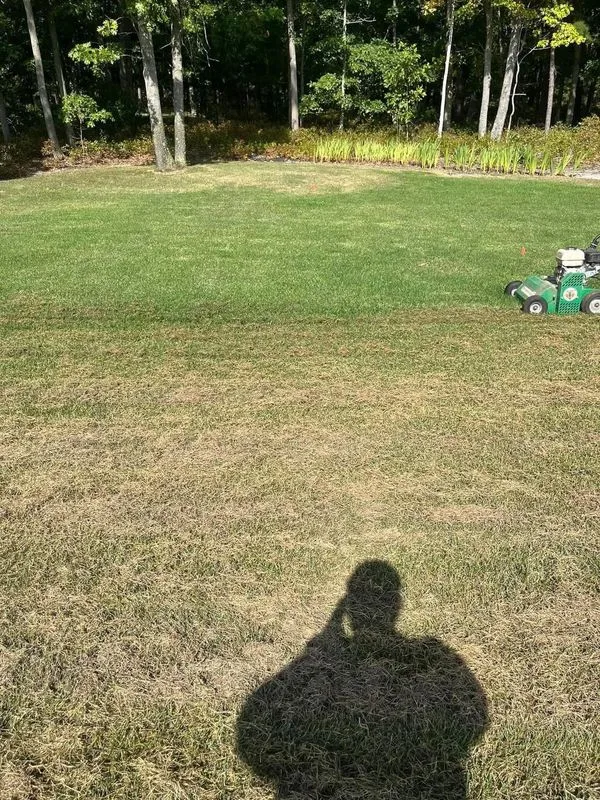
Sod is the right call in specific situations. If any of these match your property, seed is going to fight you the whole way.
- New construction. Builder lots in Galloway and Northfield often have compacted subsoil with little to no topsoil left. Sod roots through that faster than seedlings can establish, and it holds through the rain events we get here in the fall.
- Regraded or disturbed soil. After drainage work, utility installs, or heavy equipment traffic, the soil surface is loose and uneven. Sod holds it in place immediately. Seed washes away in the first hard rain.
- Slopes and erosion areas. Anything with a grade is a problem for seed — it moves before it can root. Sod pegs itself down within a week or two.
- High-traffic areas. Side yards, paths between the house and shed, areas kids cut across — seed never gets a chance to fully establish in heavy foot traffic zones. Sod can handle use sooner.
- Spots where seed keeps failing. If you've seeded an area two or three times and it keeps thinning out or dying, there's usually a reason — drainage, sun exposure, soil compaction. Sod won't fix the underlying cause, but it gives you something to work with while you figure it out. Seed will just fail again.
- Instant results needed. Selling the house, hosting an event, or the back yard looks embarrassing — sod is the only way to get there in a weekend.
When Does Seed Make More Sense?
Seed wins when you have time and the site conditions are cooperative. If you're overseeding a thin lawn rather than starting from scratch, seed — specifically overseeding into aerated soil — is far more cost-effective than laying sod over the entire yard. Seed also makes sense for large open areas with flat ground where erosion isn't a concern, and for homeowners who want to dial in a specific grass mix for their conditions.
In South Jersey, cool-season grasses like tall fescue and Kentucky bluegrass blends are standard. They establish best when seeded in late August through October — soil temperatures are still warm enough for germination, but the cooler air reduces heat stress on new seedlings. Spring seeding works but competes with crabgrass and annual weeds. If your timing puts you outside that fall window, sod becomes more practical.
What Happens If the Ground Prep Is Wrong?
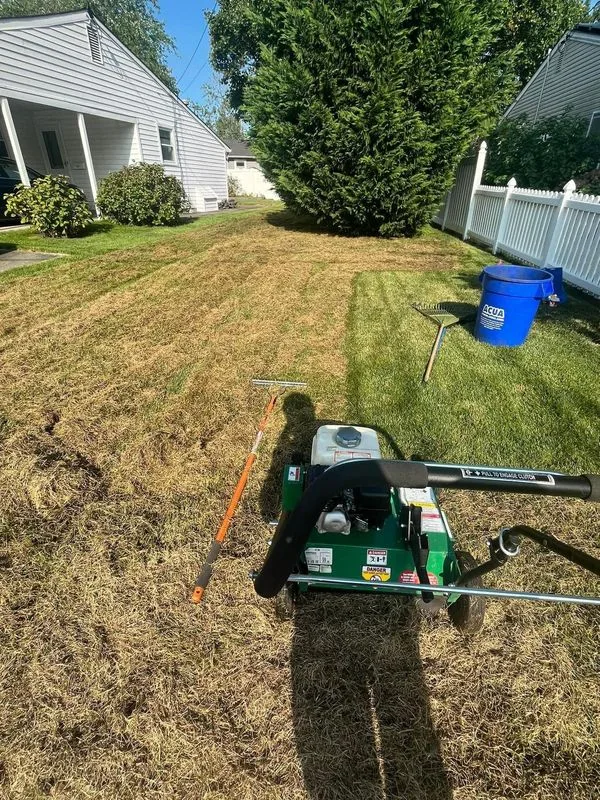
Ground prep is where sod installations fail. The sod itself is almost always fine — it's the base that kills it. Before any sod goes down, the ground needs to be graded so water drains away from the house, loosened to at least four inches of workable depth, and ideally topped with a layer of quality topsoil. The surface should be smooth and firm — not packed hard, not fluffy soft, but settled enough that the sod makes full contact across the whole roll.
If the ground is uneven, you get air pockets under the sod. Those sections dry out and die. If it's compacted subsoil with no topsoil layer, the sod's roots have nowhere to go. If the grade is wrong and water pools, the sod drowns. We see all of this on DIY installs and on jobs done by landscapers who skip the prep work to keep the price down. Good prep adds cost. It's not optional.
For areas with existing drainage problems — particularly common in Linwood and parts of Somers Point where the water table is shallow — the drainage issue should be addressed before any lawn work happens. A new lawn installed over a drainage problem is just a lawn that's going to fail.
How Do You Keep New Sod Alive the First Few Weeks?
New sod needs water — a lot of it, more than most homeowners expect. The first week, you're watering once or twice a day, enough to keep the soil under the sod moist to a depth of three to four inches. The goal is to keep the roots from drying out while they're anchoring into your soil. If the sod shrinks at the seams or the edges curl, it's drying out.
- Week one. Daily watering, sometimes twice daily in hot or windy weather. Check moisture by lifting a corner of one piece — the soil underneath should be damp, not muddy.
- Week two. Pull back to every other day as roots start to anchor. Start checking if the sod resists being lifted — that's the sign roots are taking hold.
- Week three and beyond. Transition to a normal deep-watering schedule, two to three times per week, rather than shallow daily watering. Deep watering pushes roots down. Shallow frequent watering keeps them near the surface where they're vulnerable.
- First mow. Wait until the sod is rooted well enough that it doesn't shift when you walk on it — usually three weeks minimum. Mow high the first few times. Don't bag — leave the clippings to break down.
Stay off the new sod as much as possible for the first two weeks. This includes dogs. Foot traffic and pet traffic on unrooted sod causes depressions and edge-lifting that look bad and create spots that fail to root properly.
What Does a Full Sod Installation Actually Include?
Our sod installation includes grading and leveling the area, amending the soil where needed, sourcing and delivering the sod, installation, and a walkthrough on the watering schedule so you're not guessing. We do not cut corners on prep — it's the part that determines whether you're calling us back in two months because half the lawn died.
For properties where sod is overkill — thin lawns, partial bare spots, large flat areas — we'll say so. Sometimes the right answer is a proper lawn care program with aeration and overseeding in the fall. We'll give you an honest read on which approach fits your property and your timeline before anything gets scheduled.
Need Help With Your Property?
Sean Patrick Services handles lawn care, landscaping, drainage, cleanups, and outdoor improvements across Atlantic County, NJ. Call 609-783-5287 or get a free estimate online.