The Complete Pressure Washing Guide for NJ Homeowners
Living in South Jersey means your home's exterior faces everything from humid summers and salt-laden coastal air to freezing winters and spring pollen storms. Over time, these conditions leave driveways stained, siding discolored, and decks looking worn. Pressure washing is one of the most effective ways to restore your property's appearance, protect surfaces from long-term damage, and boost curb appeal. But not every surface can handle the same treatment, and using the wrong technique can do more harm than good.
In this guide, we break down everything Atlantic County homeowners need to know about pressure washing — from which surfaces benefit most to whether you should tackle it yourself or bring in a professional.
Which Surfaces Can Be Pressure Washed?
One of the most common questions we hear from homeowners in Egg Harbor Township, Galloway, and Hammonton is: "Can I pressure wash that?" The short answer is that most exterior hard surfaces respond well to pressure washing, but each requires a different approach.
Concrete Driveways and Walkways
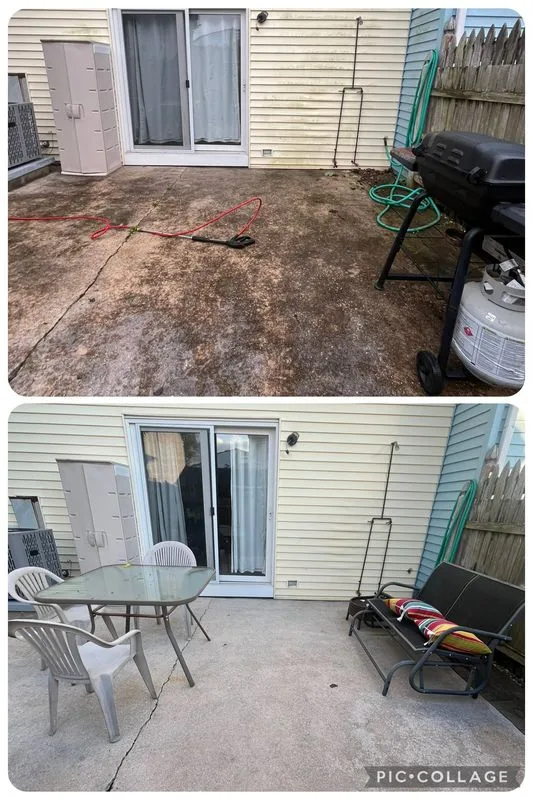
Concrete is the most forgiving surface for pressure washing and one of the most rewarding to clean. Oil stains, tire marks, mold, mildew, and ground-in dirt all respond well to high-pressure cleaning. Most concrete surfaces can handle 3,000 to 4,000 PSI, making them ideal candidates for standard pressure washing. For heavily stained driveways, a surface cleaner attachment provides the most even results and prevents striping.
Vinyl and Aluminum Siding
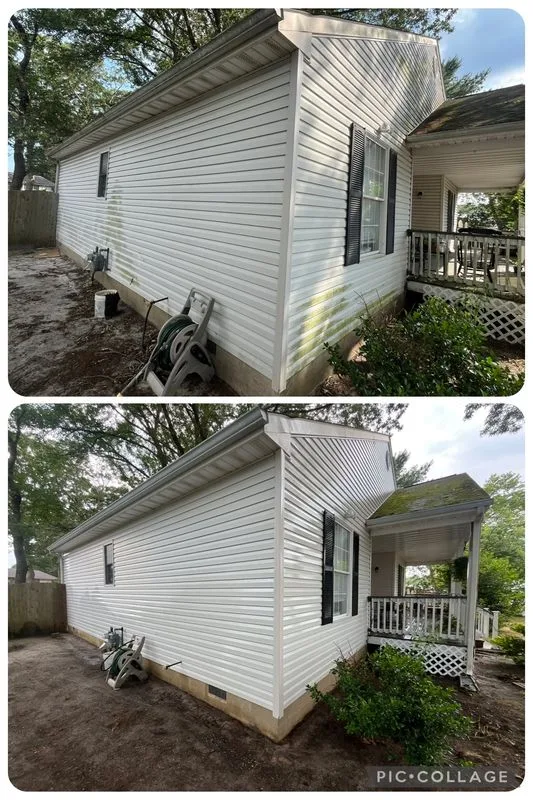
Your home's siding accumulates dirt, algae, and mildew year after year — especially on north-facing walls that receive less direct sunlight. Vinyl and aluminum siding can be pressure washed, but they require lower pressure settings (typically 1,200 to 1,500 PSI) to avoid cracking, denting, or forcing water behind the panels. In many cases, soft washing is actually the better approach for siding, which we cover in detail below.
Wood and Composite Decks
A deck that looks gray and weathered can often be restored to near-new condition with proper cleaning. However, wood decks require a careful hand. Too much pressure will splinter the wood, raise the grain, and create a rough surface that collects dirt even faster. We typically use 500 to 1,500 PSI on wood decks with a wide fan tip, keeping the nozzle at least 12 inches from the surface. Composite decking is somewhat more durable but still benefits from lower pressure settings to avoid surface damage.
Patios and Pavers
Brick, bluestone, and concrete pavers all clean up beautifully with pressure washing. The key consideration with pavers is the joint sand — high pressure can blast out the polymeric sand between pavers, which then needs to be replaced. A skilled operator adjusts the angle and pressure to clean the paver faces without disturbing the joints. After cleaning, re-sanding and sealing the pavers will keep them looking great and prevent weed growth for years.
Fences
Whether you have a wood privacy fence, vinyl fence, or chain-link fence, pressure washing can remove years of accumulated grime, algae, and weathering. Wood fences should be treated with the same care as decks — lower pressure and wider fan tips. Vinyl fences are more forgiving but still benefit from a moderate approach. Many homeowners in South Jersey choose to pressure wash their fences before staining or sealing them for the best adhesion and longest-lasting results.
Pressure Washing vs. Soft Washing: When to Use Each
These two terms often get used interchangeably, but they are fundamentally different cleaning methods. Understanding the distinction can save you from expensive surface damage.
What Is Pressure Washing?
Pressure washing relies on the mechanical force of high-pressure water — typically 2,000 to 4,000 PSI — to blast dirt, grime, and organic growth off surfaces. It is the go-to method for hard, durable surfaces like concrete driveways, sidewalks, and garage floors. The force of the water does the heavy lifting, and minimal or no cleaning chemicals are needed for most jobs.
What Is Soft Washing?
Soft washing uses low-pressure water (typically under 1,000 PSI) combined with specialized biodegradable cleaning solutions to kill and remove organic growth like algae, mold, mildew, and lichen. The cleaning agents do the work rather than water pressure. This makes it the safer choice for delicate surfaces that high pressure could damage.
Which Surfaces Get Which Treatment?
- Pressure washing (high pressure): Concrete driveways, sidewalks, garage floors, retaining walls, stone patios
- Soft washing (low pressure + chemicals): Vinyl siding, stucco, painted surfaces, roofing shingles, wood decks, wood fences, window frames
- Either method (depending on condition): Brick pavers, composite decking, aluminum siding
A common mistake homeowners make is renting a pressure washer from a hardware store and using full pressure on everything. This frequently results in damaged siding, etched concrete, splintered deck boards, and voided manufacturer warranties — especially on roofing shingles, where high pressure can strip the protective granules. When in doubt, start with the lowest effective pressure and work up gradually.
How Often Should You Pressure Wash Different Surfaces?
New Jersey's climate — with its hot, humid summers and cold, wet winters — creates ideal conditions for mold, mildew, and algae growth. Here are our recommended cleaning frequencies for Atlantic County properties:
- Concrete driveways and walkways: Once per year, ideally in spring before the growing season. Properties near wooded areas or with heavy shade may benefit from twice-yearly cleaning.
- House siding: Every 1 to 2 years. Homes near the coast or surrounded by trees may need annual cleaning due to salt spray and organic debris.
- Wood decks: Annually, followed by resealing or staining every 2 to 3 years. Cleaning in late spring allows the deck to dry thoroughly before summer entertaining season.
- Pavers and patios: Every 1 to 2 years, with polymeric sand replacement as needed after cleaning.
- Fences: Every 2 to 3 years, or as needed before restaining. Wood fences in shaded areas may require more frequent attention.
- Roofs (soft wash only): Every 3 to 5 years, or when dark streaks from algae become visible. Never use high pressure on roofing materials.
Regular cleaning on this schedule does more than improve curb appeal. It prevents the long-term buildup of organic growth that can degrade surfaces, cause wood rot, and lead to costly repairs. Think of it as preventive maintenance — the same way you would keep up with spring lawn care or summer lawn maintenance to protect your landscape investment.
DIY vs. Professional Pressure Washing: Pros and Cons
With rental pressure washers readily available at home improvement stores, many homeowners consider handling the job themselves. Here is an honest look at both sides.
Advantages of DIY Pressure Washing
- Lower upfront cost: Renting a pressure washer typically runs $50 to $100 per day, plus the cost of detergent and fuel.
- Flexibility: You can work on your own schedule and tackle small areas as needed.
- Immediate availability: No waiting for a contractor's schedule to open up.
Advantages of Hiring a Professional
- Proper equipment: Professional-grade machines produce consistent, adjustable pressure with hot water options that consumer rentals cannot match. Commercial surface cleaners, downstream injectors, and specialized nozzles make a visible difference in results.
- Surface knowledge: Professionals know exactly which PSI, nozzle, and technique to use for every surface, preventing costly damage to siding, decking, or masonry.
- Chemical expertise: Soft washing requires the right cleaning solutions at the correct dilution ratios. Professionals carry the appropriate detergents and surfactants for each situation, and they know how to protect surrounding plants and landscaping.
- Time savings: What takes a homeowner an entire weekend can typically be completed by a professional crew in a few hours.
- Insurance and liability: A licensed, insured company covers any accidental damage. If you damage your own siding or a neighbor's property while DIY-ing, that is on you.
- Consistent results: No streaking, no missed spots, no lap marks — professional operators deliver an even, thorough clean across every square foot.
When DIY Makes Sense
If you have a small concrete patio or a short section of walkway and you are comfortable operating power equipment, renting a machine for a quick clean can be cost-effective. Stick to flat concrete surfaces where the margin for error is lowest.
When to Call a Pro
For whole-house siding washes, multi-story homes, wood decks, roof cleaning, or any job involving delicate surfaces, hiring a professional is almost always the smarter investment. The cost difference between DIY and professional service is small when you factor in the risk of surface damage, and the results are noticeably better.
What Affects the Cost of Pressure Washing?
Pricing for professional pressure washing varies based on several factors. Understanding these will help you evaluate quotes and budget appropriately for your project.
- Square footage: The total area to be cleaned is the primary cost driver. Driveways, siding, and decks are typically priced per square foot or by the total size of the area.
- Surface type: Soft washing siding involves more preparation, chemical application, and rinsing steps than pressure washing a flat concrete surface, so it typically costs more per square foot.
- Level of buildup: A driveway that has not been cleaned in five years will take longer and require more effort than one maintained annually. Heavy staining, oil spots, or thick algae growth add to the time and materials needed.
- Accessibility: Second-story siding, steep driveways, and areas with limited water access may require additional equipment or setup time.
- Additional treatments: Sealing a driveway or deck after washing, applying mold-prevention treatments, or re-sanding paver joints are add-on services that increase the total cost but provide long-term value.
- Property location: Travel distance within our Atlantic County service area can be a minor factor, though we keep this impact minimal for local customers.
As a rough guideline, most homeowners in the Egg Harbor Township and Galloway area invest between $200 and $600 for a driveway cleaning and between $300 and $800 for a whole-house siding wash. Full property packages that include the driveway, walkways, siding, and deck offer the best value per square foot and are the most popular option among our customers.
Safety Precautions Every Homeowner Should Know
Whether you hire a professional or tackle the job yourself, pressure washing involves real safety considerations that should not be overlooked.
Personal Safety
- Never point the nozzle at yourself or others. A pressure washer at 3,000 PSI can cause deep tissue injuries, lacerations, and even broken bones at close range. This is not a garden hose.
- Wear closed-toe shoes, safety glasses, and hearing protection. Debris flies unpredictably during washing, and commercial machines are loud enough to cause hearing damage over extended use.
- Use caution on ladders. The kickback from a pressure wand can knock you off balance. Professionals use extension wands and lifts for elevated work rather than standing on ladders with a live pressure wand.
- Be mindful of electrical outlets, light fixtures, and junction boxes. Water and electricity are a dangerous combination. Cover or avoid spraying directly at any electrical components on your home's exterior.
Property Protection
- Close all windows and doors. High-pressure water will find any gap, and interior water damage is an expensive mistake.
- Cover or move plants near the work area. Pressure washing detergents, even biodegradable ones, can stress or damage vegetation if applied in high concentrations. Professional operators pre-wet landscaping and rinse it thoroughly after the job.
- Test in an inconspicuous area first. Before committing to a full clean, test your pressure and nozzle choice on a hidden section to make sure the surface responds well.
- Watch for lead paint. If your home was built before 1978, pressure washing can dislodge lead paint chips, creating a hazardous waste situation that requires special handling under EPA regulations.
- Mind the runoff. In New Jersey, it is important to prevent wash water containing chemicals or debris from flowing into storm drains, which discharge directly into local waterways. Professionals use containment and recovery methods when required.
The Best Time to Pressure Wash in New Jersey
While pressure washing can technically be done in any season when temperatures are above freezing, the ideal window for South Jersey homeowners is late spring through early fall — roughly April through October.
Spring is the most popular time because you are cleaning off the winter's accumulated grime, pollen, and debris right before the season when you spend the most time outdoors. A freshly washed driveway, clean siding, and restored deck make a dramatic difference for summer entertaining and overall curb appeal.
Fall is also an excellent time, particularly for homes surrounded by trees. Cleaning after the majority of leaves have fallen removes organic debris before it has a chance to break down on surfaces over the winter, which reduces staining and mold growth in the spring.
We do not recommend pressure washing when temperatures are expected to drop below freezing within 24 hours, as residual water on surfaces can freeze and cause cracking or expansion damage. During the winter months, our team focuses on winter services like snow removal and ice management to keep your property safe and accessible.
Need Help With Your Property?
Sean Patrick Services provides professional pressure washing and exterior cleaning across Atlantic County, NJ. Whether you need a driveway cleaned, siding washed, or a full property restoration, our experienced crew delivers results you can see from the street. Call us at 609-783-5287 or get a free estimate online.