
Best Native Plants for Landscaping in Atlantic City, NJ
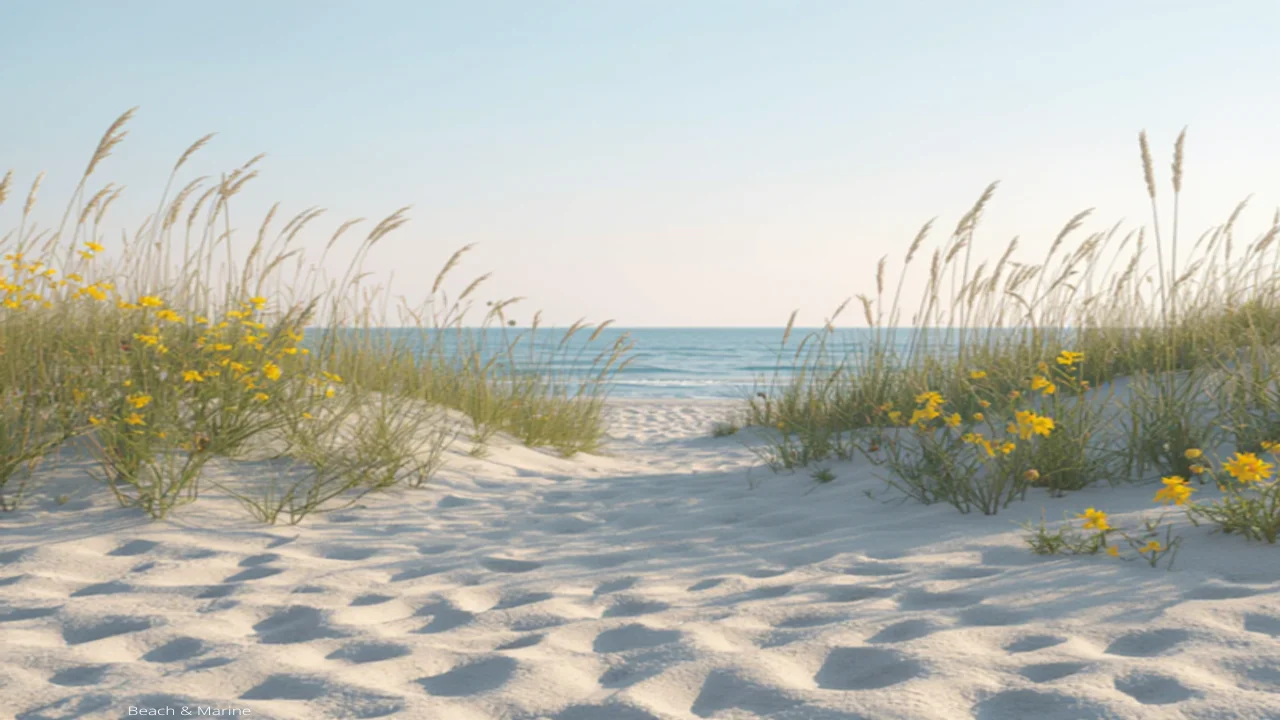
Let's be honest about what this island does to plants. The wind coming off the Atlantic shreds tender leaves. Salt mist coats everything within two blocks of the ocean. The soil, if you can call it that, is beach sand mixed with shell fragments and construction fill. After a coastal storm, back bay neighborhoods in Chelsea Heights and along the inlet can sit in six inches of salt water. And then the sun dries everything out like a kiln.
You already know this if you live in Atlantic City. You have watched boxwoods brown out by July. You have replaced Japanese hollies that looked fine in May and were dead by October. You have seen the azaleas your landscaper promised would work turn crispy after their first nor'easter. The island wins every time.
Unless you plant what actually belongs here.
The Island Has Already Solved This Problem
Before the Boardwalk, before the casinos, before Absecon Island was Absecon Island, native plants held this sand together. They anchored the dunes. They filtered the salt. They fed the migrating shorebirds and monarch butterflies that still pass through every fall. These species did not just tolerate the barrier island. They evolved specifically because of it. Their leaves are thick or waxy to repel salt. Their stems flex in gale-force wind instead of snapping. Their roots drive deep into pure sand to reach moisture that imported shrubs never find.
When you landscape with Atlantic City's native plants, you are not settling for less. You are choosing the only species genuinely designed to look good in this environment, and they will do it with a fraction of the water, fertilizer, and replacement cost of anything shipped in from a mainland nursery.
The Oceanside Challenge: Boardwalk to Pacific Avenue
Properties within three or four blocks of the beach catch the worst of it. Direct salt spray. Unbroken wind off the water. Sand that bakes in summer and scours in winter storms. This is the harshest residential growing environment in all of Atlantic County, and only a handful of native species truly thrive here without complaint.
American Beach Grass (Ammophila breviligulata) is the foundation plant for any oceanside property. It is what holds the dunes together on every undeveloped stretch of coast from here to Cape May. On a residential lot, beach grass works along property edges, in raised planters, flanking walkways, or filling strips between the sidewalk and the street where turf grass will never survive. Two to three feet tall, golden seed heads catching the wind, spreading by underground runners to form a dense, erosion-proof colony. It requires nothing: no water, no fertilizer, no soil amendment. Pure sand and full sun are all it asks.
Next to the beach grass, Eastern Prickly Pear Cactus (Opuntia humifusa) shocks everyone who sees it. A cactus. In New Jersey. But it is as native as the horseshoe crabs on the beach. This low-growing succulent, barely six inches tall, produces showy yellow flowers in June and red-purple edible fruit in late summer. It thrives in the hottest, driest, saltiest microsites on the island: south-facing foundation beds, raised stone planters, gaps in concrete, anywhere that other plants would cook. Plant it and forget it. It overwinters in Atlantic City without any protection.
Seaside Goldenrod (Solidago sempervirens) fills the gap between summer's heat and fall's first frost. Bright yellow flower plumes from August into October provide the last major nectar source for migrating monarchs along the coast. It grows two to four feet tall with fleshy, succulent-like leaves that laugh at salt spray. The critical detail: do not amend the soil. Seaside goldenrod grows lanky and falls over in rich ground. The starved, shell-fragment sand of an Atlantic City lot produces the stockiest, most floriferous plants.
The Back Bay Reality: Inlet to Gardner's Basin
Flip the island around and the challenges shift. Bayside properties along the inlet, in the neighborhoods near Gardner's Basin, and throughout the lower Ducktown blocks face less direct ocean wind but deal with something mainland gardeners never encounter: periodic tidal flooding with brackish water. After a strong southeast blow or a full moon high tide, some of these yards sit in standing salt water for hours. Any plant that cannot handle intermittent saltwater submersion is going to fail.
Groundsel Tree (Baccharis halimifolia) owns the back bay. Walk the edge of any marsh in Atlantic County and its silvery-green foliage is everywhere. In October, the white cottony seed heads catch the light like snow. It grows six to twelve feet tall, establishes fast, and handles salt exposure that would kill virtually any imported landscape shrub. For bayside properties that need screening or wind protection, groundsel tree fills in within two to three seasons. Plant it in naturalistic groupings along your back lot line and it will mirror the marsh landscape just beyond your property.
Saltmeadow Hay (Spartina patens) is the grass of the high marsh, the species that forms those distinctive swirling cowlick patterns you see from the Route 30 bridges heading onto the island. In a residential setting, it works in rain gardens, low planting areas, and anywhere that periodically floods with brackish water. One to three feet tall, fine-textured, and tolerant of salt concentrations that no lawn grass can survive. If you have a low corner that takes on water during storms, saltmeadow hay is the answer, not more fill dirt and sod that will die again next storm.
The Sheltered Pockets: Ducktown, Chelsea Heights, and Mid-Island
Between the ocean exposure and the back bay flooding, there are blocks in Atlantic City where buildings create enough shelter that you can grow a slightly wider range of native species. The row homes of Ducktown, the residential streets around Chelsea Heights, and the mid-island blocks between Atlantic and Pacific Avenues offer protected courtyards, walled gardens, and leeward foundation beds where the wind drops and the salt spray diminishes.
These sheltered spots open the door for Beach Plum (Prunus maritima). Four to eight feet tall with a sculpted, windswept form even when the wind is not blowing. White flowers smother it in spring before a single leaf opens. By August, the branches hang with dark purple plums that have been turned into jam by Jersey Shore families for generations. Beach plum needs full sun, sharp drainage, and cross-pollination, so plant at least three. Tuck them into a south-facing courtyard or along a protected fence line in Chelsea Heights and you will be harvesting fruit while your neighbors are replacing their dead hydrangeas.
Wax Myrtle (Morella cerifera) is the screening shrub for these protected zones. Semi-evergreen through most Atlantic City winters, aromatic olive-green foliage, growing 10 to 15 feet tall with the ability to be shaped into a dense hedge. It handles salt air, but performs best with some wind shelter from buildings or fences. Along a south-facing patio wall or between row homes, wax myrtle creates a year-round green backdrop that makes the entire property feel more private and more finished.
Where you have a bit more room, Coastal Switchgrass (Panicum virgatum) is the native grass that does what ornamental miscanthus promises but rarely delivers on the island. Three to five feet tall, upright through summer, golden-bronze all winter, holding its structure and color in wind that shreds miscanthus by February. The coastal ecotype naturally grows in the back-dune grasslands and maritime edges of New Jersey's barrier islands. Use it as a living screen between adjacent properties, a replacement for lawn in sandy side yards, or a backdrop for lower perennials. It pairs beautifully with seaside goldenrod for a planting bed that performs from June through the following March with zero intervention.
How to Actually Get Plants Established Here
Choosing the right native species is half the equation. Getting them rooted on a barrier island requires technique that differs from mainland planting in several critical ways.
Timing is everything. Late October through November and March through mid-April are your windows. Summer planting on the island is nearly suicidal for transplants. The heat-salt-wind combination overwhelms new root systems before they can establish. Fall-planted natives get a full cool season to anchor before their first summer.
Forget bark mulch. It blows down the street. On the island, use pea gravel, crushed oyster shell, or smooth beach stone as mulch. These materials stay put in 40 mph gusts, reflect heat for warmth-loving species, and complement the coastal look of native plantings. Crushed shell also adds the calcium that barrier island natives expect, unlike pine bark that acidifies soil these plants do not want acidified.
Build windbreaks with plants, not fences. A solid fence creates turbulence on the leeward side that damages plants worse than open wind. Instead, put your tallest, toughest species -- wax myrtle, groundsel tree, coastal switchgrass -- on the windward edge of your property. They filter the wind gradually, creating a calmer zone behind them where beach plum, goldenrod, and other species can thrive. This layered approach mimics natural dune-to-maritime-forest succession, and it works.
Raise your beds on flood-prone properties. If your lot takes on water during storms, build raised planting beds 12 to 18 inches above grade using native sand and shell mix. Put flood-tolerant species like groundsel tree and saltmeadow hay at ground level, and plant everything else in the raised areas. This simple design move protects your investment against the next nor'easter. For more storm-season preparation, see our summer maintenance guide for Atlantic County.
We Landscape on the Island
Most landscapers treat Atlantic City like the mainland with extra salt. That approach fails. Barrier island landscape design requires understanding wind engineering, salt gradients, flood zones, and the specific microclimates created by building orientation and block density. We have installed native landscapes on Boardwalk-adjacent properties, bayside homes near the inlet, Ducktown courtyards, and Chelsea Heights row home gardens. Each one required a different approach, and each one succeeded because we matched the plant to the exact conditions of that specific site.
Sean Patrick Services sources coastal-ecotype native plants from specialized growers who propagate from barrier island and salt marsh seed stock, not generic inland cultivars that share a name but lack the salt tolerance of true coastal genetics. We handle ongoing seasonal care for Atlantic City properties as well: spring cutbacks, gravel mulch top-ups, storm damage assessment, and winter preparation.
The mainland is a different world. If you want to see how native plant recommendations change once you cross the bay, read our guides for Galloway and Egg Harbor Township where Pine Barrens sand and fresh water replace salt and wind as the defining forces.
Need Help With Your Property?
Sean Patrick Services provides professional lawn care and landscaping across Atlantic County, NJ. From native plant installations and landscape design to weekly mowing and seasonal cleanups, we handle it all so you can enjoy your yard without the work. Call us at 609-783-5287 or get a free estimate online.