
Winter Snow Removal Tips for South Jersey Properties
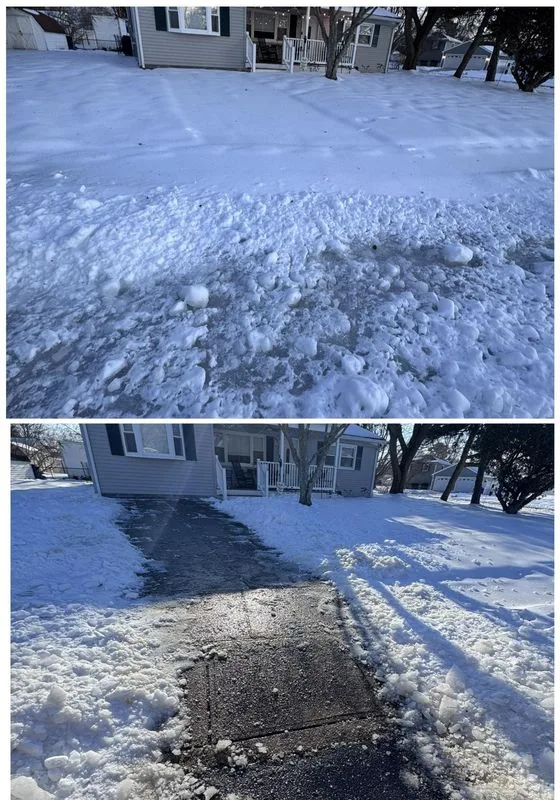
Winter in South Jersey does not always bring the heavy snowfalls that the northern part of the state sees, but when a storm does hit the Atlantic County area, it can create serious problems for homeowners and business owners who are not prepared. Ice storms, nor'easters, and even moderate snowfalls of three to six inches can shut down roads, create dangerous walking surfaces, and cause property damage if snow and ice are not managed properly.
Whether you handle your own snow removal or rely on a professional winter services provider, understanding the best practices for snow and ice management will help you keep your property safe, protect your landscaping, and avoid costly repairs. Here is everything South Jersey property owners need to know about dealing with winter weather.
When to Call a Professional vs. DIY Snow Removal
Not every snowfall requires a professional crew. A light dusting of an inch or two on a small residential driveway is easy enough to handle with a good snow shovel and some ice melt. But there are clear situations where professional snow removal is the smarter, safer choice.
Consider hiring a professional when:
- Snowfall exceeds four inches. Once accumulation reaches this level, shoveling a full driveway, walkways, and sidewalks becomes a serious physical workout. Snow shoveling is one of the leading causes of heart attacks during winter months, particularly for people over 45 or those who are not regularly physically active.
- Ice is the primary concern. Freezing rain and ice storms are more common in South Jersey than heavy snow, and they create conditions that are far more dangerous than a few inches of powder. Professional crews have the equipment and products to treat ice effectively.
- You have a long driveway or large property. Many homes in Galloway, Hammonton, and the surrounding areas sit on lots of an acre or more, with driveways that can stretch several hundred feet. Shoveling that by hand is impractical.
- You own commercial property. Businesses have a legal obligation to maintain safe access for customers and employees. A professional snow removal contract ensures your parking lot, sidewalks, and entrances are cleared and treated promptly after every storm.
- Timing matters. If you need to get to work early or have a medical appointment, waiting to shovel yourself might not be an option. Professional crews start working during the storm so that your property is clear by the time you need to leave.
- You have physical limitations. Shoveling is strenuous, repetitive work. If you have back problems, heart conditions, or any other health concerns, hiring a professional is not a luxury -- it is a safety decision.
DIY snow removal makes sense when:
- Accumulation is light (under three inches) and your driveway and walkways are modest in size.
- The snow is dry and fluffy rather than wet and heavy. South Jersey's proximity to the coast means we often get wetter, heavier snow that is much harder to shovel than the dry powder that falls farther inland.
- You are in good physical condition and have the right equipment.
- You can get to it promptly -- before the snow gets packed down by foot traffic or compacted by vehicles driving over it.
Choosing the Right De-Icing Products
Not all ice melt products are created equal, and using the wrong one can damage your concrete, kill your grass, harm your pets, and corrode your vehicles. Understanding the differences between common de-icing products helps you make a choice that keeps your property safe without causing collateral damage.
Rock salt (sodium chloride):
- The most affordable and widely available option.
- Effective down to about 15 degrees Fahrenheit. Below that temperature, it stops working.
- Highly corrosive to concrete, metal, and vehicles. Will damage concrete driveways and sidewalks over time, especially newer concrete that has not fully cured.
- Toxic to plants and grass. Salt runoff into your lawn and garden beds will burn root systems and can make soil inhospitable to plants for years.
- Harmful to pets. Salt crystals can irritate and crack the pads of dogs' paws, and ingestion can cause gastrointestinal problems.
Calcium chloride:
- Works at much lower temperatures -- effective down to minus 25 degrees Fahrenheit.
- Melts ice faster than rock salt.
- Less damaging to concrete than sodium chloride, but still corrosive over time.
- More expensive than rock salt, typically two to three times the price.
- Can still damage vegetation and irritate pet paws, though generally less harmful than rock salt.
Magnesium chloride:
- Effective down to about 5 degrees Fahrenheit.
- Considered the least damaging chloride-based deicer for concrete and vegetation.
- Safer for pets than sodium chloride or calcium chloride.
- More expensive than rock salt but generally more affordable than calcium chloride.
- A good middle-ground option for residential use.
Calcium magnesium acetate (CMA):
- The most environmentally friendly chemical deicer available.
- Will not damage concrete, vegetation, or metal.
- Safe for pets and wildlife.
- Effective down to about 20 degrees Fahrenheit.
- Significantly more expensive than salt-based products -- often five to ten times the cost.
- Works more slowly than chloride-based products.
Sand and kitty litter:
- These do not melt ice at all -- they provide traction on slippery surfaces.
- No chemical damage to concrete, plants, or pets.
- Can clog drains and create a mess that needs cleanup in spring.
- Useful as a supplement to chemical deicers, especially on slopes and high-traffic areas.
For most South Jersey homeowners, magnesium chloride offers the best balance of effectiveness, affordability, and safety. Apply it sparingly -- more is not better. A thin, even application is far more effective than dumping piles of ice melt on your walkway. One pound of product per 250 square feet is a good rule of thumb for most conditions.
Sidewalk and Driveway Clearing Techniques
How you remove snow matters just as much as whether you remove it. Poor technique leads to injuries, incomplete clearing, and damage to your property. Here are the best practices for keeping your walkways and driveways clear and safe.
Shoveling tips:
- Start early and shovel often. It is far easier to shovel three inches twice than six inches once. If a storm is expected to drop significant accumulation, go out partway through and clear what has fallen so far.
- Push, do not lift. Whenever possible, push snow to the side rather than lifting and throwing it. When you do need to lift, bend at the knees and use your legs, not your back. Keep the shovel blade close to your body.
- Use an ergonomic shovel. A shovel with a curved handle reduces the amount of bending required. Lightweight plastic blades are easier on your body than heavy metal ones for routine clearing.
- Take breaks. Shovel for 10 to 15 minutes, then rest. Drink water. Cold air masks how hard your body is working, and dehydration is a real risk during strenuous winter activity.
- Clear a path wider than you think you need. Snow banks shrink your usable walkway width over the course of the winter as additional storms pile more snow on the edges. Start with a wide path so you still have adequate clearance after multiple storms.
Snow blower tips:
- Adjust the height setting to avoid scraping your driveway surface. Running a snow blower too low on asphalt or pavers can damage the surface and throw debris.
- Work with the wind. Pay attention to wind direction and throw snow downwind whenever possible. Fighting the wind means snow blows right back onto the area you just cleared.
- Overlap your passes slightly to avoid leaving thin strips of snow that will compact and turn to ice.
- Never put your hand in the auger or chute. If the blower clogs, turn it off and use a stick or broom handle to clear the blockage. More hand and finger injuries occur from snow blower augers than almost any other piece of winter equipment.
After clearing:
- Apply ice melt to the cleared surface before the next freeze cycle. Even after shoveling, a thin film of moisture remains that will freeze overnight into a dangerous glaze of black ice.
- Pay special attention to shaded areas. The north side of your house, areas under tree canopy, and covered porches stay frozen long after sunny areas have melted.
- Clear around fire hydrants, mailboxes, and utility meters. Emergency responders and service workers need access to these, and in many municipalities you are legally responsible for keeping the hydrant nearest your property accessible.
Preventing Ice Dams on Your Roof
Ice dams are one of the most damaging winter problems for South Jersey homes, and they are often misunderstood. An ice dam forms when heat escaping from your attic melts snow on the upper portion of your roof. That meltwater runs down to the eaves, where the roof surface is colder (because it extends beyond the heated interior of the house), and refreezes into a ridge of ice. As more water backs up behind this ice ridge, it can seep under your shingles and leak into your walls and ceilings.
Signs you have an ice dam problem:
- Large icicles hanging from your gutters or eaves.
- Ice buildup along the edge of your roof.
- Water stains on interior ceilings or walls near exterior walls, especially after a thaw.
- Gutters pulling away from the fascia under the weight of ice.
How to prevent ice dams:
- Improve attic insulation. The primary cause of ice dams is heat loss from the living space into the attic. Adding insulation to the attic floor keeps heat where it belongs -- inside your home -- and keeps the roof surface uniformly cold.
- Ensure proper attic ventilation. Ridge vents, soffit vents, and gable vents allow cold air to circulate through the attic, keeping the roof deck cold and preventing uneven snowmelt.
- Seal air leaks. Gaps around light fixtures, plumbing stacks, attic hatches, and ductwork allow warm air to escape into the attic. Sealing these leaks is one of the most effective ways to prevent ice dams.
- Keep gutters clean. Clogged gutters exacerbate ice dam problems by preventing meltwater from draining off the roof. Making sure your gutters are clean before winter -- as part of your fall cleanup routine -- is essential.
- Use a roof rake after heavy snowfalls. A roof rake lets you pull snow off the lower three to four feet of your roof from ground level, eliminating the material that feeds ice dam formation. Use a plastic or rubber-edged rake to avoid damaging shingles.
If you already have an ice dam causing water intrusion, do not try to chip it off with a hammer or ice pick -- you will damage your roof. Calcium chloride ice melt placed in a nylon stocking and laid across the dam can slowly melt a channel for water to drain. For severe cases, call a professional who specializes in ice dam removal using steam.
Protecting Your Landscaping From Salt Damage
One of the most overlooked consequences of winter snow removal is the damage that de-icing products cause to lawns, shrubs, and trees. Salt damage does not always show up immediately -- it often appears in spring as brown, dead patches in your grass, scorched leaf edges on evergreen shrubs, or trees that fail to leaf out properly.
How salt damages plants:
- Soil contamination. Chloride salts dissolve in snowmelt and soak into the soil around your walkways and driveways. High salt concentration in the soil draws moisture out of plant roots through osmosis, effectively dehydrating them even when the soil is wet.
- Direct contact. Salt spray from passing vehicles or snow thrown by plows can coat the foliage of evergreen plants along roads and driveways, desiccating the needles or leaves.
- Soil structure damage. Sodium in rock salt breaks down soil structure, making it compacted and poorly drained. This affects plant health for years after the salt exposure.
How to protect your landscaping:
- Use the minimum amount of deicer necessary. Over-application is the single biggest cause of salt damage to landscaping. Apply only what you need for safe walking conditions.
- Choose plant-safe products. Magnesium chloride and calcium magnesium acetate are far less damaging to vegetation than rock salt. The extra cost is worth it if you have valuable landscaping near treated areas.
- Create physical barriers. Burlap screens wrapped around evergreen shrubs near the road or driveway block salt spray from reaching foliage. This is especially important for boxwoods, arborvitae, and rhododendrons, which are highly sensitive to salt.
- Redirect snow piles away from plantings. When shoveling or plowing, pile salt-laden snow in areas away from garden beds, tree root zones, and lawns. Avoid piling it where meltwater will drain toward your landscaping.
- Flush the soil in early spring. Once the ground thaws, water heavily around areas where salt was applied. Deep watering helps flush accumulated salts below the root zone. This is one of the most effective recovery steps you can take.
- Apply gypsum to salt-affected areas. Gypsum (calcium sulfate) helps displace sodium ions in the soil and improve soil structure. Spread it over affected areas in early spring and water it in thoroughly.
If you are planning new landscaping along your driveway or near the street, choose salt-tolerant species. Daylilies, junipers, rugosa roses, and ornamental grasses are all good choices that hold up well to moderate salt exposure. Your spring pressure washing can also help remove salt residue from hardscapes before it migrates further into your landscape.
Commercial Property Snow Removal Considerations
If you own or manage a commercial property in Atlantic County, snow and ice management is not just about convenience -- it is a matter of legal liability and business continuity. A customer who slips on an icy sidewalk outside your business can result in a lawsuit that costs far more than an entire season of professional snow removal.
Key considerations for commercial properties:
- Have a snow removal contract in place before winter. Do not wait for the first storm to start looking for a contractor. Reputable snow removal companies book their routes in October and November. Once their capacity is full, they stop taking new clients. A seasonal contract guarantees priority service when storms hit.
- Define trigger depths. Your contract should specify when service begins. Most commercial contracts use a two-inch trigger -- meaning the crew begins clearing once accumulation reaches two inches. For high-traffic businesses like medical offices or retail stores, a one-inch trigger or even a zero-tolerance policy (any accumulation is treated immediately) may be appropriate.
- Specify service areas clearly. Your contract should include a site map marking every area that needs to be plowed, shoveled, or treated: parking lots, driving lanes, sidewalks, entrances, loading docks, dumpster access areas, and fire lanes.
- Require anti-icing and de-icing. Plowing alone is not sufficient for commercial properties. Pre-treatment (anti-icing) before storms and post-treatment (de-icing) after plowing reduces ice formation and keeps surfaces safer between service visits.
- Document everything. Keep records of every storm event, when service was performed, and the condition of your property afterward. Timestamped photos are especially valuable. If a slip-and-fall claim is ever filed, this documentation is your best defense.
- Ensure ADA compliance. Accessible parking spaces, curb ramps, and building entrances must be cleared and maintained to the same standard as all other areas. Snow cannot be piled in accessible spaces or block access ramps.
Sean Patrick Services provides commercial snow removal and ice management for businesses throughout Atlantic County. Our commercial clients receive priority service, detailed documentation, and the peace of mind that comes from knowing their property will be safe and accessible no matter what winter throws at us.
Building Your Winter Preparedness Plan
The best time to prepare for winter storms is before the first flake falls. A solid preparedness plan saves time, reduces stress, and prevents the scramble that happens when a storm arrives unexpectedly. Here is how to get your property and your household ready for whatever winter brings to South Jersey.
Equipment and supplies to have on hand:
- A sturdy snow shovel (consider keeping one by every exterior door you use regularly).
- Fifty to one hundred pounds of your preferred ice melt product, stored in a dry location.
- Sand or kitty litter for extra traction on steep areas.
- A roof rake if your home is prone to ice dam formation.
- Windshield scraper and a bag of cat litter in your vehicle for emergency traction.
- Flashlights and batteries in case of power outages during winter storms.
Before each storm:
- Move vehicles off the driveway if you expect professional plowing, so the crew can clear the entire surface.
- Raise your snow stakes or driveway markers if you have not already installed them. These guide plow operators and prevent them from driving onto your lawn or garden beds.
- Pre-treat walkways and steps with a light application of ice melt. This prevents snow from bonding to the surface and makes post-storm clearing much easier.
- Check that your sump pump is working if your home has one. Winter storms often bring rain mixed with snow, and rapid snowmelt can overwhelm drainage systems.
- Clear any remaining debris from storm drains near your property. Drainage is critical during winter precipitation events.
After each storm:
- Clear snow from all walkways, steps, and the driveway as soon as possible after the storm ends.
- Check for and address any ice accumulation, especially on north-facing surfaces and in shaded areas.
- Clear snow away from your foundation. Snow piled against the house can melt and seep into your basement.
- Inspect your roof for signs of ice dam formation, especially after storms with mixed precipitation.
- Check on elderly neighbors. Winter storms can be isolating and dangerous for people who live alone or have limited mobility.
South Jersey winters are unpredictable. Some years we barely see accumulating snow; other years a single nor'easter drops over a foot in one event. Having a plan and the right resources in place means you are ready for anything, whether it is a light dusting or a major storm.
Need Help With Your Property?
Sean Patrick Services provides professional snow removal and winter services across Atlantic County, NJ. From residential driveway clearing to full commercial snow management contracts, we keep your property safe and accessible all winter long. Call us at 609-783-5287 or get a free estimate online.