
Storm Cleanup and Tree Safety Before Hurricane Season
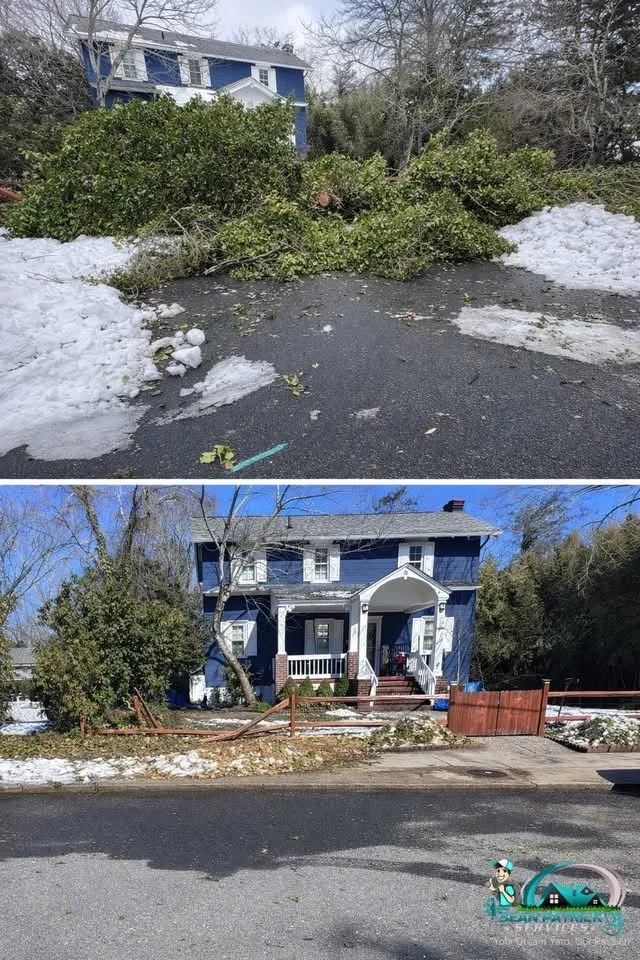
Atlantic County gets hit from two directions. Summer and early fall bring tropical systems tracking up the coast, and once hurricane season winds down, nor'easters pick up where they left off — sometimes through April. Properties in Egg Harbor Township, Galloway, Absecon, and right along the barrier islands are fully exposed. There's no mountain range buffering anything. What's standing in your yard in June is going to face some version of 70-mph gusts before the year is out.
The single best thing you can do before a storm rolls in is deal with your trees now, while the weather is calm and you have time to be deliberate about it. Post-storm emergency calls cost more, take longer to schedule, and often happen under dangerous conditions. A pre-season inspection and cleanup is cheaper, faster, and keeps your family and property out of harm's way.
What Does a Pre-Season Tree Inspection Actually Look For?
A proper inspection isn't a quick glance from the driveway. You need to look at each tree from the ground up — crown, trunk, root zone, and what's underneath it. These are the things that matter most heading into storm season:
- Dead or hanging limbs. Widowmakers are exactly what the name sounds like. A limb that's already dead doesn't need wind to fall — it can drop on a calm day. Add storm force and it becomes a missile.
- Leaning trunks. A tree that's developed a lean toward your house, driveway, or power lines is a priority. Lean that wasn't there last year is especially concerning — it can signal root failure.
- Crossing and rubbing branches. Where two branches rub against each other, one eventually loses. That wound stays open, invites disease and rot, and weakens the branch over time.
- Limbs over the structure. Any branch directly over your roof, HVAC equipment, or power drop to the house needs to be evaluated. During a storm, the question isn't whether it will move — it's whether it will snap.
- Signs of rot or fungal growth. Mushrooms at the base of a tree, soft wood at the trunk, or cracks in the bark can mean internal decay that's invisible from the outside. A tree can look healthy and still be structurally compromised.
- Root zone disturbance. Heaving soil, exposed roots, or recent nearby excavation can destabilize a tree's footing well before any outward signs show up in the canopy.
Which Trees and Limbs Should Come Down Before Storm Season?
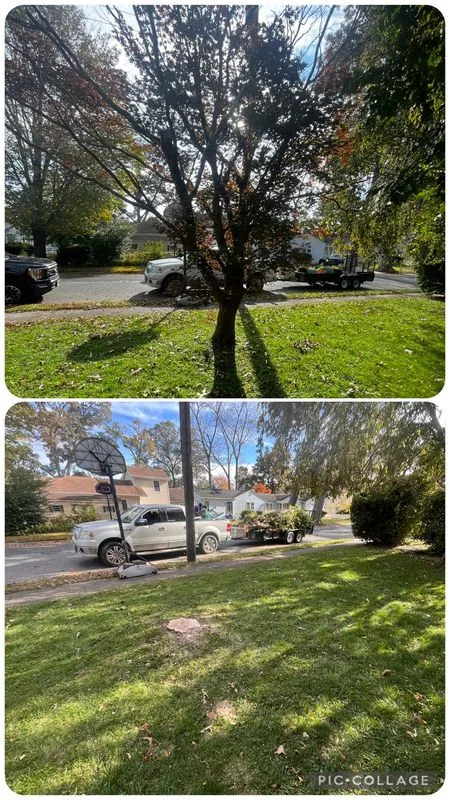
Not every imperfect tree needs to come out. The goal is to remove the specific threats — dead wood, structurally compromised limbs, and trees that are already failing. Dead limbs should always come down, period. A limb over a roof or driveway with any signs of weakness gets removed before it falls on its own terms.
Trees with significant trunk lean toward a structure, trees showing advanced rot, and any tree where the root system looks compromised are candidates for full removal. This is not the place to gamble. If a tree comes down in a storm, you're looking at roof damage, crushed vehicles, or downed power lines in addition to the tree removal itself. The calculus is simple: remove it now on your schedule, or deal with the aftermath on the storm's schedule.
For tree trimming and removal work, the pre-season window — late spring through early summer — is ideal. Trees are in good shape, the ground is workable, and there's no time pressure. Once a named storm is tracking toward South Jersey, everyone calls at once.
How Should You Prepare the Rest of Your Yard Before a Storm?
Trees are the biggest concern, but a yard full of unsecured items and overgrown vegetation creates its own hazards. Before a significant storm, anything that can become airborne should be secured or brought inside — furniture, pots, decorative items, loose equipment. That's basic storm prep most people know.
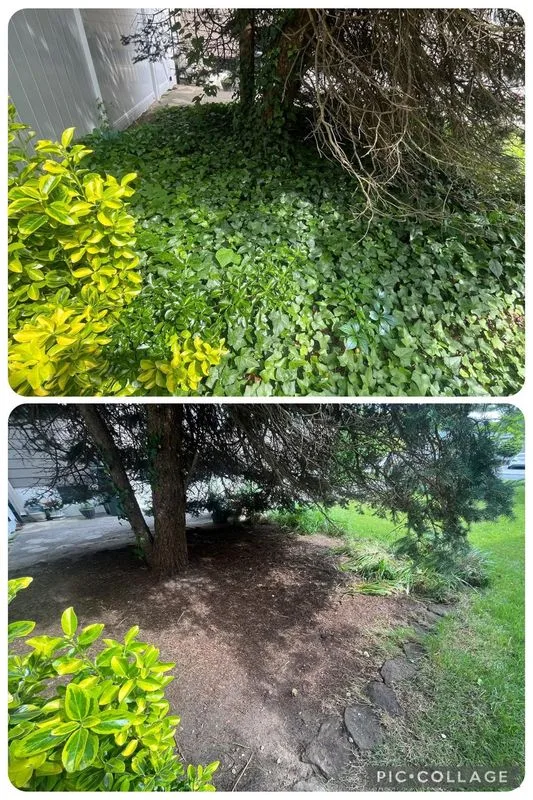
What gets overlooked is the landscaping itself. Overgrown shrubs and hedges act as sails in high wind, putting stress on roots and structures they're planted near. Dense vegetation against the foundation can hold moisture and conceal damage. Brush piles, old wood stacks, and accumulated debris become debris fields when wind hits. Clearing those before storm season is practical maintenance, not just cosmetic.
Drainage matters here too. If your yard already has low spots that pond water, a heavy storm is going to make that worse. Getting grading or drainage issues addressed before the wet season is worth the time.
Why Is Post-Storm Tree and Debris Cleanup a Job for Professionals?
After a storm, property owners want to get out and start clearing. That impulse makes sense — the mess is right there, and you want your yard back. But downed trees and large limbs under tension are genuinely dangerous to cut without the right training and equipment. A log that looks stable on the ground can be loaded with stored energy from a bent trunk underneath it. Cut it wrong and it kicks. Cut a branch under tension and it springs back hard.
Power lines complicate things further. In Atlantic County, it's common after a significant storm to see limbs draped on lines that still have current running through them. Treat every downed line as live until the utility company confirms otherwise. Don't run equipment near them, don't try to pull limbs off them, and keep everyone clear.
Large limbs and whole-tree removal after a storm also require rigging and controlled work that isn't practical with homeowner equipment. The tree removal work that needs to happen after a nor'easter or hurricane is the same technical job as any other tree removal — just with worse site conditions and more urgency.
How Fast Does Post-Storm Cleanup Actually Need to Happen?
Speed matters for a few reasons. Downed wood starts to rot and attract pests quickly, especially in the humid South Jersey summers. A tree on a structure is an ongoing structural threat until it's removed — you can't wait a week while a trunk sits against your roof. And if a limb came down in a neighbor's yard or across a shared driveway, you're creating a relationship problem on top of a property one.
For storm cleanup after a significant event, same-week response is the standard to aim for. That means having a crew you can call rather than starting from scratch after the fact. Atlantic County properties — especially those closer to the shore in Somers Point, Margate, and Northfield — tend to see heavier debris loads after coastal storms. Having a landscaping contractor who knows your property already and can prioritize the safety hazards first makes a real difference.
Book the pre-season inspection before the first storm of the year, not after. That's the window where the work is manageable, the pricing is straightforward, and you're dealing with problems on your terms instead of reacting to damage.
Need Help With Your Property?
Sean Patrick Services handles lawn care, landscaping, drainage, cleanups, and outdoor improvements across Atlantic County, NJ. Call 609-783-5287 or get a free estimate online.