
Spring Shrub and Hedge Trimming Guide for South Jersey
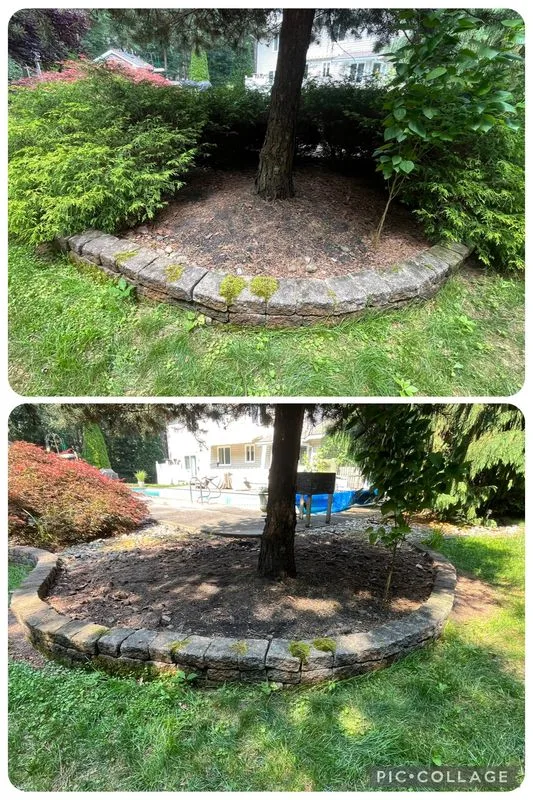
Shrubs and hedges do a lot of work on a South Jersey property — blocking wind off the bay, giving you privacy from the street, softening a fence line. But left untended through a few seasons, they bulk up, lose their shape, and start pushing against the house. By late winter through early spring, before new growth pushes out, is the window to get ahead of it.
This guide covers the timing, technique, and what to expect when you're dealing with everything from a tidy boxwood hedge along a Northfield driveway to a wall of overgrown privet on a bayfront lot in Somers Point. If you're not sure what you have or how far to cut, a walk-through with someone who works this area every week is worth more than a general rule.
When Is the Right Time to Trim Shrubs in South Jersey?
The general window for most shrubs is late winter into early spring — roughly February through mid-April in Atlantic County, before new buds open and the plant puts energy into producing leaves. Trimming during dormancy means the plant channels that energy into healthy new growth rather than repairing cuts.
The critical exception: spring-blooming shrubs. Azaleas, forsythia, lilacs, and rhododendrons set their flower buds the previous fall. If you cut them in late winter, you're removing the blooms before they ever open. Wait until right after they finish flowering — usually May or early June depending on the variety and the year — then trim immediately so the plant has the full growing season to set next year's buds.
- Trim now (late winter/early spring). Boxwood, holly, arborvitae, yew, burning bush, spirea, ornamental grasses, and most privacy hedges.
- Trim after bloom. Azalea, forsythia, lilac, rhododendron, weigela, and any other shrub that flowers before June.
- Light cleanup anytime. Dead, broken, or diseased wood can come out year-round — don't wait on that.
How Do You Shape a Hedge or Privacy Screen the Right Way?
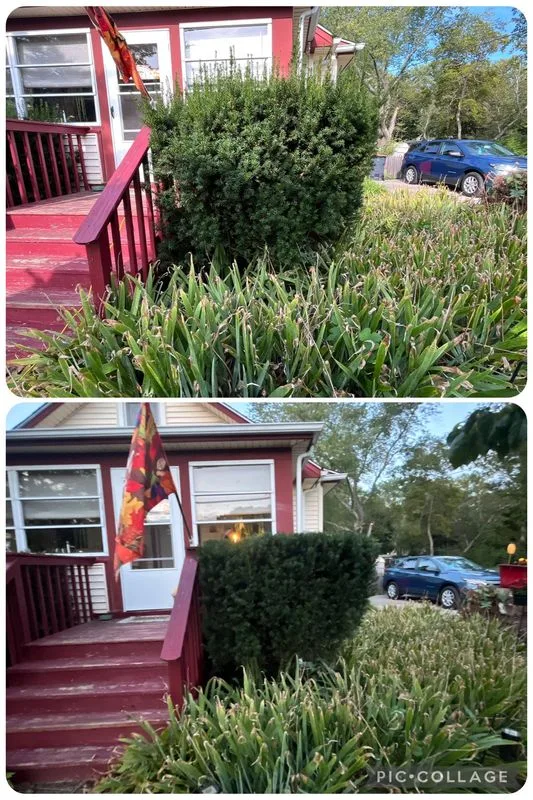
A well-shaped hedge is slightly wider at the base than the top — what landscapers call a batter. This lets sunlight reach the lower branches. Hedges cut with vertical sides or wider at the top eventually go bare at the bottom because the upper growth shades out everything below it. Once that happens, you can't get it back without a hard renovation cut.
For a straight formal hedge, a string line or laser level keeps the top consistent. For a more natural screen — arborvitae or Leyland cypress planted along a property line — you're mostly taking off the tips to encourage density and removing anything that's crossing into a neighbor's yard or toward the house. The goal is a clean profile that stays manageable, not a shape that requires a ladder every month.
- Formal hedges (boxwood, yew, privet). Cut 2–4 times per season; maintain the batter shape every cut.
- Natural privacy screens (arborvitae, Leyland cypress). Once per year is usually enough; focus on tip growth and width control.
- Flowering shrubs shaped as screens. One post-bloom cut, then leave them alone.
What Can You Do About Overgrown Shrubs That Have Gotten Out of Hand?
An overgrown shrub — one that's pushing into the eaves, blocking a window, or gone hollow and woody in the center — isn't a lost cause in most cases. Many common landscape shrubs tolerate hard rejuvenation cuts: taking the plant down to 12–18 inches above the ground in late winter. Privet, forsythia, spirea, and rose of Sharon all respond well. It looks brutal for a season, but you get a full, dense plant back within 2–3 years rather than continuing to trim around a skeleton.
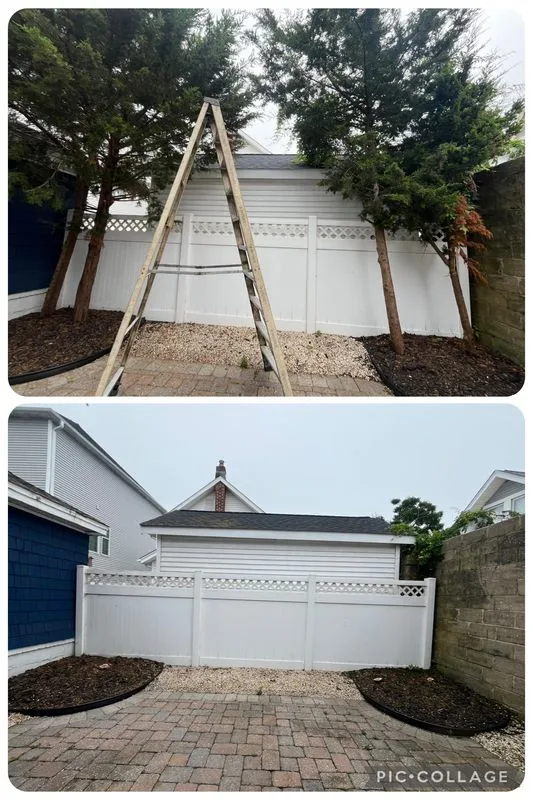
Arborvitae and most conifers don't regenerate from old wood the same way — if you cut back past the green growth on those, the branch won't come back. With those, you're managing what's there, not starting over. If a conifer privacy screen has gotten so far out of hand that it can't be trimmed back to a reasonable size, tree removal and replanting is sometimes the cleaner answer.
Which Shrubs Hold Up to Salt Wind Along the Shore?
Bayfront and oceanfront properties in Brigantine and Margate take a different approach to plant selection. Salt spray burns foliage, and wind stress on a shrub that's not built for it means you're constantly replacing dead material instead of managing healthy growth. The species that actually perform here aren't exotic — they're just the right tool for the environment.
- Bayberry (Morella pensylvanica). Native, salt-tolerant, low maintenance, good privacy screen for coastal lots.
- Beach plum (Prunus maritima). Native to the Jersey Shore, handles salt and wind, flowers in spring.
- Inkberry holly (Ilex glabra). Evergreen, handles wet and coastal conditions, stays dense with minimal trimming.
- Wax myrtle (Morella cerifera). Fast-growing, aromatic, handles salt and drought once established.
- Rugosa rose. Aggressive grower but genuinely survives direct salt exposure where most plants fail.
If you're in Galloway or Egg Harbor Township, further from direct salt exposure, the plant palette opens up considerably — but you still want to select for the sandy, well-drained soils common across Atlantic County.
How Do You Know When a Branch Is a Problem, Not Just Ugly?
Dead and diseased wood should come out regardless of season. Branches rubbing against siding, a soffit, or a window frame cause damage over time — moisture gets in, paint degrades, and you end up with rot that costs far more to fix than a trim would have. Any branch that's touching the house comes off.
Look for the three D's when you're evaluating a shrub: dead (no leaves, brittle, snaps clean), diseased (discolored bark, cankers, powdery mildew that's spread through the plant), and damaged (winter kill, broken from snow load or storm). All of that gets removed at the first opportunity. Leaving it in place invites pests and disease pressure into otherwise healthy plants nearby. This type of targeted shrub and hedge trimming can be done outside of the standard seasonal window without issue.
How Often Do Shrubs Actually Need to Be Trimmed?
Most formal hedges in a maintained residential landscape need trimming 2–4 times per growing season to stay tight and defined. Informal shrubs — those not being kept to a strict shape — can often go once a year, right after bloom or in early spring, and look fine. The mistake most homeowners make is waiting too long between cuts, which forces bigger removals each time and stresses the plant more than regular light maintenance would.
If you've inherited a property with shrubs that haven't been touched in years, that's a different conversation. A full restoration cut — often combined with broader landscaping work to address what's been crowded out or killed underneath — is usually the starting point. After that, annual or semi-annual maintenance keeps things manageable. The first cut is the hard one.
Need Help With Your Property?
Sean Patrick Services handles lawn care, landscaping, drainage, cleanups, and outdoor improvements across Atlantic County, NJ. Call 609-783-5287 or get a free estimate online.