
Best Native Plants for Landscaping in Ventnor City, NJ
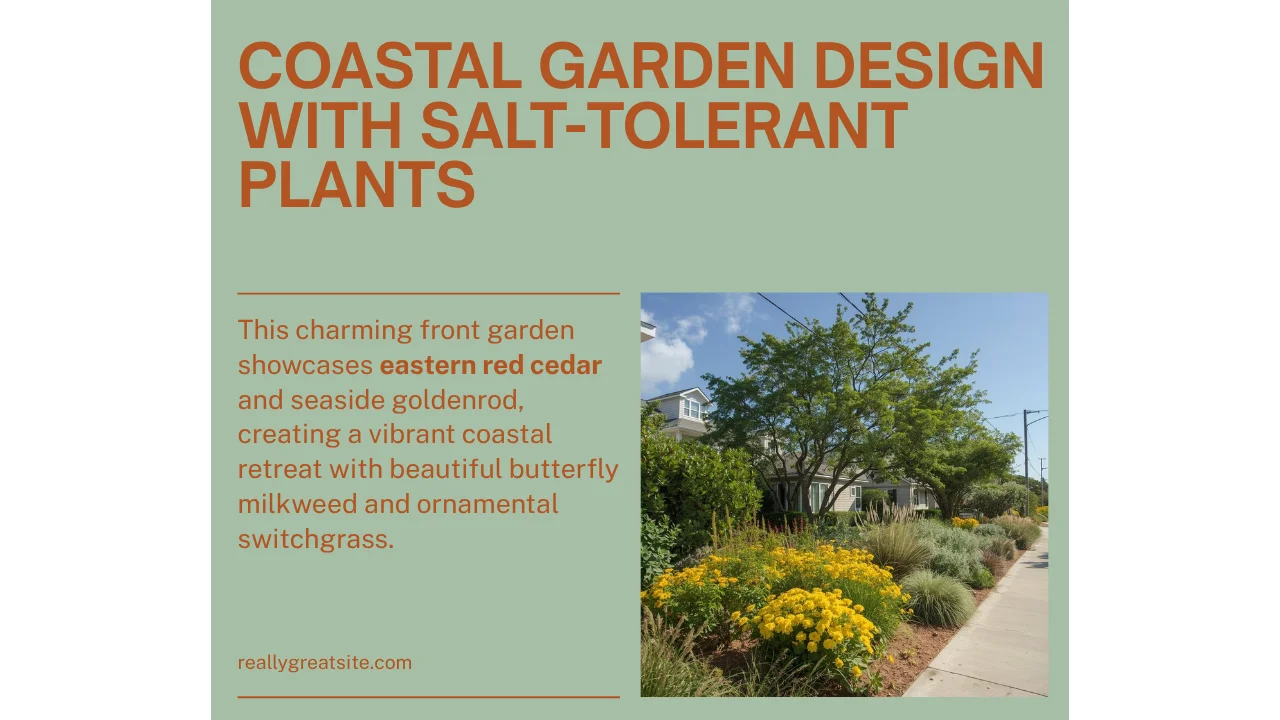
A Walk Through Your Ventnor City Property: Native Plants for Every Spot
Stand at the curb in front of your Ventnor City home. Look at the narrow strip between the sidewalk and the street, the compact front yard, the tight side passages, and whatever backyard space you have behind the house. Every one of those spots catches salt-laden wind off the Atlantic. Every one sits on fast-draining sand that holds almost no nutrients. And every one could be transformed with native plants that actually belong on this barrier island -- species tough enough to shrug off nor'easters and still look beautiful the next morning.
Forget the generic landscaping advice written for inland suburbs. Ventnor City is not Haddonfield. Your lot is probably 40 feet wide. The ocean is blocks away, not miles. Wind funnels down Surrey Avenue and Richards Avenue carrying salt mist that scorches any plant not built for coastal life. What follows is a room-by-room tour of your property with specific native plants matched to each challenge you face.
The Curb Strip: Where Salt and Foot Traffic Collide
That sandy strip between your sidewalk and the street takes a beating. Pedestrians walking to the seawall promenade cut through it. Street salt and ocean spray both hit it. Most homeowners give up on it entirely, leaving bare sand or struggling patches of grass.
American beach grass (Ammophila breviligulata) was designed for this abuse. Its root network runs deep and wide through sand, anchoring soil that would otherwise blow across the sidewalk every time the wind picks up. The tall, silvery-blue blades move gracefully and look deliberate rather than neglected. Pair it with seaside goldenrod (Solidago sempervirens), which erupts in golden flower clusters from August through October. Seaside goldenrod handles direct salt spray as well as any plant on the East Coast and draws migrating monarchs heading south along the Atlantic Flyway. Together, these two create a curb strip that people on the boardwalk promenade actually stop to look at.
The Front Yard: Making a Statement on a Small Canvas
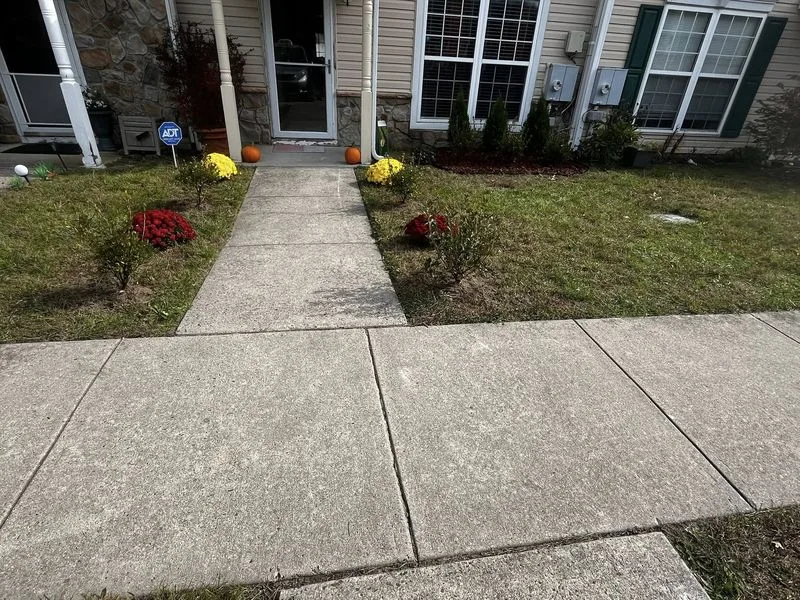
Ventnor City front yards are small, but the homeowners who live here care about them. Walking the blocks between Ventnor Avenue and the beach, you see residents out tending planters and edging beds in the morning before the heat sets in. The challenge is finding plants that hold up to constant wind exposure and still deliver the color and texture that make a front garden worth the effort.
Butterfly milkweed (Asclepias tuberosa) belongs in every Ventnor City front yard. It stays low -- one to two feet -- so it never overwhelms a compact space. From June through August it produces clusters of vivid orange flowers that practically glow against dark mulch. Swallowtails, skippers, and monarchs visit constantly. The deep taproot anchors it through coastal storms and makes it nearly impossible to kill once established. Just pick your spot carefully because that same taproot does not like being moved.
Behind the milkweed, plant bayberry (Morella caroliniensis) as the backbone of your front bed. This semi-evergreen shrub grows three to six feet depending on how much you prune it, and the aromatic foliage releases a warm, waxy scent whenever someone brushes past on the front walk. Bayberry fixes nitrogen in the soil -- it literally feeds the plants around it. The gray berries that cling to female plants through winter feed yellow-rumped warblers and tree swallows that overwinter on Absecon Island. A thoughtful landscape design can arrange bayberry and milkweed so the front yard feels lush without crowding the walkway or blocking windows.
The Side Yard: Privacy in a Narrow Passage
On lots as tight as Ventnor City's, the side yard is often just a five-to-eight-foot gap between your house and the neighbor's fence. It gets limited sun, channels wind like a hallway, and usually ends up as a forgotten path to the back door.
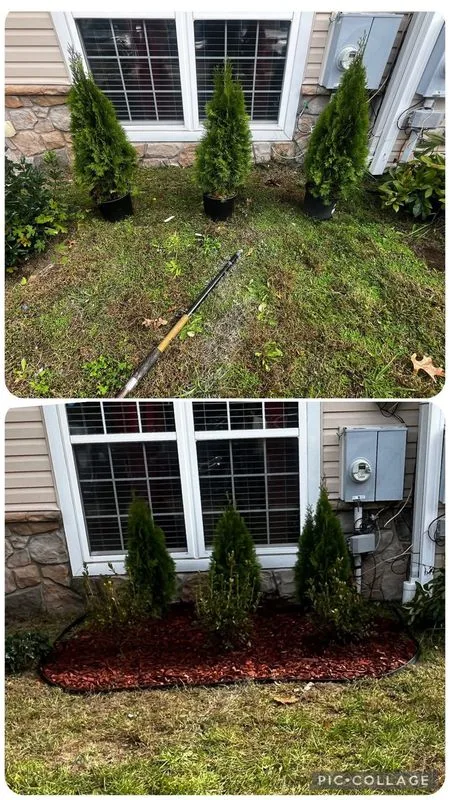
Eastern red cedar (Juniperus virginiana) turns that dead space into a green corridor. Its naturally columnar shape -- tall and narrow -- fits perfectly between structures without constant pruning. The dense evergreen foliage provides year-round screening and breaks that wind tunnel effect, sheltering the backyard behind it. Cedar waxwings strip the small blue berries in winter, adding a flash of movement to an otherwise static space. Eastern red cedar handles salt, sand, drought, and neglect. It asks nothing of you and gives structure to the part of your property you probably ignore.
The Backyard: Your Private Retreat from the Boardwalk
Most Ventnor City backyards are protected from the worst ocean wind by the house itself. That shelter, even partial, opens up possibilities that the exposed front and sides cannot support. This is where you can create something that feels like a garden rather than just a landscape.
Beach plum (Prunus maritima) deserves the prime spot back here. This deciduous shrub lights up with fragrant white blossoms in spring, then produces actual edible purple fruit by late summer -- fruit good enough for jam, if the birds leave any. It grows four to eight feet tall with dense branching that screens you from neighboring yards. Plant two for cross-pollination, positioning them where they catch morning sun. Beach plum handles coastal conditions without complaint, but the extra shelter of a backyard lets it produce heavier fruit crops than it would in an exposed front planting.
Switchgrass (Panicum virgatum) fills out the rest of the backyard beautifully. The cultivar 'Cape Breeze' was selected specifically for coastal tolerance and stays at a manageable three to four feet. The airy seed heads catch late afternoon light in a way that turns a simple backyard into something almost cinematic. In fall, the foliage turns gold, and through winter the dried stalks hold their shape, giving you structure during the months when everything else has gone dormant. Cut it back to six inches in late February before new growth starts.
Putting It All Together on a Barrier Island Lot
The key to landscaping in Ventnor City is accepting the conditions instead of fighting them. Salt spray is not a problem to solve -- it is a filter that eliminates weak plants and lets strong ones shine. Sandy soil drains fast, which means root rot is rarely an issue. Wind prunes plants naturally into compact, resilient shapes.
A few practical notes for making these plants work on your property. Amend planting holes with just a thin scoop of compost -- too much organic matter traps water and rots roots adapted to lean sand. Plant in October or early April when root systems can settle in before summer stress hits. Mulch beds with two inches of shredded bark, but keep it away from stems. Water new plantings deeply once a week through the first summer, then step back and let them do what they were built to do.
Position your tallest plants -- the red cedar, the switchgrass -- on the ocean-facing side of the property. They break the wind for everything behind them, mimicking the natural layering of coastal plant communities from the dune line inland. This is how barrier island vegetation has organized itself for thousands of years. Your lawn and garden care gets simpler when you stop resisting the island's nature and start designing with it.
If you are looking for native plant ideas suited to nearby inland communities, our guides to native plants in Egg Harbor City and native plants in Hammonton cover Pine Barrens species that thrive in very different conditions from what you face here on Absecon Island.
Need Help With Your Property?
Sean Patrick Services provides professional lawn care and landscaping across Atlantic County, NJ. From native plant installations and landscape design to weekly mowing and seasonal cleanups, we handle it all so you can enjoy your yard without the work. Call us at 609-783-5287 or get a free estimate online.