
Best Native Plants for Landscaping in Hammonton, NJ
A Year of Native Plants in the Blueberry Capital
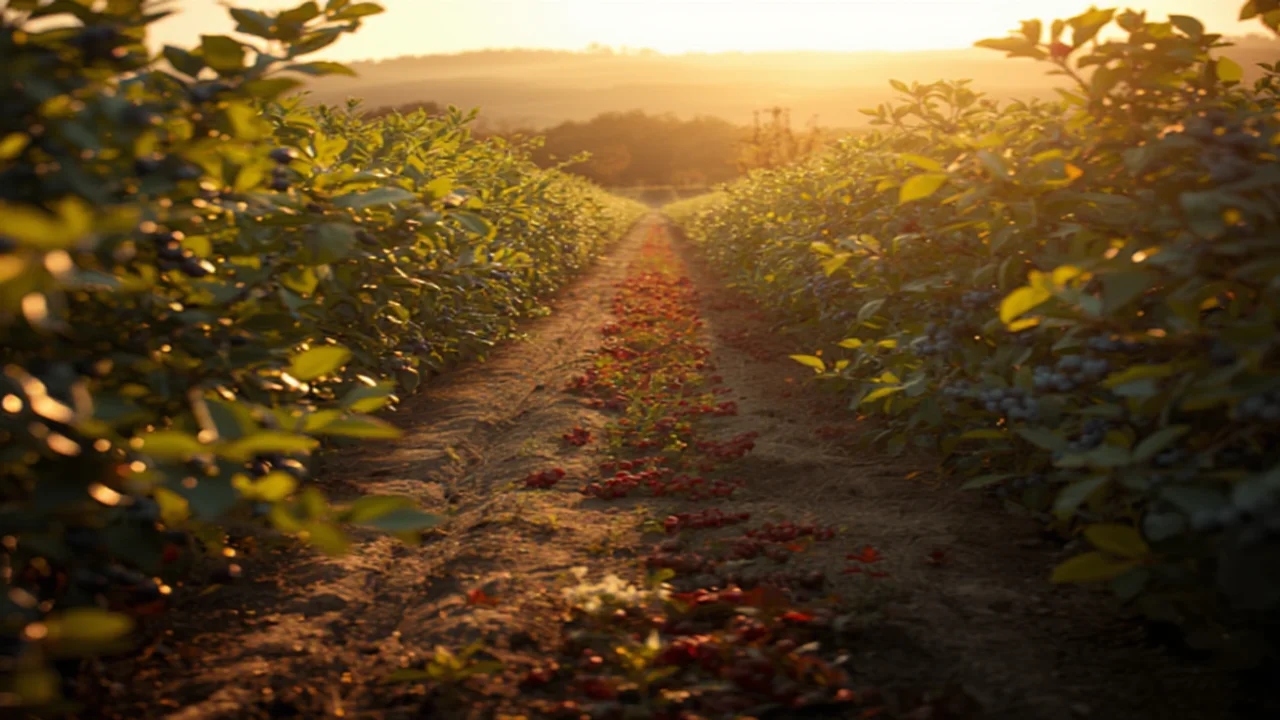
There is a reason Hammonton grows more blueberries than anywhere else in the country. The soil here is sand. Pure, acidic, fast-draining sand with a pH so low -- between 4.0 and 5.5 -- that blueberry bushes feel like they are home. Which they are. Highbush blueberry is native to this ground, and the Italian immigrant families who built Hammonton's agricultural legacy in the early 1900s simply figured out how to farm what was already growing wild in the Pine Barrens.
That same logic applies to your yard on Vine Street, your larger lot off Central Avenue, or your property along the wooded edges near Pleasant Street. Instead of fighting this soil with amendments and irrigation and plants bred for someone else's climate, you can landscape with native Pine Barrens species that treat Hammonton's conditions as an advantage. They grow faster, look better, cost less to maintain, and connect your property to the wild landscape that surrounds this town on every side.
What follows is a month-by-month look at how a native Hammonton landscape performs through the full calendar year -- and which plants carry each season.
March and April: The Ground Wakes Up
While the blueberry farms along the railroad tracks are still bare-branched, bearberry (Arctostaphylos uva-ursi) is already green. This low evergreen groundcover -- barely six inches tall -- never lost its dark, leathery leaves through winter. By late March, tiny pink-white bell flowers appear along the stems, subtle but pretty enough to notice when you walk past. Bearberry spreads flat across sandy ground, forming dense mats that replace the struggling lawn patches so many Hammonton homeowners fight with. No mowing. No fertilizer. No watering once it settles in. It holds sandy slopes in place, fills the strip between sidewalk and curb, and stays green when everything around it is still waking up.
At the same time, highbush blueberry (Vaccinium corymbosum) starts pushing new leaf buds. If you planted multiple varieties along your property line last fall -- and you should, both for cross-pollination and extended harvest -- the earliest cultivars show clusters of white bell-shaped flowers by mid-April. In the Blueberry Capital of the World, having a hedge of native blueberry bushes in your own yard is not just practical landscaping. It is paying respect to the crop that put this town on the map. Highbush blueberry grows six to twelve feet, provides dense screening, and delivers four seasons of ornamental value on top of the fruit. A professional landscape design can position them where they pull double duty as privacy hedge and productive garden.
May and June: The Big Show
Late May is when Hammonton's native landscape hits its first crescendo. Turkey beard (Xerophyllum asphodeloides) sends up dramatic white flower spikes -- two to four feet tall -- from rosettes of grassy evergreen foliage. Turkey beard is a Pine Barrens specialist that blooms in dry, sandy woodland openings, exactly the transition zone between your maintained yard and the pine-oak forest edging so many Hammonton properties. Plant it in groups of five or more along that boundary. The clustered spikes stop people cold. Do not fertilize, do not amend the soil, do not water after the first year. Turkey beard rewards neglect.
Overlapping with turkey beard, sweetbay magnolia (Magnolia virginiana) opens its creamy-white flowers from late May through July. The scent is sweet and citrusy -- close your eyes near a blooming sweetbay and you would never guess you are standing in the Pine Barrens. This graceful tree tops out at 15 to 35 feet, with glossy leaves that flash silver underneath when the wind turns them. Sweetbay magnolia evolved along the wet, acidic margins of Pine Barrens streams, so it handles the seasonal dampness that collects in low spots around Hammonton Lake and the drainage swales near downtown. It holds many leaves through winter in this climate, giving it semi-evergreen character. Plant it near a patio or front porch where the fragrance drifts into the house through open windows.
July and August: Peak Summer, Minimal Effort
Hammonton summers are hot, humid, and dry on the sandy high ground. This is when non-native landscapes start falling apart -- wilting hostas, scorched hydrangeas, lawn brown-out. A native landscape, meanwhile, is just getting started.
New Jersey tea (Ceanothus americanus) erupts with dense clusters of tiny white flowers from June straight through August, pulling in native bees and butterflies by the dozen. This compact shrub stays two to three feet tall, fitting into borders, foundation beds, and mass plantings along driveways. It earned its name during the American Revolution, when colonists brewed its dried leaves as a substitute for taxed British imports. Its root system fixes nitrogen, slowly enriching the lean sand around it for neighboring plants. Full sun, dry sand, no irrigation, no fertilizer. It does not even need pruning.
Black huckleberry (Gaylussacia baccata) ripens its small, sweet, dark berries in midsummer. Huckleberry is one of the most abundant understory shrubs in the Pine Barrens, carpeting the forest floor beneath pitch pines and oaks across thousands of acres around Hammonton. On your property, it serves as a two-to-four-foot groundcover in shaded and partially shaded areas. It colonizes by underground runners, gradually filling in bare patches under existing trees. The fall foliage turns deep crimson -- a color that holds its own against any ornamental shrub you could buy. Birds, box turtles, and foxes compete for the berries.
September and October: The Second Wave of Color
As the Red White and Blueberry Festival fades into memory and the autumn light shifts lower over Hammonton, native plants deliver a second peak that rivals spring.
Scarlet oak (Quercus coccinea) earns its name in October. The deeply lobed leaves turn a red so saturated it almost looks artificial against the blue Pine Barrens sky. Scarlet oak is a large shade tree -- 50 to 70 feet at maturity -- suited to the bigger lots that define much of Hammonton. It grows naturally alongside pitch pine in the surrounding forest, so it is completely at home in sandy, acidic, well-drained ground. The acorn crop in fall draws turkeys, deer, jays, and squirrels onto your property. Give scarlet oak full sun and room to spread. It will anchor your landscape for generations without ever needing fertilizer or supplemental water.
Beneath the oaks, the blueberry hedge turns electric. Highbush blueberry foliage shifts through orange, red, and burgundy in October -- a display so vivid that ornamental landscapers in richer-soiled suburbs spend serious money trying to replicate it with imported Japanese maples. In Hammonton, you get it for free from a plant that also fed you fruit all summer.
November Through February: Structure and Persistence
Winter reveals the bones of a landscape, and this is where native plantings prove their depth. Atlantic white cedar (Chamaecyparis thyoides) holds its soft, fan-like evergreen foliage through the coldest months, providing the green backdrop that keeps your property from looking barren. This narrow, pyramidal tree reaches 40 to 50 feet and actually prefers the wet, poorly drained low spots where other trees rot out. If you have a boggy corner near a drainage ditch or a low area that floods every spring, Atlantic white cedar is one of the few trees that will thrive there. Its aromatic wood naturally resists insects and decay. Plant it where you need winter screening and year-round structure in soggy ground.
Bearberry's red berries persist on the stems through winter, adding low-level color against the dark green mats. The dried stalks of turkey beard hold their shape. Scarlet oak's branch architecture, revealed after leaf drop, gives the property sculptural interest even in January. A well-built native landscape does not disappear in winter -- it just changes costume.
Practical Notes for Hammonton Plantings
Fall is planting season here. October and November give roots warm soil and cool air, the ideal combination for establishment before the first hard freeze. Water weekly through that first fall, then back off. By the following summer, most of these species will not need you at all.
Deer pressure is real in Hammonton. Thousands of acres of Pine Barrens forest border the town, and deer browse aggressively on new plantings. Temporary fencing around fresh installations -- just for the first year or two -- pays for itself by preventing the need to replant. Bearberry, huckleberry, and New Jersey tea have moderate deer resistance once established and can hold their own.
Never lime the soil. This is the single most common mistake homeowners make in Pine Barrens communities. Your acidic sand is the foundation every plant on this list depends on. Raising the pH undermines everything.
Use pine needles from your own yard as mulch. They are free, they maintain acidity, and they suppress weeds better than most bagged products. Two to three inches around plantings, refreshed each fall. Leave leaf litter in native beds -- it feeds the soil and shelters overwintering moths and beneficial insects that keep your garden healthy.
Regular lawn care for the maintained turf areas of your property keeps the contrast sharp between manicured spaces and wilder native plantings. That mix of order and wildness is what makes a Hammonton landscape feel like it belongs to this particular town, rooted in the same soil that grows the blueberries.
For native plant recommendations in very different Atlantic County conditions, check out our guide to salt-tolerant coastal plants in Ventnor City or our field guide to Pine Barrens species in Egg Harbor City.
Need Help With Your Property?
Sean Patrick Services provides professional lawn care and landscaping across Atlantic County, NJ. From native plant installations and landscape design to weekly mowing and seasonal cleanups, we handle it all so you can enjoy your yard without the work. Call us at 609-783-5287 or get a free estimate online.