Best Native Plants for Landscaping in Egg Harbor City, NJ
Egg Harbor City Soil: The Pine Barrens Advantage Nobody Talks About
Grab a handful of dirt from your yard on Bremen Avenue or Duerer Street in Egg Harbor City. It will run through your fingers like sugar. It is pale, almost white in places. A pH test will come back somewhere between 4.0 and 5.5 -- acidic enough to make most garden-center plants wilt within a year. This is Pine Barrens soil, and most landscaping advice you read online does not apply here.
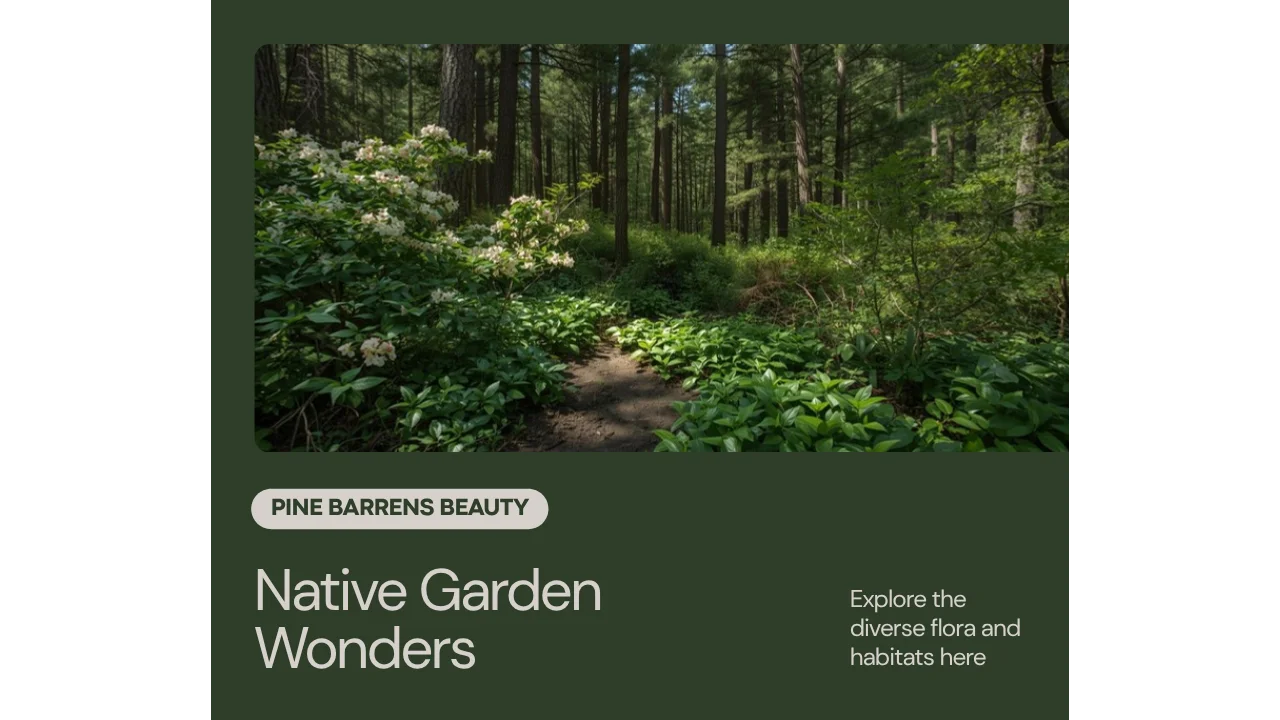
But here is what the generic guides never mention: this soil is not a curse. It is a head start. The Pine Barrens is one of the most ecologically distinctive regions on the eastern seaboard, and its native plants -- the species that have spent millennia adapting to this exact sand, this exact acidity, this exact pattern of seasonal flooding near Cedar Creek and summer drought on higher ground -- are stunningly beautiful. They form partnerships with soil fungi called mycorrhizae that unlock nutrients invisible to non-native roots. They bloom, fruit, and change color through every season without a single bag of fertilizer.
What follows is a plant-by-plant field guide organized by type -- canopy trees, understory shrubs, and ground-level species -- so you can build a complete, layered landscape on your Egg Harbor City property from the top down. A professional landscape design can arrange these species to suit your specific lot, whether you are on a half-acre near the lake or a sprawling rural parcel out toward the Renault Winery area.
Canopy Trees: The Overhead Framework
Large trees define the character of a property. In Egg Harbor City, you need species that grip sandy ground, tolerate acidity, and anchor the rest of your planting beneath them.
Pitch Pine (Pinus rigida)
No tree says "Pine Barrens" louder than pitch pine. Its trunk often grows crooked, its canopy spreads unevenly, and its bark is deeply furrowed -- and every bit of that irregularity is what gives it character. Pitch pine reaches 40 to 60 feet, casting dappled light that understory shrubs love. It actually struggles in rich soil. The nutrient-poor sand of Egg Harbor City is precisely where it performs best. Pitch pine can resprout from its own trunk after fire damage, a survival trait bred into it by thousands of years of Pine Barrens wildfire cycles. Give it full sun and nothing else. No amendments, no fertilizer, no irrigation after the first year.
Eastern White Pine (Pinus strobus)
Where pitch pine is rugged and sculptural, eastern white pine is soft and fast. It adds two to three feet of height per year, filling out into a graceful evergreen tower with feathery blue-green needles. For Egg Harbor City homeowners who want a privacy screen along a property line -- especially on larger lots off Heidelberg Avenue or along the rural stretches toward Mullica Township -- eastern white pine delivers results in a few seasons rather than a few decades. The fallen needles accumulate into a natural acidic mulch that suppresses weeds and feeds acid-loving neighbors below. Space trees 15 feet apart for a solid screen. Plant in full sun.
Understory Shrubs: The Heart of a Pine Barrens Garden
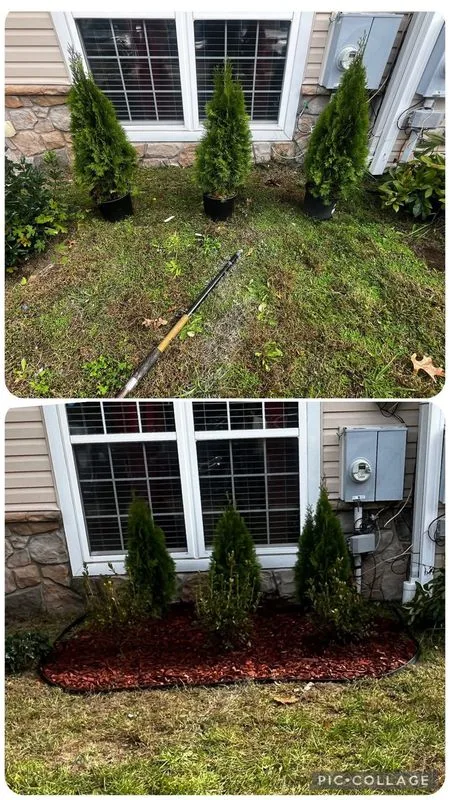
Shrubs do the heavy lifting in a native landscape. They provide flowers, fruit, fragrance, wildlife habitat, and four-season structure. These four species cover every role your Egg Harbor City beds need to fill.
Inkberry Holly (Ilex glabra)
Inkberry is the workhorse evergreen shrub of the Pine Barrens. Dense, dark green, and handsome twelve months a year, it fills the same role as the Japanese holly you see at every strip mall -- but inkberry belongs here. It evolved in the wet, acidic lowlands near waterways like Cedar Creek and Egg Harbor Lake, which means it handles the seasonal moisture fluctuations that send other foundation plants into decline. Black berries persist on the branches through January, feeding robins and cedar waxwings. Grows four to eight feet. Clip it once in early spring if you want a tighter shape. Otherwise, let it fill out naturally.
Sweet Pepperbush (Clethra alnifolia)
You will smell sweet pepperbush before you spot it. In July and August, its upright white flower spikes release a sweet, spiced fragrance that drifts across the yard and draws in every bee, butterfly, and hummingbird moth within range. Sweet pepperbush grows along the damp margins of Pine Barrens streams, so it is the go-to shrub for that low corner of your property where rainwater pools after storms. Three to eight feet tall, gold foliage in October, spreads by root suckers into natural-looking colonies. Thrives in partial shade under the canopy of existing pines. Never fertilize it -- the sandy acidic ground around Egg Harbor City is exactly what it expects.
Mountain Laurel (Kalmia latifolia)
Mountain laurel produces some of the showiest flowers in the entire Pine Barrens. In late May and June, clusters of pink-and-white blooms with intricate geometric patterns cover the plant in a display that rivals any cultivated azalea -- except mountain laurel does it on its own, in acidic sand, under dappled pine shade, without any help from you. The leathery evergreen leaves look polished year-round. It grows five to ten feet and thrives in the partial shade beneath pitch pine and oak canopy. Mulch with pine needles from your own yard to hold moisture and maintain the acidity mountain laurel craves. Steer clear of lime and alkaline fertilizers, which can kill it.
Lowbush Blueberry (Vaccinium angustifolium)
This ankle-high shrub blankets the Pine Barrens forest floor, and it can blanket yours too. Lowbush blueberry spreads into thick, glossy mats six to eighteen inches tall. The berries are small but intensely sweet -- better tasting than anything at the grocery store. In fall, the foliage turns a deep scarlet that rivals the most expensive Japanese maples. Use it as a living groundcover under trees, along pathways, or in beds where you want something that requires zero mowing and zero watering after the first season. Partial shade to full sun. Acidic sand. That is the entire care sheet.
Ground-Level Stars: Grasses and Wildflowers
The lowest layer of a Pine Barrens landscape provides texture, seasonal color, and habitat for pollinators and ground-nesting insects.
Little Bluestem (Schizachyrium scoparium)
Little bluestem might be the single most photogenic native grass east of the Mississippi. In summer, the upright two-to-three-foot clumps are a soft blue-green. Come fall, they ignite into copper, rust, and burnt orange, with white seed heads that catch low autumn light like fiber optics. Through winter, the tawny stalks hold their shape, giving your landscape structure long after everything else has faded. Mass-plant little bluestem across a sunny slope or weave it through a perennial border for movement and texture. Drought-proof once established. Thrives in the driest, sandiest patches of your Egg Harbor City lot. Cut back to four inches in late February.
Pine Barrens Gentian (Gentiana autumnalis)
This is the rarest plant on the list and arguably the most special. Pine Barrens gentian produces vivid blue-violet flowers in October and November -- a time when nearly every other perennial has called it quits for the year. It exists almost exclusively within the Pine Barrens ecosystem, making Egg Harbor City one of the few places on earth where you can grow it in a residential garden. Twelve to eighteen inches tall, full sun, sandy acidic ground, no fertilizer. Growing Pine Barrens gentian is a small but genuine act of conservation. Pair it with little bluestem for a late-season meadow planting that belongs on the cover of a native plant journal.
Designing for Egg Harbor City's Specific Conditions
The most important rule for this town: do not add lime. Every standard lawn and garden guide tells you to lime acidic soil. In Egg Harbor City, liming destroys the exact chemistry your native plants depend on. Leave the pH alone.
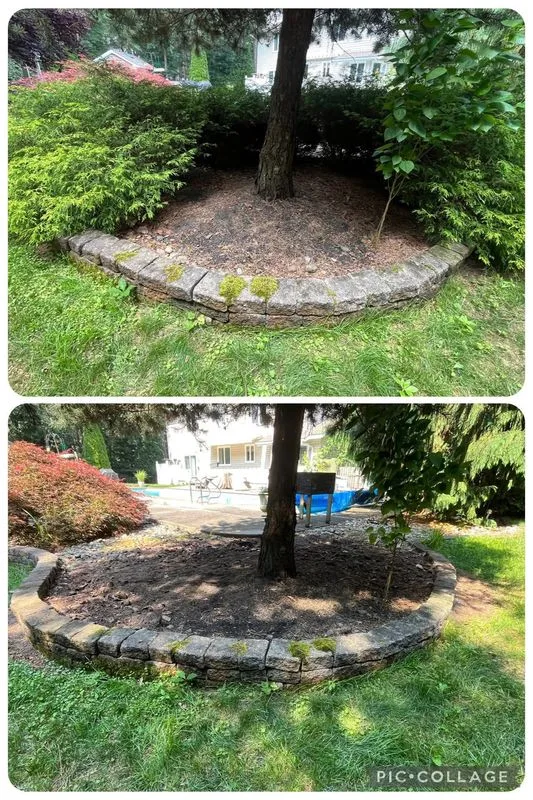
Use the pine needles falling in your yard as free mulch. Two to three inches around plantings retains moisture, suppresses weeds, and slowly returns acidity to the soil as it decomposes. Rake them from wooded edges and redistribute them -- it costs nothing and works better than bagged mulch.
Match plants to moisture zones on your lot. Sweet pepperbush and inkberry go in the damp spots near drainage swales and low-lying areas. Pitch pine, little bluestem, and Pine Barrens gentian go on the dry, sunny high ground. Getting this right from the start means your plants essentially care for themselves after the first year of establishment watering.
Ongoing lawn and tree care for the maintained portions of your property -- turf areas, existing shade trees, seasonal cleanup -- keeps the whole picture cohesive. Native beds handle themselves; the rest of your landscape still benefits from professional attention.
For homeowners in nearby coastal towns dealing with salt spray and wind instead of Pine Barrens acidity, our Ventnor City native plant guide covers a completely different set of species. And if you are closer to Hammonton, our Hammonton guide explores natives suited to the agricultural lots and blueberry-farm edges of that community.
Need Help With Your Property?
Sean Patrick Services provides professional lawn care and landscaping across Atlantic County, NJ. From native plant installations and landscape design to weekly mowing and seasonal cleanups, we handle it all so you can enjoy your yard without the work. Call us at 609-783-5287 or get a free estimate online.