
Best Native Plants for Landscaping in Port Republic, NJ
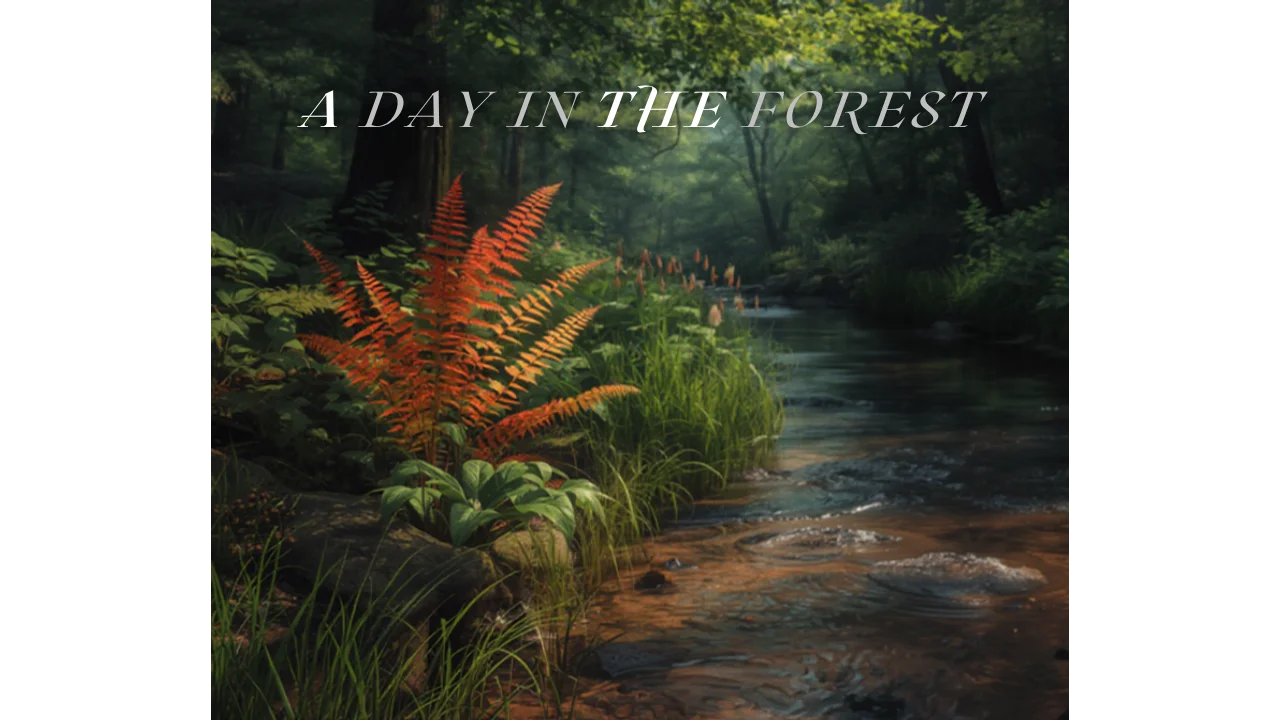
There is a moment, driving down Chestnut Neck Road toward the Mullica River, when the strip malls and traffic lights of the mainland disappear and the Pine Barrens close in. The road narrows. Pitch pines lean overhead. The understory thickens with huckleberry and sweet fern. By the time you reach Port Republic, you are in a different world entirely from the barrier islands twenty minutes to the east. No salt spray. No dune sand. No ocean wind. Instead, you have tea-colored river water flowing past Clarks Landing, acidic sandy soil the color of raw sugar, and a forest canopy that has been shading this ground since long before the Battle of Chestnut Neck brought the Revolutionary War to these banks in 1778.
That history and that landscape are inseparable. The same Pine Barrens ecology that sheltered Continental privateers along the Mullica River still defines what grows here and what does not. Port Republic homeowners who try to landscape with the plants sold at big-box garden centers on the White Horse Pike run into the same problem, season after season: the soil is too acidic, too sandy, too nutrient-poor for species bred for suburban conditions. The solution is not bags of lime and truckloads of topsoil. The solution is planting what already thrives in this ground.
What Should You Know About Port Republic's Soil?
Everything about native plant selection in Port Republic starts with the dirt. Pine Barrens soil is unlike anything found on the coast or in the suburban mainland communities nearby. It is deep, loose, coarse sand with a pH running between 4.0 and 5.5, strongly acidic. Nutrients leach through it almost as fast as water does. Organic matter is thin and concentrated in the top inch or two of forest duff. Conventional soil tests will come back looking alarming to a gardener accustomed to loamy suburban soil, but that chemistry is exactly right for the species that evolved here.
Properties along the Mullica River and its tributaries add a second variable: moisture. The river is freshwater tidal this far upstream, and the marshes that border it keep water tables high in low-lying areas. Some lots in Port Republic have bone-dry upland sand at the front of the property and soggy, semi-saturated ground at the back near the water. That gradient creates two distinct planting zones on a single lot, and the smartest landscape designs take full advantage of both.
Dry Upland: The Pine-Oak Ridge
The elevated, well-drained portions of Port Republic properties, the zones along Chestnut Neck Road, the sunny clearings, the south-facing slopes, share conditions with the surrounding Pine Barrens uplands. This is where drought-tolerant, sun-loving native species belong.
Pitch Pine (Pinus rigida) is the tree that gave the Pine Barrens its name, and it dominates Port Republic's forest canopy. Forty to sixty feet tall, irregularly branched, thick-barked, and fire-resistant, pitch pine is the structural anchor of this ecosystem. Its fallen needles create the acidic mulch layer that every other native plant in your yard depends on. If your lot has existing pitch pines, preserving them should be the first line item in any landscape plan. They took decades to reach their current size, and no nursery replacement will match their canopy or character. If you are planting new screening or shade trees, pitch pine is the only species that will grow in this soil without amendments, irrigation, or ongoing fussing. Skip the spruces, skip the Leyland cypress, skip the white pines that struggle in acidic sand. Plant what already owns this ground.
Wild Lupine (Lupinus perennis) puts on one of the most striking wildflower shows in South Jersey. Spikes of blue-purple flowers rise one to two feet above lobed foliage in May and June, covering sunny openings in a haze of color. Beyond its beauty, lupine is ecologically irreplaceable in the Pine Barrens. It is the sole larval host plant for the Karner blue butterfly, a federally endangered species that historically bred in these woods. Every lupine plant you add to a sunny edge of your property is a direct contribution to habitat recovery for one of the rarest butterflies in eastern North America. Lupine also fixes nitrogen through symbiotic root bacteria, quietly enriching the nutrient-starved sand it grows in. Full sun, dry sand, zero fertilizer. Pair it with little bluestem grass and butterfly weed in an open meadow strip along your driveway or at the edge of a clearing.
Mountain Laurel (Kalmia latifolia) is the evergreen shrub that stops people mid-trail in late May when its clusters of intricate pink-and-white flowers open beneath the oak canopy. Six to fifteen feet tall, gnarly-branched, and covered in glossy dark leaves year-round, mountain laurel grows naturally in the acidic, well-drained shade that Port Republic delivers without any effort on your part. Use it as a specimen planting along a woodland path, a foundation shrub on the shaded side of the house, or a backdrop for lower perennials. It asks for nothing: no lime, no fertilizer, no supplemental water after the first year. Keep machinery and foot traffic away from its shallow root zone. One caution: all parts are toxic if eaten, so factor that in if you have young children or curious dogs.
The Wet Margin: Mullica River Bottomland
Walk toward the river from any property along Port Republic-Chestnut Neck Road and you will cross a line where the dry sand gives way to darker, damper soil. Near the banks, the ground may stay saturated through spring and after heavy rain. Kayakers and anglers launching from Clarks Landing know this transition well. The plants suited to these lower areas are among the most beautiful and ecologically productive species in the Pine Barrens.
Highbush Blueberry (Vaccinium corymbosum) grows wild along every stream corridor and wet margin in Port Republic. Six to twelve feet tall, it offers a full four seasons of interest: dangling white bell-shaped flowers in spring, fat blue-purple berries that feed both songbirds and homeowners through summer, blazing scarlet fall foliage that rivals any New England maple, and architectural bare stems in winter. Blueberry demands exactly the conditions Port Republic provides: acidic sand, consistent moisture, and partial to full sun. Group three to five plants along the edge of a wet area, run them as an informal hedge down a property line near the river, or integrate them into a mixed shrub border with sweet pepperbush and winterberry. Mulch heavily with pine needles to hold moisture and maintain soil acidity. You will harvest fruit by the second or third season, and the birds will compete with you for every berry.
Sweet Pepperbush (Clethra alnifolia) is the shrub you smell before you see it. In July, upright spikes of white flowers release a fragrance so intense it carries across entire properties, pulling in every pollinator within range. Bees crowd the blossoms. Butterflies circle. Hummingbird moths hover. Six to eight feet tall and spreading by gradual suckers, sweet pepperbush colonizes the moist, shady margins where most conventional shrubs rot out. Along the north side of the house, in the low swale near the septic field, at the edge of the tree line where the lawn gives up, this species fills problem areas with fragrance, flowers, and warm golden fall color. It is native to the Mullica River corridor and thrives without any assistance in the ground you already have.
Cinnamon Fern (Osmundastrum cinnamomeum) brings a primeval quality to the wet, shaded areas of a Port Republic lot. Three to five feet tall, with gracefully arching fronds that unfurl from dramatic fiddleheads each spring and distinctive cinnamon-brown fertile stalks rising from the center of each clump, this fern forms dense colonies that suppress weeds and require absolutely no care. It thrives in the consistently moist, acidic shade along stream banks, in low-lying areas at the back of wooded properties, and in rain gardens. Mass it beneath existing oaks and pines for a groundcover layer that looks like you transplanted a piece of Bass River State Forest into your yard. Because, in a sense, you did.
Winterberry Holly (Ilex verticillata) earns its place in the landscape during the months when everything else has gone dormant. From November through February, bare stems studded with clusters of brilliant red berries stand out against the brown and gray winter woods like signal fires. Six to ten feet tall, winterberry grows naturally in the wet, acidic soils along the Mullica and throughout Pine Barrens stream corridors. Cedar waxwings descend on the berries in flocks. Robins and bluebirds pick them off one at a time. For homeowners on the larger Port Republic lots, winterberry planted near a kitchen window or along a walkway visible from inside the house provides a reason to look outside on the bleakest January morning. You need at least one male pollinator plant for every five to seven fruiting females to get a full berry set.
The Woodland Edge: Where Sun Meets Shade
Most Port Republic properties have a transition zone where the open lawn or clearing meets the tree canopy. This edge receives a mix of direct sun and filtered light through the day, and it is often the most visually prominent part of the landscape, the zone guests see first when they pull into the driveway.
Eastern Red Columbine (Aquilegia canadensis) lights up this edge in spring with nodding red-and-yellow flowers from April through June. They are among the first native blooms to open, and they arrive just as ruby-throated hummingbirds are returning to South Jersey from their winter migration. Columbine thrives in the dappled shade of the forest margin, in the lean, acidic sand Port Republic sits on, and it self-seeds gently into the surrounding area without ever becoming a problem. Plant it along shaded walkways, around the bases of established trees, at the edge of a woodland garden bed, or along the north side of the house where little else blooms. Twelve to twenty-four inches tall, elegant, and completely self-sufficient once established.
Inkberry Holly (Ilex glabra) provides a different service at the woodland edge: evergreen structure. Four to eight feet tall with glossy, dark green foliage that holds through winter, inkberry gives a Port Republic property year-round form where deciduous trees and shrubs leave gaps from November through April. It tolerates both the drier upland conditions and the occasional wet feet of lower areas, making it versatile across the moisture gradient common on local lots. Use it as a foundation planting on the shaded side of the house, a low hedge along a driveway, or a green backdrop that makes the fall colors of blueberry and winterberry pop even harder.
A Different Approach to Lawn and Garden Care
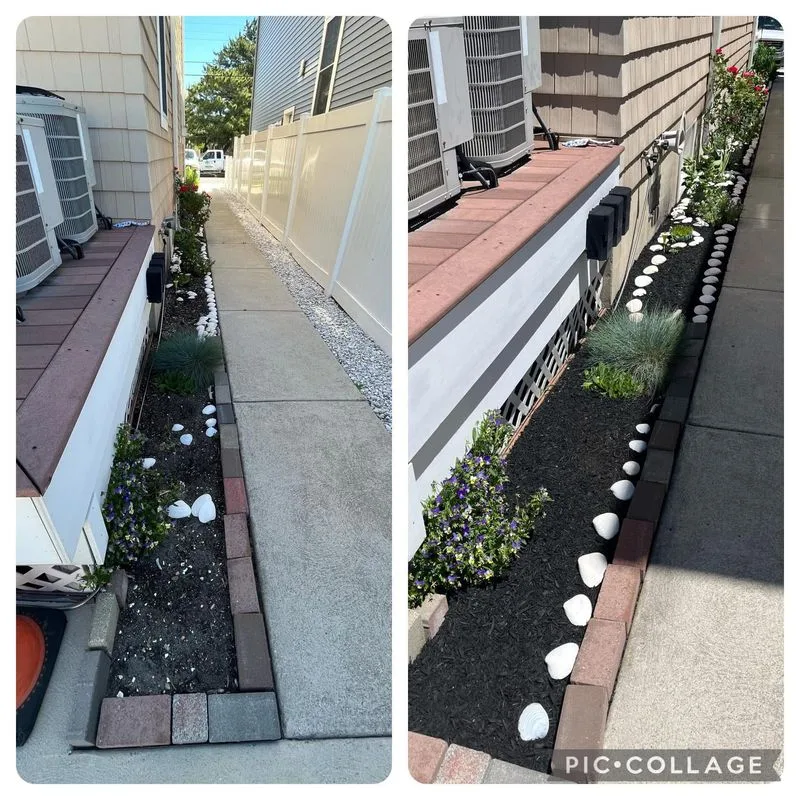
Port Republic is not a manicured suburban community, and trying to force a suburban-style landscape onto Pine Barrens soil is an expensive exercise in frustration. The large lots along Chestnut Neck Road and Clarks Landing Road do not need wall-to-wall turf grass, foundation boxwoods, and annual flower beds. They need landscapes that read as intentional extensions of the surrounding forest, river, and marshland.
That means letting go of some habits that work on the mainland. Never add lime. The acidic pH is the feature that makes your native plantings possible, and raising it destroys the soil biology they depend on. Mulch with pine needles, which are free and abundant from your own trees or your neighbors'. Two to three inches of pine straw suppresses weeds, holds moisture, feeds the soil as it breaks down, and maintains the acidity every species listed here requires. Never fertilize. Pine Barrens plants grow in nutrient-poor sand by design. Fertilizer pushes soft, sappy growth that invites disease and insect problems. Plant in September through November, when fall rains and cool air give roots a chance to settle into the sand before winter dormancy.
Most importantly, protect what you already have. The mature oaks and pitch pines on your property create the shade, the soil chemistry, and the leaf litter ecology that make native understory planting possible. If a contractor asks to clear-cut for a lawn, understand that you will be destroying decades of canopy development that cannot be replaced in your lifetime. Thoughtful thinning and selective clearing are fine. Wholesale removal trades an irreplaceable woodland for a lawn that will need constant irrigation, fertilization, and lime applications just to survive in acidic sand.
Sean Patrick Services in Port Republic
We approach Port Republic properties with the understanding that Pine Barrens landscaping is fundamentally unlike any coastal or suburban project in Atlantic County. The soil, the light, the moisture, the plant palette, everything is different here. Our landscape design process begins with reading your property's canopy cover, drainage patterns, and existing vegetation before we select a single plant. We source from nurseries that specialize in Pine Barrens and Coastal Plain genotypes, stock that is already acclimated to acidic sand and does not need a transition period to perform.
Whether you want a woodland garden along your driveway, a blueberry and pepperbush border at the edge of the tree line, a wildflower meadow in a sunny clearing, or ongoing maintenance tailored to native plantings, our team handles the work from design through installation and seasonal care. Port Republic is a special place. The landscape should reflect that. Call us or request a free estimate to get started. For a look at how dramatically plant selection changes just a few miles east, check out our Galloway native plants guide or our Hammonton native plants guide, which covers another Pine Barrens community with its own distinct character.
Need Help With Your Property?
Sean Patrick Services provides professional lawn care and landscaping across Atlantic County, NJ. From native plant installations and landscape design to weekly mowing and seasonal cleanups, we handle it all so you can enjoy your yard without the work. Call us at 609-783-5287 or get a free estimate online.