
Best Native Plants for Landscaping in Margate City, NJ
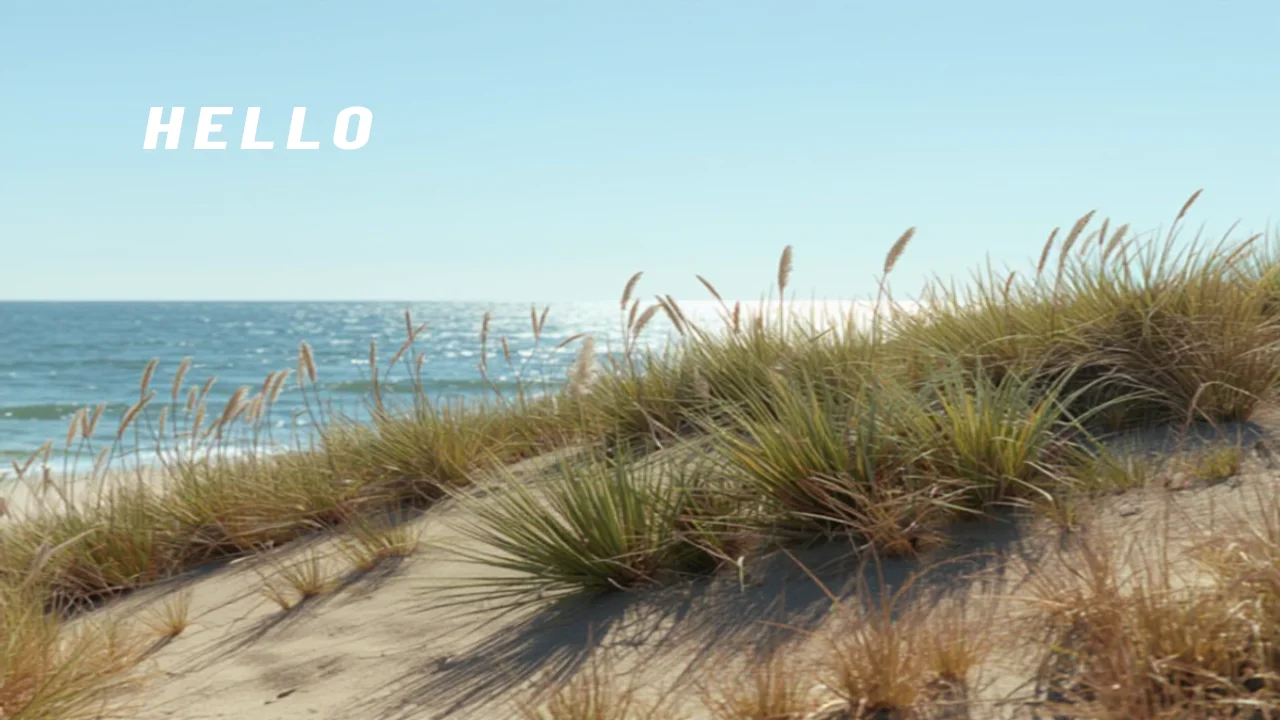
You know the routine. You spend a small fortune on landscaping in spring, and by September half of it looks scorched, shredded, or dead. The hydrangeas along Amherst Avenue fried their leaves in July. The ornamental grasses you put next to the front steps snapped in that August nor'easter. The pachysandra ground cover turned brown and crispy the first time salt spray hit it after a storm. Meanwhile, across the street, your neighbor's yard looks fine -- because they stopped fighting the island and started planting what actually belongs here.
If you live in Margate City, your landscaping faces a gauntlet that would destroy most plants sold at mainland garden centers. Salt spray, relentless wind, pure sand that holds no water and no nutrients, scorching reflected sun off pavement and stucco, and occasional flooding -- especially on streets like Fredericksburg Avenue during coastal storms. Every one of those problems has a native plant solution. This guide matches each specific challenge Margate homeowners face to the native species engineered by thousands of years of coastal evolution to handle it.
Problem: Salt Spray Burns Every Shrub You Plant
Oceanfront homes and properties within a few blocks of the beach on the east side of the island take a constant bath of airborne salt. Wind drives microscopic saltwater droplets inland, and they settle on every leaf surface. Non-native shrubs absorb that salt, which dehydrates cells and causes the brown, scorched margins that ruin the look of a planting within weeks of a big blow. Even bay-side homes along the western blocks catch heavy salt during storms and sustained northeast winds.
Solution: Northern Bayberry (Myrica pensylvanica)
Bayberry evolved on this coastline. Its leathery, aromatic leaves have a waxy surface that repels salt rather than absorbing it. After a storm dumps spray across your Ventnor Avenue property, bayberry shakes it off. Growing five to eight feet tall and equally wide, it forms a dense, rounded mass of semi-evergreen foliage that looks attractive from March through January. The gray waxy berries that cluster along female branches in fall are a food source that draws tree swallows and yellow-rumped warblers in enormous numbers during fall migration. Bayberry fixes its own nitrogen from the atmosphere through a partnership with soil bacteria, meaning it builds fertility in Margate's nutrient-dead sand rather than depleting it. Where to plant it: Foundation beds, property-line hedges, windward-facing borders. Anywhere you have lost shrubs to salt damage, bayberry will hold the line.
Solution: Beach Plum (Prunus maritima)
This gnarled, sculptural native shrub has been part of the Jersey Shore since before Lucy the Elephant was built down on Atlantic Avenue. Beach plum handles heavy salt spray, sandy soil, and full coastal exposure without flinching. In late April it covers itself in fragrant white blossoms that draw early pollinators. By August, branches hang with small dark-purple plums that Margate residents have been turning into jam for generations. It grows four to six feet tall with a naturally irregular, wind-shaped form that gives it more character than any pruned ornamental ever could. Where to plant it: Side yards, sunny corners, anywhere with direct sun and salt exposure. Plant two or more for cross-pollination if you want fruit.
Problem: Wind Snaps and Shreds Your Plants
Margate sits on a narrow barrier island with nothing between its homes and the open Atlantic. Wind is a daily fact of life, not an occasional event. Standard ornamental grasses split apart. Top-heavy perennials snap at the base. Tall, rigid shrubs catch wind like a sail and lose branches. Even trees that do fine on the mainland -- red maples, dogwoods, ornamental cherries -- get twisted and stunted on the island.
Solution: Switchgrass (Panicum virgatum 'Northwind')
Not all switchgrass cultivars are equal in coastal wind. The 'Northwind' variety was selected for its stiffly upright, columnar growth that resists wind damage without flopping or splitting. It reaches four to five feet tall and holds its shape through gales that would flatten most ornamental grasses. The blue-green foliage turns golden in fall, and the airy seed heads persist well into winter, catching light in a way that photographs beautifully. Switchgrass tolerates sand, drought, salt, and full sun -- every condition that defines a Jerome Avenue front yard. Where to plant it: Borders, parking strip beds, and any exposed bed where you need vertical interest that will not blow over.
Solution: Eastern Red Cedar (Juniperus virginiana)
The only native evergreen tree that genuinely thrives on a barrier island. Eastern red cedar bends with the wind rather than breaking. On beachfront properties, decades of ocean wind sculpt cedars into dramatic, asymmetrical forms that give them more personality than any nursery-perfect tree could ever have. Growing fifteen to thirty feet tall depending on exposure, red cedar provides year-round green screening and wind protection for plants downwind of it. The dense, aromatic foliage shelters overwintering birds, and the blue-gray berries on female trees feed cedar waxwings and robins through the coldest months. Where to plant it: Property corners, windward fence lines, and anywhere you need a permanent living windbreak. Plant on the ocean side of your lot and let the cedar protect everything behind it.
Problem: Sandy Soil That Holds Nothing
Dig six inches on any Margate property and you will pull up pure sand. No organic matter. Minimal nutrients. Water pours through it like a sieve. Imported topsoil washes through within a season or two and you are back to sand. Non-native plants in this substrate are perpetually starving and thirsty, demanding constant irrigation and fertilization just to stay alive.
Solution: Seaside Goldenrod (Solidago sempervirens)
This perennial does not just tolerate sand -- it was built for it. Thick, fleshy, dark-green leaves store moisture internally, so seaside goldenrod survives long dry stretches without supplemental watering. A deep root network mines nutrients that shallow-rooted plants never reach. And from late August through October, when every other garden in Margate has given up for the season, seaside goldenrod throws up three-to-five-foot spires of brilliant gold flowers that turn a tired September landscape into something worth stopping for. Monarchs staging for their southward migration and native bees fattening up for winter mob these blooms. Where to plant it: Sunny borders, fence lines, open beds, parking strips. Anywhere you have struggled to keep color going past July.
Solution: Blanket Flower (Gaillardia pulchella)
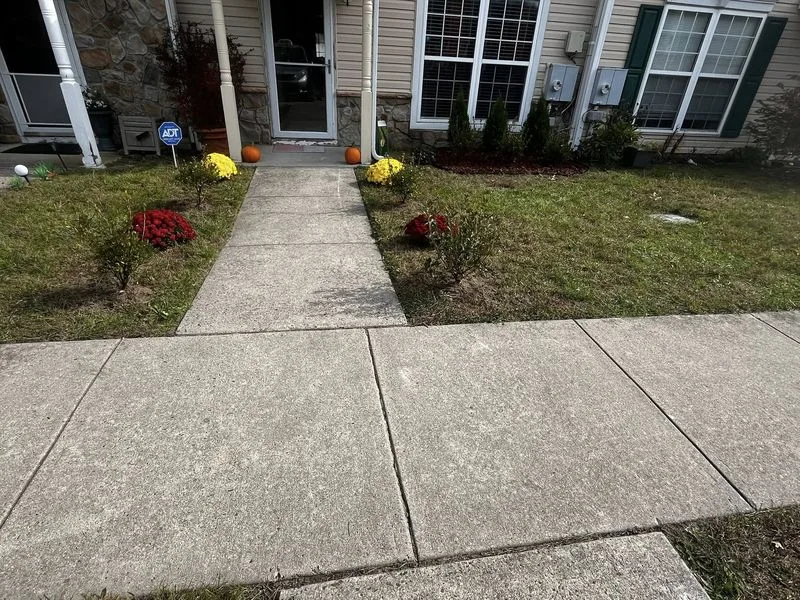
A sun-baked, nutrient-poor strip of sand beside a walkway is blanket flower's ideal habitat. This low-growing annual or short-lived perennial produces red-and-gold daisy blooms nonstop from June through October in conditions that would starve a petunia. It reseeds itself in sand, so a single initial planting establishes a colony that returns on its own year after year without any replanting, feeding, or watering. One foot tall, compact, and heat-loving. Where to plant it: Along front walks, around mailboxes, in raised beds and containers, and in any narrow strip of sand between hardscape elements where you want continuous color without effort.
Problem: Flooding and Storm Surge on Bay-Side Properties
Homeowners on Margate's bay side -- and especially along low-lying streets like Fredericksburg Avenue -- deal with periodic saltwater flooding during storms and king tides. Water pools, recedes, and leaves salt residue in the soil. Most landscape plants cannot survive even one saltwater inundation event. Many bay-side Margate homeowners have simply given up on planting those areas at all.
Solution: Saltmeadow Cordgrass (Spartina patens)
This fine-textured native grass colonizes the salt marshes along Margate's back bay naturally -- it is the species you see waving in dense meadows along the bay shore. It thrives in brackish, periodically flooded conditions that would kill any conventional landscape plant instantly. One to three feet tall with a wiry, cascading growth habit, saltmeadow cordgrass stabilizes soil with a dense root network that absorbs storm surge energy and resists erosion. On bay-side properties that flood, it provides the only realistic living groundcover option. Where to plant it: Low-lying yard sections, rain gardens, drainage areas, and any zone between your house and the bay that takes on water during storms.
Solution: Groundsel Bush (Baccharis halimifolia)
Also called sea myrtle, this native shrub grows along the back-bay edges of Margate naturally and handles salt flooding, salt spray, sandy soil, and persistent wind. It reaches six to ten feet tall with bright green foliage and produces clouds of silvery-white seed plumes in late fall that are visually striking against an autumn sky. Groundsel bush works as a tough, salt-proof screening shrub for bay-side properties where nothing else will grow. Where to plant it: Bay-side property borders, flood-prone side yards, and as a living screen between your lot and the bay.
Problem: No Shade, No Privacy on Compact Lots
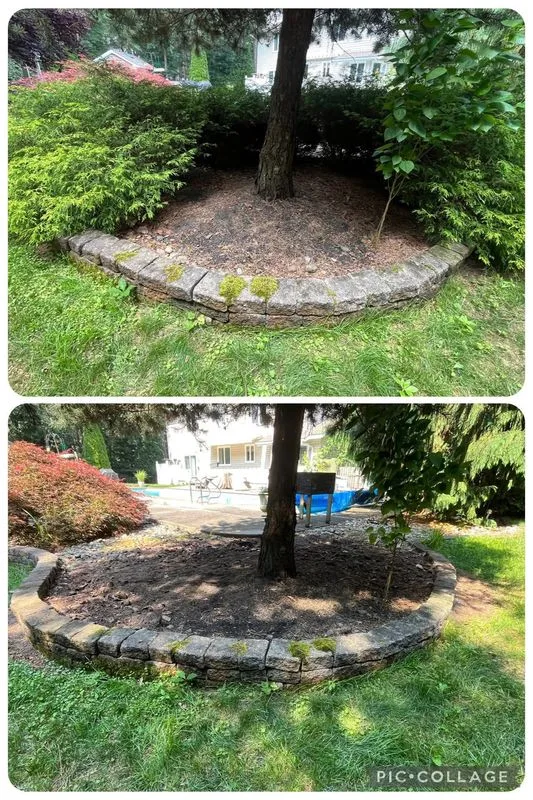
Margate's residential blocks -- especially the tightly packed streets between Amherst Avenue and the beach -- feature compact lots with almost no existing tree canopy. The result is full sun exposure from every angle, reflected heat from pavement and stucco, and zero privacy. Conventional shade trees grow too slowly, get damaged by wind, or die from salt stress.
Solution: American Holly (Ilex opaca)
This native evergreen tree reaches twenty to forty feet at maturity and handles salt spray and sandy soil far better than most homeowners realize. It grows at a moderate pace, holds dense, spiny, dark-green foliage year-round, and female trees produce the classic bright-red berries in winter. American holly provides permanent screening and shade on compact Margate lots where every square foot matters. Its pyramidal shape takes up less horizontal space than a spreading shade tree, making it suitable for narrow side yards and tight property lines. Where to plant it: Side yards for screening, back corners for privacy, or as a single specimen in a front yard where you want year-round green presence and winter berry interest.
Solution: Dusty Miller / Beach Wormwood (Artemisia stelleriana)
For the ground plane on those sun-blasted compact lots, native dusty miller carpets bare sand with silvery-white, feltlike foliage that reflects heat and resists salt, sun, and drought simultaneously. Six to twelve inches tall and spreading, it eliminates the need for traditional mulch -- which blows away on the island anyway -- and creates a luminous, low groundcover that contrasts sharply with the green and gold of taller companions. Where to plant it: Under and around taller plants as a living mulch, along walkways, in rock gardens, in any ground-level space that needs coverage without height.
Making It Work: Practical Notes for Margate Installations
Do not amend Margate's sand. The plants above evolved in it. Imported topsoil and compost wash through the profile in one season and you are back where you started, minus the money. Plant directly into the native sand, water deeply for the first growing season to push roots down to the water table, then stop. These species will sustain themselves on rainfall once established.
Sequence your planting strategically. Install bayberry, red cedar, and beach grass first to create windbreaks and salt screens. The following season, plant perennials and groundcovers in the shelter those anchors provide. This staged approach mimics the way coastal plant communities naturally develop and gives smaller species the protection they need during establishment.
Skip lightweight bark mulch -- the wind will scatter it across your neighbor's driveway by the next morning. Use crushed shell, pea gravel, or let dusty miller and cordgrass serve as living groundcovers. The result looks more natural and stays put.
Our landscape design team builds custom coastal native planting plans for Margate properties, accounting for oceanside versus bayside exposure, flood zones, lot size, and the specific conditions on your block. We handle ongoing property maintenance as well, so your native landscape stays sharp through every season.
Curious how native plant selection changes once you cross the causeway to the mainland? Our guides to native plants in Linwood and native plants in Northfield cover the inland side, where sheltered conditions and richer soil open up an entirely different plant palette.
Need Help With Your Property?
Sean Patrick Services specializes in coastal landscaping for Margate City, NJ and the surrounding barrier island communities. We know which native plants thrive on the island and how to install them for lasting success. Call us at 609-783-5287 or get a free estimate online.