
Best Native Plants for Landscaping in Linwood, NJ
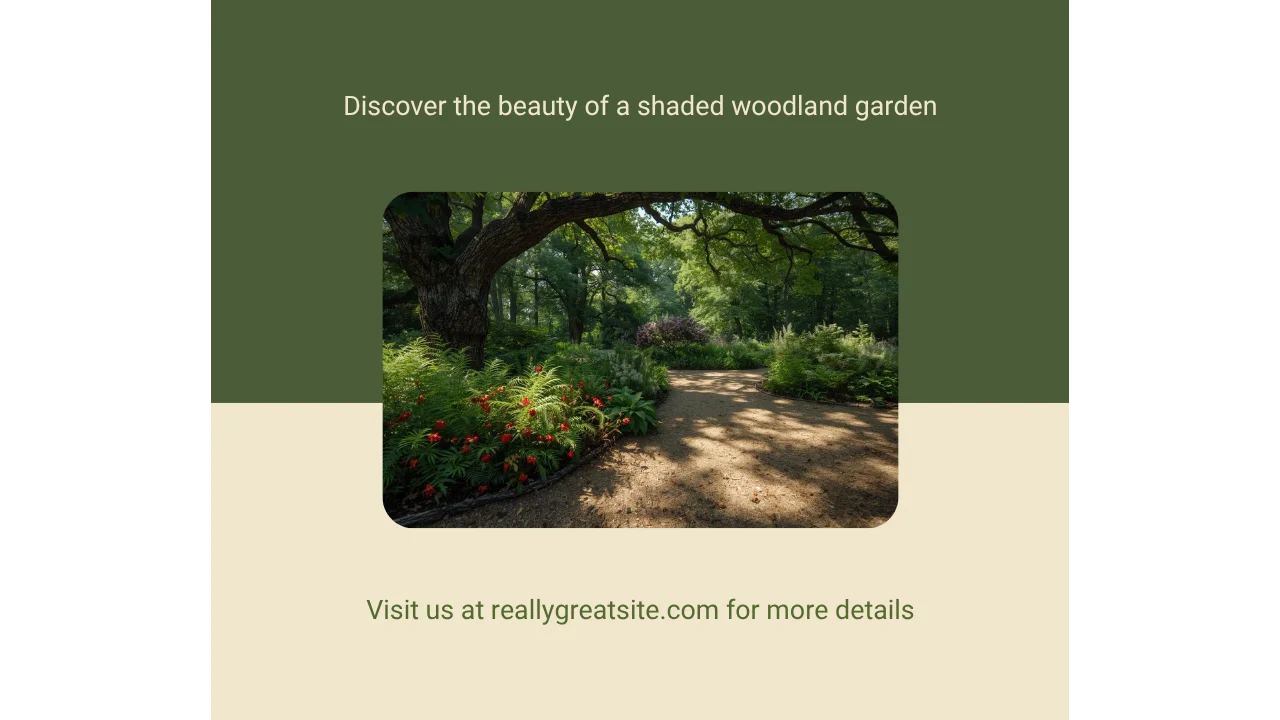
Walk down Oak Avenue on a Saturday morning in October and you will notice something about the best-kept properties in Linwood -- they look alive in a way that conventional landscapes do not. The gardens shift and glow. Birds move through the shrub layers. The air carries the faint sweetness of bayberry and spicebush. These yards have not been loaded with annuals from a big-box store. They have been planted with native species that evolved in this exact stretch of the South Jersey coastal plain, and the difference shows twelve months out of the year.
Linwood sits in a privileged position for gardening. Sheltered from the direct ocean winds that batter Margate and the barrier islands, your property benefits from a gentler microclimate that opens up the full palette of mid-Atlantic native plants. The sandy loam underfoot -- a legacy of ancient shorelines -- drains freely but holds just enough moisture and nutrients to support deep-rooted perennials and understory trees. And the mature canopy of oaks, pines, and sweetgums stretching through the Wabash and Oak neighborhoods creates the kind of layered shade that woodland natives crave. This article walks you through a full year of native plant interest for a Linwood yard, season by season, so you can see exactly how a well-planned native garden rewards you every single month.
Spring: The Linwood Garden Wakes Up (March through May)
While your neighbors' imported azaleas are still dormant in early March, a native spicebush (Lindera benzoin) will already be studded with clusters of tiny chartreuse-yellow flowers along its bare branches. This is one of the first signs of spring in the woods around Central Avenue, and it translates beautifully to a shaded backyard. Spicebush grows six to ten feet tall, thrives beneath the existing tree canopy, and hosts the spectacular spicebush swallowtail butterfly. Every part of the plant is fragrant -- break a twig and the sharp, citrusy scent is unmistakable. Tuck three or four along a shaded fence line or property border and you will have the earliest blooms on your block.
By mid-April, eastern red columbine (Aquilegia canadensis) begins dangling its red-and-gold lantern-shaped flowers a foot above the leaf litter. Hummingbirds arrive in Linwood right on schedule for this bloom, and they zero in on columbine like it is a runway beacon. This delicate wildflower self-sows at a polite pace through shaded beds, spreading naturally under your oaks without any intervention. Five or six plants become twenty within a couple of seasons.
As April turns to May, the sunny edges of your yard -- the strip along the driveway, the south-facing foundation bed -- explode with the white froth of New Jersey tea (Ceanothus americanus). At two to three feet tall, it stays compact enough for a front-yard border near New Road or along a walkway near Mainland Regional High School. Its root system reaches so deep that established plants never need watering, even in the driest July Linwood can throw at them. Revolutionary War soldiers brewed its dried leaves when British tea was boycotted, and it still draws a crowd -- of native bees, that is.
Summer: Peak Color and Pollinator Action (June through August)
Summer is where a Linwood native garden truly separates itself from a conventional landscape. While boxwood hedges and hostas sit there looking the same as they did last month, your native beds are changing week to week.
Virginia sweetspire (Itea virginica) kicks off June with drooping clusters of fragrant white flowers that smell like honey warmed in the sun. This three-to-six-foot shrub handles the damp spots along drainage swales and the dry sandy banks near your patio with equal ease. Tuck it where you walk past often -- along the path to a side gate or near an outdoor seating area -- because the fragrance is half the point.
By late June, the sunny open beds in your yard will be blazing with black-eyed Susans (Rudbeckia hirta). These gold-petaled, dark-centered wildflowers bloom so heavily they look like someone poured paint across the garden. They are short-lived perennials that reseed themselves perpetually, so a single planting becomes a self-renewing sweep of color that persists from June deep into September. Along Oak Avenue and the side streets off Central, they look spectacular massed in a front-yard bed where the mailman walks past every day.
Behind those golden drifts, plant switchgrass (Panicum virgatum) for vertical structure that catches summer breezes. The cultivar 'Shenandoah' turns a smoky reddish-purple by August, and at four feet tall it provides a living backdrop for shorter perennials. Switchgrass anchors a bed the way a piece of furniture anchors a room -- everything else makes more sense because it is there. It handles Linwood's sandy loam without any fuss, and its airy seed heads feed sparrows and juncos well into winter.
Fall: Linwood's Showstopper Season (September through November)
This is where native plants embarrass conventional landscaping. Most ornamental shrubs offer one season of interest. The natives in a well-designed Linwood garden deliver a second act that rivals the first.
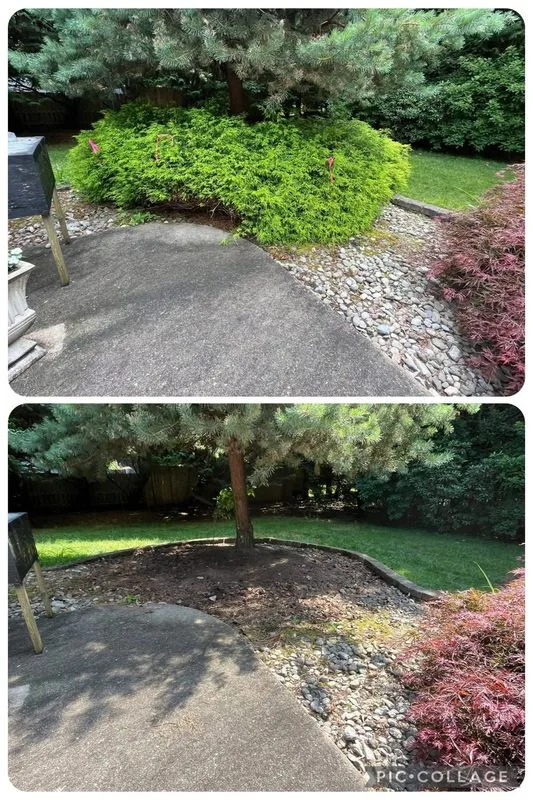
That Virginia sweetspire from the summer section? Its foliage now ignites into deep garnet, burnt orange, and plum. Some of the most vivid fall color on any shrub in southern New Jersey comes from this single species. Against the backdrop of Linwood's yellowing oaks, it practically glows.
Bayberry (Myrica pensylvanica) shifts from background player to star as its clusters of waxy gray berries become visible against semi-evergreen foliage. By October, migrating yellow-rumped warblers are stripping bayberry bushes along the edges of properties throughout Linwood's quieter streets. This five-to-eight-foot shrub improves its own soil by fixing nitrogen, thrives in the leanest sandy patches, and provides year-round screening. Plant a row of five or six along a back property line and you have a privacy hedge that feeds wildlife all winter.
In the understory, spicebush delivers a second performance: its leaves turn a clear, luminous gold, and female plants display clusters of glossy scarlet berries. Wood thrushes and veeries -- birds that breed in the forested corridors near Linwood -- depend on these high-fat berries to fuel their southward migration. Your garden becomes a fueling station on the Atlantic flyway.
Winter: Structure, Texture, and Quiet Beauty (December through February)
A conventional Linwood landscape goes dormant in winter and looks it -- bare mulch beds, brown lawn, nothing to see. A native garden keeps working.
Inkberry holly (Ilex glabra) holds dense, dark-green foliage straight through the coldest months, giving your foundation plantings and borders the same solid structure in January that they had in July. The compact cultivar 'Shamrock' stays tidy at three to four feet and replaces boxwood without the winter bronzing, deer damage, or blight problems that plague exotic hedging plants. Its persistent black berries are a late-winter lifeline for robins and mockingbirds when every other food source is gone.
Beneath the bare oaks in the shaded sections of your property, Christmas fern (Polystichum acrostichoides) stays green all winter. These graceful, arching fronds -- a foot or two tall -- are the reason this fern got its common name. They look best in January, when everything else has gone to sleep. Mass them along a shaded walkway or beneath a window and they give the yard a lush, alive quality that no amount of mulch can replicate.
Meanwhile, the dried seed heads of switchgrass catch low winter light and frost in ways that are genuinely beautiful. The tawny stems of black-eyed Susans stand like small sculptures. Leave these standing through winter rather than cutting them back -- they shelter overwintering beneficial insects and feed seed-eating birds during the leanest months.
Putting It All Together on Your Linwood Property
The seasonal approach works because it forces you to think about your garden as a twelve-month investment rather than a three-month decoration. Every plant listed above earns its space across multiple seasons, and none of them require the constant watering, fertilizing, and pest-spraying that conventional ornamentals demand in Linwood's sandy loam.
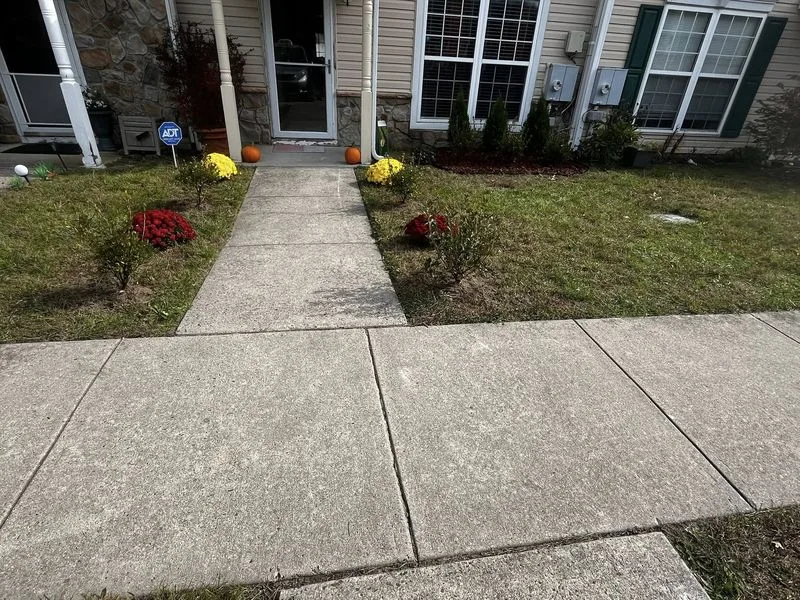
Start with one bed. Remove the tired junipers or overgrown yews along your foundation and replace them with inkberry, sweetspire, and a sweep of columbine. Or convert a struggling patch of lawn near a shaded property line into a spicebush and fern grove. Once you see how much less work these plants require -- and how much more life they attract -- you will want to expand.
Our landscape design team builds custom four-season native planting plans for Linwood properties, accounting for the specific sun exposure, soil, and drainage patterns on your lot. We handle the design, sourcing, and installation. For homeowners who also want to keep their existing lawn areas healthy alongside native beds, we manage both so the whole property stays sharp.
If you are curious about how native plants perform in a neighboring town with different conditions, check out our guide to native plants for Northfield, where the soil and terrain present their own set of opportunities.
Need Help With Your Property?
Sean Patrick Services provides professional landscaping and native plant installation across Linwood, NJ and all of Atlantic County. Whether you want to add a few native shrubs to your foundation or design a complete native garden, we have the knowledge and experience to make it happen. Call us at 609-783-5287 or get a free estimate online.