
Best Native Plants for Landscaping in Brigantine, NJ
Drive across the Brigantine Boulevard bridge, and within minutes the mainland feels distant. The marsh grasses stretch out on either side. The air changes. By the time you reach the residential streets south of the bridge, you are on a narrow ribbon of sand between the Atlantic Ocean and the back bays, sharing your island with one of the most significant wildlife refuges on the East Coast. The Edwin B. Forsythe National Wildlife Refuge occupies the entire northern end of Brigantine, and that wild, undeveloped landscape shapes everything about this community, including what should be growing in your yard.
Brigantine is not a typical beach town. There are no boardwalks, no high-rises beyond Atlantic City's skyline visible to the south. The north end is raw, windswept, and belongs to the birds. The south end is residential, with homes elevated on pilings along streets like 26th Street South, Anchor Drive, and Bayshore Avenue. Between those two worlds, the challenge for any homeowner is the same: sand, salt, and wind that will defeat any plant not built for this environment. The answer is not fighting those conditions with imported shrubs from a garden center. The answer is planting what already belongs here.
From Dune to Bay: A Zone-by-Zone Planting Guide
What makes Brigantine unique among Atlantic County's barrier islands is the dramatic shift in conditions across a property that might only span 50 or 60 feet. Oceanside yards face direct salt spray and grinding sand carried by onshore winds. Bayside properties deal with tidal flooding, poor drainage, and brackish splash during storms. The center of the island offers a narrow corridor of relative shelter. Smart landscape design in Brigantine means reading these zones and placing plants where they will actually succeed, not where they look good on a nursery tag.
The Exposed Edge: Plants for Oceanside and Dune-Adjacent Properties
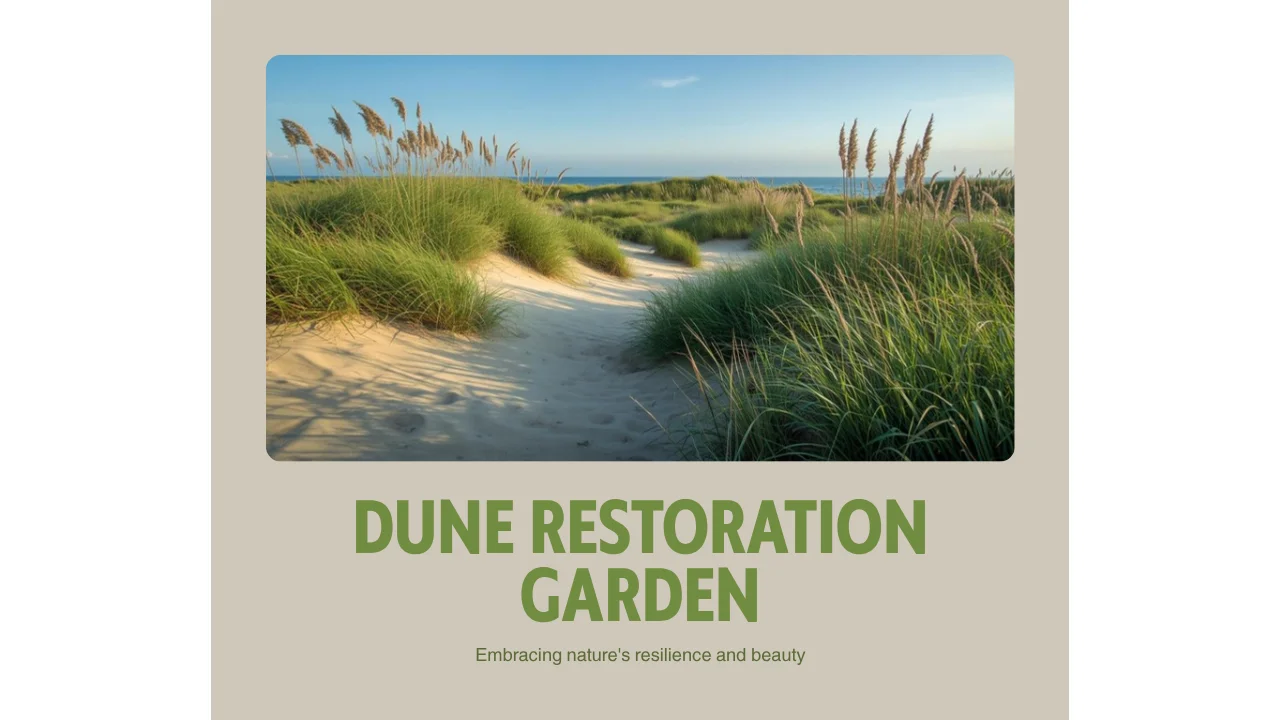
American Beach Grass (Ammophila breviligulata) is not optional on Brigantine. It is infrastructure. This species traps windblown sand in its dense root mat and literally builds the dunes that protect homes from storm surge. The city has invested heavily in dune restoration projects, and beach grass is the backbone of every one. On residential lots along the oceanside blocks, it works in sandy side yards, along property edges, and anywhere erosion threatens. It wants full sun, pure sand, and exposure. Give it shelter and rich soil and it will die. Give it the most punishing spot on your lot and it thrives. Two to three feet tall, blue-green, graceful in the wind.
Seaside Goldenrod (Solidago sempervirens) is the perennial that announces autumn on every barrier island from Maine to Virginia. Thick, waxy, fleshy leaves shrug off salt spray that would melt a hydrangea. From late August through October, arching sprays of gold flowers draw monarchs staging for migration at the refuge. This plant grows two to four feet tall and asks for nothing but sun and sand. It does not cause allergies. That is ragweed, a different plant entirely. Along walkways leading to the beach, in sandy front yards, or massed at the base of dune fencing, seaside goldenrod provides the kind of late-season color that makes a Brigantine property look intentional rather than abandoned after Labor Day.
Beach Wormwood (Artemisia stelleriana), the native dusty miller, is a ground-hugging perennial with silvery-white foliage that glows against the tans and greens of other coastal plants. Twelve to eighteen inches tall, it mats out densely, suppresses weeds, and stabilizes the soil surface. The harsher the conditions, the better it performs. Rich soil and supplemental water make it leggy and weak. Plant it along pathways, around mailbox posts, at the front of any planting bed, or in the strip between the sidewalk and the street where nothing else survives.
The Sheltered Interior: Mid-Island Plantings
The center of Brigantine, particularly the blocks between Brigantine Avenue and the bay, offers the closest thing the island has to shelter. Wind speeds drop slightly, salt concentrations decrease, and soil may hold a bit more organic matter from decades of leaf litter and landscape debris. This is where you have the most design flexibility.
Eastern Red Cedar (Juniperus virginiana) is the only native evergreen that provides serious year-round structure on a barrier island. Dense, columnar, reaching 20 to 40 feet, it serves as a living privacy screen, a windbreak, and critical habitat for songbirds moving through the refuge during migration. Cedar waxwings, robins, and bluebirds feed on its blue cones through winter. On the mid-island blocks, red cedars planted along the leeward property line create a protected microclimate for everything downwind. They require zero irrigation, zero fertilizer, and no pruning beyond shaping if you prefer a formal look.
Northern Bayberry (Morella pensylvanica) is the shrub that does everything. Five to ten feet tall, semi-evergreen, aromatic, salt-proof, wind-proof. Its waxy gray berries sustain tree swallows and yellow-rumped warblers through Brigantine's winters. Its roots fix nitrogen, improving the nutrient-dead sand it grows in. Mass it along a foundation, run it down a property boundary, or use it as the backbone of a mixed border. Bayberry asks for nothing and gives back constantly. Every Brigantine yard should have it.
Inkberry Holly (Ilex glabra) fills the role that boxwood and Japanese holly fail at on barrier islands. This broadleaf evergreen keeps its glossy, dark green leaves through winter while those imported alternatives scorch brown from salt wind by their second season. Four to eight feet tall, equally tolerant of wet bayfront drainage and dry oceanside sand. Foundation beds, low hedges along front walks, borders around outdoor patios. Prune once in early spring for a tight shape. Its black berries feed songbirds through the months when food is scarce and the refuge's migratory visitors have moved on.
The Bayside: Plants for Wet, Brackish Conditions
Brigantine's western edge faces the back bays and the vast salt marshes that extend toward the mainland. Bayside properties along Bayshore Avenue and the western ends of the numbered streets deal with poor drainage, occasional tidal flooding during moon tides and storms, and brackish soil that punishes anything not specifically adapted to those conditions.
Switchgrass (Panicum virgatum) belongs on every bayside lot in Brigantine. Three to five feet tall with deep, aggressive roots that anchor sandy soil and survive periodic salt flooding. The airy seed heads appear in late summer and catch morning light off the bay through late winter. Fall foliage shifts into gold, amber, and burgundy tones that look spectacular against the flat gray water. Replace a struggling section of lawn with a switchgrass meadow, or run a mass planting along the bulkhead edge where mowing is a nightmare anyway. It stabilizes the ground, eliminates ongoing mowing and fertilizing costs, and gives the property a finished, coastal look year-round.
Beach Plum (Prunus maritima) is a four- to eight-foot deciduous shrub that erupts with white blossoms in spring before it leafs out, then loads its branches with small purple plums by late summer. The fruit makes exceptional jams and jellies, and the dense, twiggy growth shelters nesting birds. Its spreading root system grips sand and resists erosion on the bayside slopes where storm surge strips weaker plantings. Full sun, no amendments, no coddling.
What Brigantine's Conservation Community Already Knows
Walk the trails at the Forsythe Refuge any morning and you will see what an un-landscaped barrier island looks like when native plants run the show: bayberry thickets alive with warblers, beach grass building dunes one wind-driven grain at a time, goldenrod fields golden with monarchs in September. The volunteers at the Marine Mammal Stranding Center on Brigantine's north end understand the connection between healthy coastal vegetation and healthy coastal wildlife. Dune restoration efforts along the beachfront depend entirely on native plantings to hold the sand that protects homes from the next nor'easter.
Bringing those same species into your residential yard is not a concession. It is the smartest landscaping decision you can make on this island. These plants do not need your help once established. No irrigation systems running through August. No fertilizer pushing soft growth that salt wind will burn within a week. No replacement cycles every two or three years. Just plants doing what they have done on this island for thousands of years. If you are interested in how coastal conditions compare to other environments in the county, our Longport native plants guide covers the unique double-salt-exposure challenge on the southern end of Absecon Island, while our Galloway native plants guide shows just how different mainland planting is from island life.
Practical Guidance for Brigantine Installations
Barrier island planting follows different rules than mainland gardening. Ignore the advice on the back of the plant tag. Here is what actually works on this island:
Do not truck in topsoil. Heavy clay-based soil dumped onto barrier island sand creates a drainage barrier that traps water against root crowns and rots plants from below. Work a thin layer of composted leaf mulch into the top few inches of your existing sand if you want to add organic matter, but keep it minimal. These plants evolved in nutrient-poor ground.
Forget organic mulch. Wood chips and shredded bark blow across the street in the first serious wind event. Use crushed shell, pea gravel, or small stone to hold plantings in place and reflect summer heat away from root zones. Shell mulch also gives a Brigantine property a coastal aesthetic that wood chips never will.
Layer your windbreaks. Red cedar and bayberry go on the windward side. Inkberry and beach plum fill the middle ground. Low perennials, grasses, and groundcovers tuck in closest to the house. This tiered approach bleeds off wind speed across the property and creates a sheltered pocket for outdoor living space and any plants that benefit from reduced exposure.
Time your installations for October through November or March through April. Midsummer planting on a barrier island is brutal. Salt concentration peaks, temperatures spike off the sand, and transplant shock combines with environmental stress to kill plants that would have established easily six weeks earlier or later. Water deeply at planting and through the first growing season. After that, leave these species alone.
Working with Sean Patrick Services on Brigantine
We have installed native landscapes across Brigantine from the south end residential blocks to the properties bordering the refuge entrance, and we approach every project understanding that this island demands a different plant palette and a different installation method than any mainland job. Our landscape design process starts with reading your property's specific exposure, drainage, and salt conditions rather than pulling from a generic species list. We source plants from coastal nurseries that grow salt-hardened, wind-tested genotypes, not greenhouse stock that has never tasted ocean air.
Whether you need a full property redesign, a dune restoration planting along your oceanfront edge, or ongoing seasonal care to keep an established native landscape clean and healthy, our crew handles every phase. Call us or request your free estimate to start building a yard that works with this island instead of against it.
Need Help With Your Property?
Sean Patrick Services provides professional lawn care and landscaping across Atlantic County, NJ. From native plant installations and landscape design to weekly mowing and seasonal cleanups, we handle it all so you can enjoy your yard without the work. Call us at 609-783-5287 or get a free estimate online.