
Best Native Plants for Landscaping in Absecon, NJ

Drive down Absecon Boulevard toward the lighthouse and you pass through two different worlds in under a mile. Inland, the soil is pale and gritty -- Pine Barrens sand, acidic and lean, the kind that pitch pines and scrub oaks have claimed for centuries. Head toward Shore Road and the character shifts. Salt hangs in the air off Absecon Bay, the ground turns marshy at the edges, and the vegetation hugs the earth to dodge the wind coming across Lake's Bay. Most landscaping advice ignores this split entirely. But if you own a home in Absecon, understanding it is the single most important thing you can do before putting a plant in the ground.
This guide breaks your property into zones -- front yard, side and utility areas, and backyard -- and recommends specific native species for each, based on the soil and exposure conditions that actually exist on Absecon lots.
The Front Yard: Curb Appeal That Survives Route 30 Summers
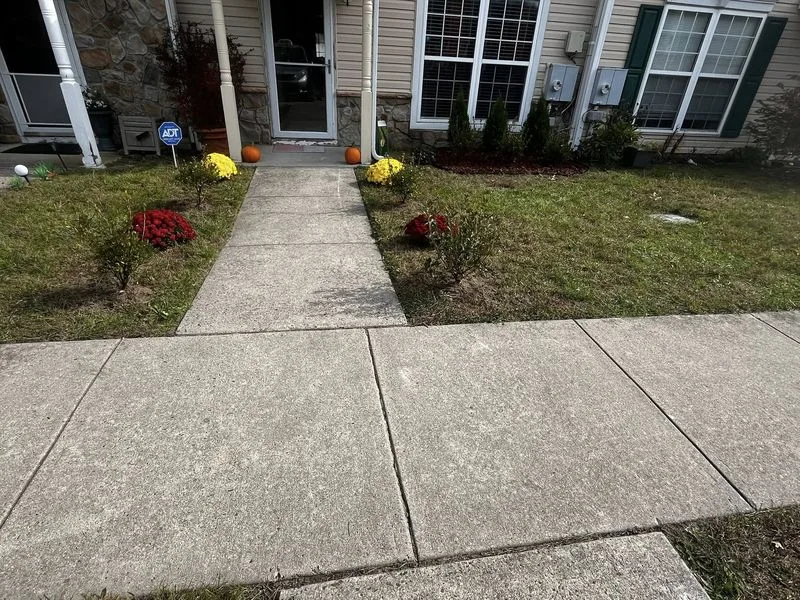
Front yards along the White Horse Pike corridor, Mill Road, and the neighborhoods between Absecon Boulevard and Route 9 tend to sit on higher, drier ground. The soil is sandy loam at best, pure sand at worst. Summer heat radiates off driveways and sidewalks. These conditions cook conventional foundation shrubs like azaleas and boxwoods, leaving homeowners with brown, crispy hedges by August.
Virginia Sweetspire (Itea virginica) solves the foundation planting problem beautifully. Reaching three to five feet with an arching, graceful habit, sweetspire produces dangling spikes of fragrant white flowers every June and then turns a deep garnet-red in October that stops people on the sidewalk. It handles the sandy soil along Mill Road without complaint and stays dense enough to screen low windows. The cultivar 'Little Henry' keeps things under three feet for under-window spots.
Eastern Red Columbine (Aquilegia canadensis) fills the strip between the foundation and the walkway with red and yellow bell-shaped flowers beginning in April. Hummingbirds find it within days of the first blooms opening. Columbine seeds itself into the cracks between flagstones and along bed edges, creating the kind of lived-in cottage look that expensive annuals try and fail to imitate. It thrives under the mature oaks that shade so many older Absecon front yards.
For the mailbox bed or a standalone accent near the driveway, group three to five butterfly milkweed plants (Asclepias tuberosa) together. The clusters of electric-orange flowers last from June into August, and monarch butterflies will find them reliably -- Absecon sits directly under the Atlantic flyway migration corridor. Butterfly milkweed sends a taproot deep into sandy ground and, once established after its first season, never needs watering again. It stays low at one to two feet, keeping sightlines open near the street.
Side Yards and Utility Areas: The Forgotten Zones
The narrow strips along driveways, the shaded passage between houses, the patch behind the AC unit -- these are the spaces that most landscapers fill with generic hostas or leave as bare mulch. In Absecon, native species can turn these neglected corridors into functional, attractive areas that connect the front and back landscapes.
Inkberry Holly (Ilex glabra) is made for tight side-yard conditions. This broadleaf evergreen keeps its dark, polished foliage through winter, providing a green wall when everything else goes bare. It handles the partial shade created by neighboring houses, tolerates the occasionally soggy spots where downspouts discharge, and grows in the acidic sand that Pine Barrens-influenced Absecon soil delivers. The 'Shamrock' cultivar holds a tight four-foot mound without any shearing -- a serious advantage in a narrow passage where you do not want to be out there with hedge clippers every month.
Along a sunny driveway edge or utility pad, little bluestem (Schizachyrium scoparium) adds seasonal drama without encroaching on walkways. Through summer, the two-to-four-foot clumps are a subtle blue-green. Come October, little bluestem turns a burnished copper that glows against the late afternoon light, and its fluffy white seed heads persist into January. This grass is a Pine Barrens native at heart -- it prefers the nutrient-poor, sandy ground that would starve a conventional ornamental grass.
The Backyard: Where Absecon's Two Ecosystems Meet
Backyards in Absecon are where things get interesting. Properties along Shore Road and Pitney Road face the salt influence of Absecon Bay directly. A nor'easter pushes salt spray across these yards with real force. Meanwhile, homes further inland along the Absecon Boulevard corridor or closer to the Galloway border back up to wooded lots with Pine Barrens character. Your backyard strategy depends entirely on which side of this divide your property falls on.
Bay-Side Backyards (Shore Road, Pitney Road, Lake's Bay Area)
Northern Bayberry (Myrica pensylvanica) should be the first thing you plant on any bay-exposed property line. This rugged, semi-evergreen shrub laughs at salt spray, sandy soil, and drought. It reaches five to ten feet and forms a dense enough screen to block the wind for everything planted behind it. Bayberry also does something unusual: bacteria in its root system pull nitrogen from the atmosphere and deposit it in the soil, gradually enriching the barren sand around it. The waxy gray berries draw migrating yellow-rumped warblers and tree swallows every fall. Line your back fence or property border with bayberry, and you have a windbreak that feeds birds and improves your soil simultaneously.
Behind that bayberry buffer, switchgrass (Panicum virgatum) fills the middle ground with vertical texture. The 'Heavy Metal' cultivar grows four to five feet of stiff, steel-blue blades that stay upright through storms, and the airy seed heads in late summer catch light coming off the bay in the evenings. Switchgrass roots reach ten feet underground, anchoring sandy slopes and absorbing stormwater before it runs off toward the bay. For Pitney Road properties that slope toward the water, this erosion control alone justifies planting it.
Inland Backyards (White Horse Pike Corridor, Mill Road, Absecon Highlands)
Further from the bay, salt is less of a factor and shade from mature trees plays a bigger role. Wild Bergamot (Monarda fistulosa) thrives in the sunnier patches of inland backyards, sending up two-to-four-foot stems topped with lavender-pink flower clusters from July through September. Native bees -- dozens of species -- work these blooms relentlessly, and the aromatic foliage keeps deer uninterested. Plant it along the back fence line or weave it through a mixed border with grasses.
Black-eyed Susan (Rudbeckia hirta) pairs naturally with wild bergamot, blooming at the same time with golden-yellow petals and dark centers that create a warm color contrast. It self-seeds freely in the sandy loam behind Absecon homes, coming back each year in slightly different spots -- a welcome randomness that keeps a native bed looking fresh. These two species together will carry your backyard through the entire summer with zero irrigation or fertilizer once they settle in.
For a tall evergreen anchor at the back corner of the lot, eastern red cedar (Juniperus virginiana) grows thirty to fifty feet with a columnar shape that provides year-round screening without consuming much ground space. Cedar waxwings strip the blue berries from its branches in winter -- a spectacle worth watching from the kitchen window. Red cedar handles Absecon's sandy, acidic soil and moderate salt in the air, and it is one of the few evergreen trees that actually prefer poor soil over rich.
Establishment: The First Season Matters Most
Every native plant on this list is tough once its roots are established. But that first growing season in Absecon's fast-draining sand is the critical window. Water new plantings deeply every two to three days from planting through the end of the first summer. Do not sprinkle lightly -- soak the root zone so water penetrates eight to ten inches down. Mix a shovelful of leaf compost into each planting hole to hold moisture around roots without creating the soggy conditions that cause rot. Spread two inches of pine needle mulch over the bed -- it breaks down slowly, adds acidity that Pine Barrens natives prefer, and lets rain soak through instead of shedding off.
Plant in October if you can. Fall planting gives roots four cool months to grow before the first real Absecon summer hits, and it dramatically reduces the watering effort compared to spring installation. By year two, your natives will be running on rainfall alone.
Working With Sean Patrick Services in Absecon
The transition zone challenge in Absecon -- Pine Barrens sand on one side, bay salt on the other -- means plant selection and placement have to be precise. A species that thrives on Mill Road may burn out on Shore Road. Our landscape design team evaluates every Absecon property for soil type, salt exposure, sun patterns, and drainage before recommending a single plant. The result is a planting plan built around your specific lot, not a generic list pulled from a gardening website.
Our lawn and plant care crew handles the follow-through: bed preparation, installation, first-season watering schedules, and fall cutbacks. We source native stock from South Jersey nurseries that grow plants adapted to local genetics, not shipped-in varieties from the Midwest that may carry the right species name but lack the coastal resilience your property demands.
If you are curious how native species handle conditions similar to what you see in neighboring bayfront towns, take a look at our guides for Somers Point and Pleasantville -- each town has its own soil and exposure quirks that shape which plants perform best.
Need Help With Your Property?
Sean Patrick Services provides professional lawn care and landscaping across Atlantic County, NJ. From native plant installations and landscape design to weekly mowing and seasonal cleanups, we handle it all so you can enjoy your yard without the work. Call us at 609-783-5287 or get a free estimate online.