
Fixing Soggy Yards: French Drains and Grading in Atlantic County
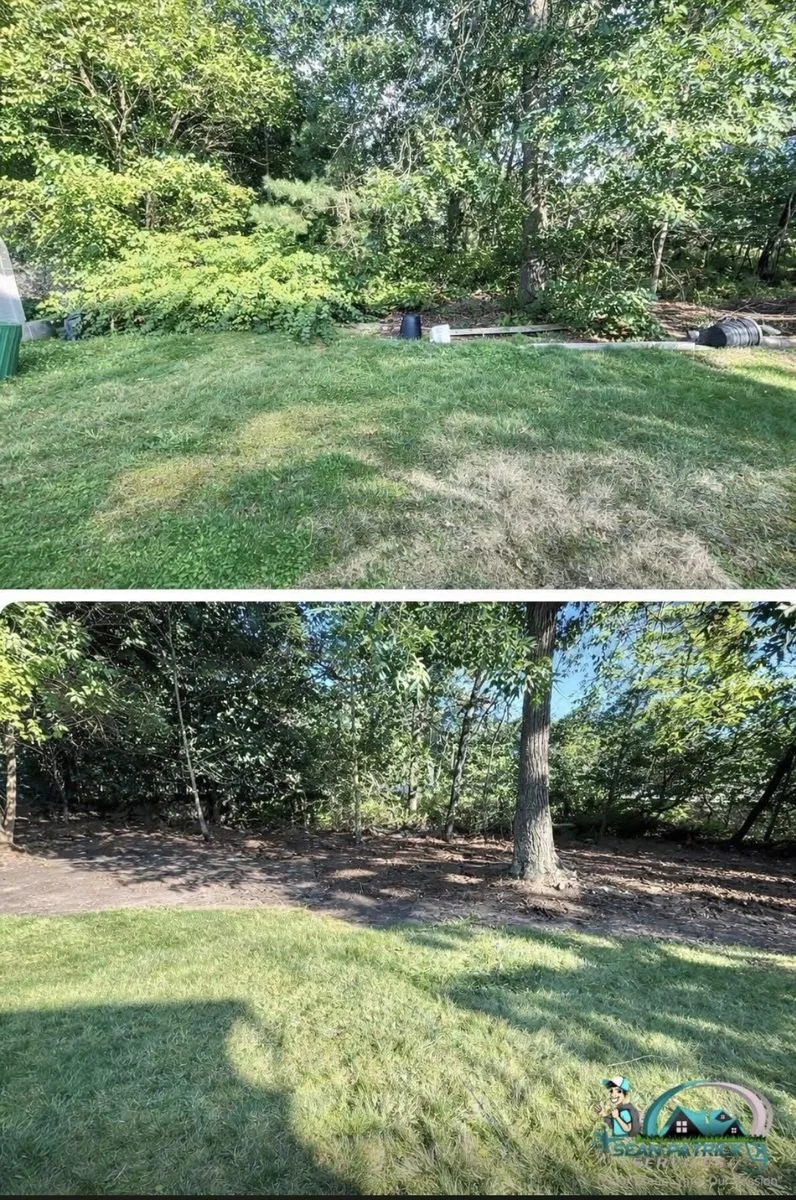
Atlantic County lots are not kind to water. The ground here is flat, the water table near the bays and back bays sits just a few feet below the surface, and the inland areas around Hammonton and Mays Landing carry heavy clay soils that shed water instead of absorbing it. When it rains hard — and this area gets serious rain events off the coast — water has nowhere to go. It pools on lawns, backs up against foundations, and turns backyards into mud pits that stay wet for days.
This is not a cosmetic problem. Standing water kills grass, breeds mosquitoes, and over time pushes against your home's foundation. If you've been living with soggy spots or perpetual puddles, the fix is a proper drainage solution — not wishful thinking about the water eventually soaking in. Here's what you need to know about French drains, grading, and how we approach drainage work in Atlantic County.
Why Do South Jersey Yards Hold Water?
The short answer: geography and soil. Properties close to the water — Somers Point, Linwood, Northfield, and the barrier islands — sit at near sea level with a water table that can be 18 to 36 inches down. After a rain event, the ground is already saturated. There is nowhere for new rain to go, so it pools on the surface.
Inland properties have a different problem. The clay-heavy soils around Mays Landing and Hammonton absorb water slowly. Clay particles pack tight, and water moves through them at a crawl. You can get three inches of rain and watch it bead up and run across the surface like a parking lot.
Add flat lot grades — common in every township across Atlantic County — and you lose even the option of slope carrying water away from the structure. Water just sits where it lands.
What Are the Warning Signs You Have a Drainage Problem?
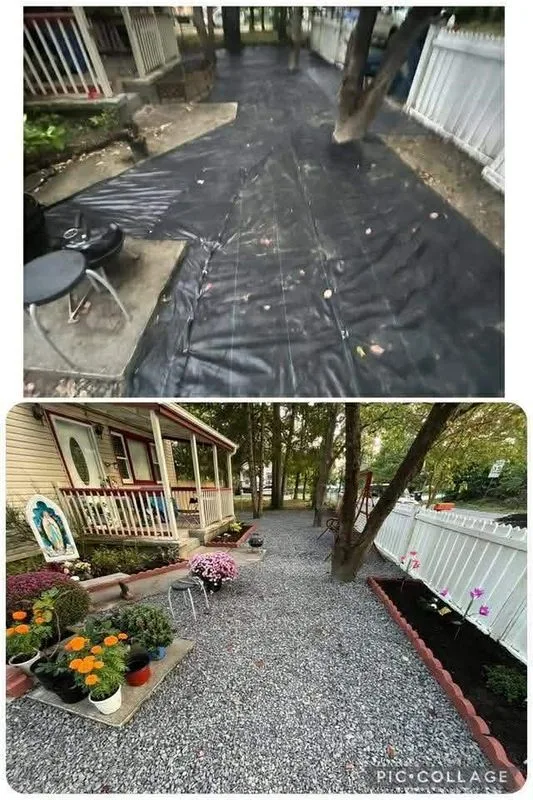
Some drainage problems are obvious. Others develop slowly until they cause real damage. Watch for these:
- Pooling after rain. Water that doesn't drain within 24 to 48 hours means the ground is overwhelmed or improperly graded.
- Soggy spots that never fully dry. Soft, spongy turf even in dry weather points to a high water table or an underground drainage issue.
- Mosquito pressure. Standing water is a breeding ground. If you have a mosquito problem, you likely have a water problem first.
- Basement or crawl space seepage. Water migrating toward your foundation means grade or subsurface drainage is directing water the wrong way.
- Dead or thinning grass in wet zones. Grass roots suffocate in waterlogged soil. Bare patches in low spots are a drainage symptom, not just a lawn care issue.
- Erosion channels after rain. Visible ruts or channels cut by runoff mean water is moving fast and uncontrolled across the surface.
If you're seeing two or more of these, drainage work will do more for your property than any amount of fertilizer or lawn treatments.
What Is a French Drain and How Does It Work?
A French drain is a buried trench filled with gravel and a perforated pipe that intercepts groundwater or surface water and carries it to a discharge point — usually a daylight outlet at the property edge, a dry well, or the street. The perforated pipe sits in the gravel bed, water seeps in through the holes and the gravel voids, and gravity pulls it toward the outlet.
Done right, a French drain is invisible once the topsoil and grass go back over it. It handles both subsurface water (rising water table, saturated soil) and surface water that funnels toward it. It's one of the most effective tools for Atlantic County properties precisely because it works below grade where the problem actually starts.
The key variables are pipe size, gravel depth, filter fabric to keep soil from clogging the gravel over time, and where the water discharges. A French drain that terminates against a property line or into a low spot accomplishes nothing. The outlet has to be lower than the inlet and discharge to a legal, appropriate location.
French Drain, Surface Grading, Downspout Extensions, Dry Well — Which One Do You Need?
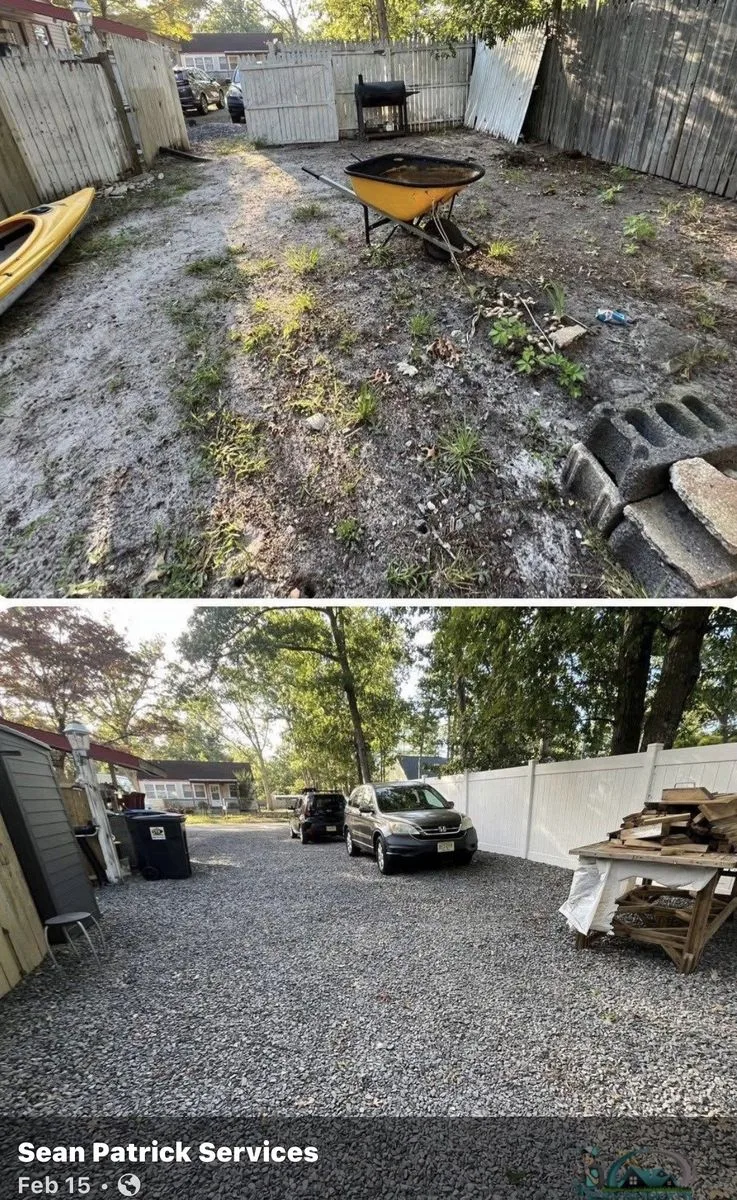
Not every wet yard needs a French drain. The right solution depends on where the water is coming from and what the lot allows.
- Surface grading. If the grade slopes toward the house instead of away from it, regrading the soil is often the first step — and sometimes the only step. Proper grade should drop at least six inches over the first ten feet away from the foundation. Grading alone solves many foundation-adjacent pooling problems.
- Downspout extensions. Gutters that dump water two feet from the foundation cause a huge percentage of the wet basement complaints we see. Simple underground extensions that carry downspout discharge 10 to 15 feet out and daylight in a lower area are cheap and effective.
- French drain. When the water table is high, when clay soil prevents surface absorption, or when you're dealing with a low spot that collects water from a large area, a French drain intercepts and redirects it underground.
- Dry well. A buried perforated chamber that holds water temporarily and lets it disperse slowly into surrounding soil. Works well in limited-space situations where you can't run a long drain line. Less effective in clay-heavy or already-saturated ground.
Often the best fix combines two approaches — grading plus a French drain, or downspout extensions tied into an underground drain line. A proper site assessment tells you what combination the property actually needs. Our drainage and grading solutions cover the full range, not just one tool.
What Does the Installation Process Look Like?
We start with a site walk to map where water enters, where it travels, and where it can legally discharge. For most residential jobs in Atlantic County, that means reading the lot grades, checking proximity to the water table, and identifying whether the problem is surface runoff, rising subsurface water, or both.
Trenching runs from the collection point to the discharge point. We install filter fabric in the trench first, then gravel, then the perforated pipe, then more gravel, then wrap the fabric over the top before backfilling. Cutting corners on any of these steps — skipping fabric, using too little gravel, burying the pipe without the right slope — means the system clogs or underperforms within a few years.
Surface restoration depends on what was there before: loam and sod, topsoil and seed, or decorative stone over the drain line. A functioning drainage system also supports a healthy lawn long-term — you can't grow good turf in a yard that's waterlogged half the season.
Why Does DIY Drainage Usually Fall Short?
The concept is simple — dig a trench, put in pipe, cover it up. The execution is where most DIY drainage attempts fail. Common problems include insufficient slope on the pipe (water won't move without at least 1% grade), no filter fabric (the system silts up in a few seasons), discharge points that dump water somewhere problematic, and drain lines that are too shallow to intercept the actual water movement.
Flat lots in Atlantic County make the slope problem worse. There is almost no margin for error. A drain line that drops half an inch over 50 feet barely functions. Getting the math right requires instruments, not guesswork. We've been called out to fix DIY installs that made the problem worse by directing water toward the house instead of away from it.
If you're dealing with ongoing pooling, wet basement walls, or soil erosion on your property, the right move is a professional assessment before you start digging. Get a free estimate and we'll tell you exactly what the property needs.
Need Help With Your Property?
Sean Patrick Services handles lawn care, landscaping, drainage, cleanups, and outdoor improvements across Atlantic County, NJ. Call 609-783-5287 or get a free estimate online.