
Decorative Stone and Rock Beds for Shore-Area Yards
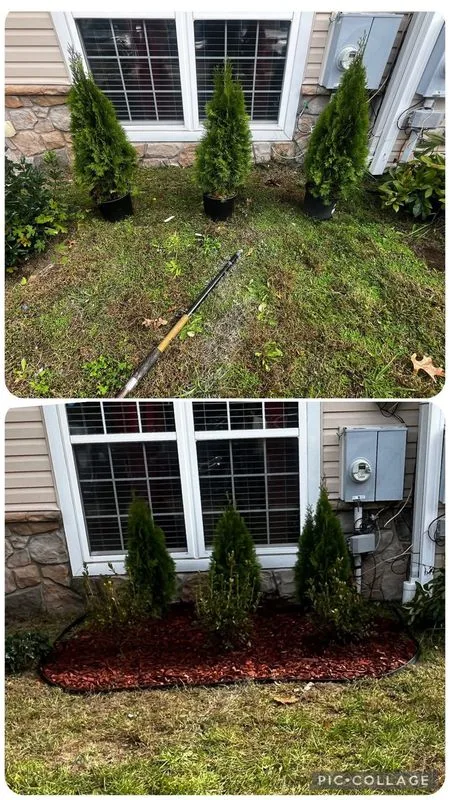
Mulch works fine in a lot of yards. But if your property sits anywhere near the water — in Margate, Ventnor, Brigantine, or anywhere else in Atlantic County where the wind picks up off the ocean — mulch has real limitations. It floats during a heavy rain, blows across the driveway in a nor'easter, breaks down fast in salt air, and needs to be topped off every season. Decorative stone and rock beds are a different calculation entirely.
Stone is a one-time install that holds its place, handles drainage, and looks sharp for years without much attention. For shore-area properties especially, it's often the smarter long-term call. Here's what you need to know before you decide.
Why Does Stone Outperform Mulch in Coastal Yards?
The main problem with mulch near the coast is that it's lightweight and organic. Salt air accelerates decomposition. Wind scatters it into the lawn or the neighbor's yard. A hard rain pushes it down the slope into the street or into your drainage channels. After a storm you're raking it back into place or calling someone to top it off.
Stone doesn't do any of that. River rock, gravel, and larger accent stone stay exactly where you place them through wind, rain, and salt exposure. They don't rot, they don't attract insects the way wet wood chips do, and they don't need annual replacement. On a shore property that takes a beating from weather, that stability matters.
- Wind resistance. Even 3/4-inch gravel won't blow around in typical coastal gusts the way shredded mulch does.
- Flood and storm tolerance. Stone allows water to pass through rather than floating and redistributing across the yard.
- Salt compatibility. Inorganic stone isn't affected by salt air or salt spray the way organic materials are.
- Longevity. A properly installed stone bed lasts five to ten years or more before needing significant attention.
What Types of Stone Work Best for Decorative Beds?
The right material depends on what the bed is doing and how you want it to look. Most residential projects in South Jersey use one of a handful of options, sometimes in combination.
- River rock. Smooth, rounded stones in the 1- to 3-inch range. Works well in visible beds and along borders where you want a clean, finished look. Good drainage, easy to walk on.
- Pea gravel. Smaller and finer, good for tight spaces and paths. Tends to scatter more underfoot but compacts reasonably well with use.
- Crushed stone or bluestone gravel. Angular edges lock together better than round stone, which makes it more stable in high-traffic areas like driveway borders.
- Larger accent boulders. Used as focal points or to anchor corners of a bed, not to fill the whole area. Adds structure and breaks up flat ground.
- Lava rock. Lightweight and porous, better for purely decorative applications — not great for high-drainage situations because it can shift.
For most Atlantic County yards, river rock or crushed stone fills the bulk of the bed, with a few larger pieces placed strategically for visual weight. The decorative stone and rock beds we install almost always combine materials rather than using a single type throughout.
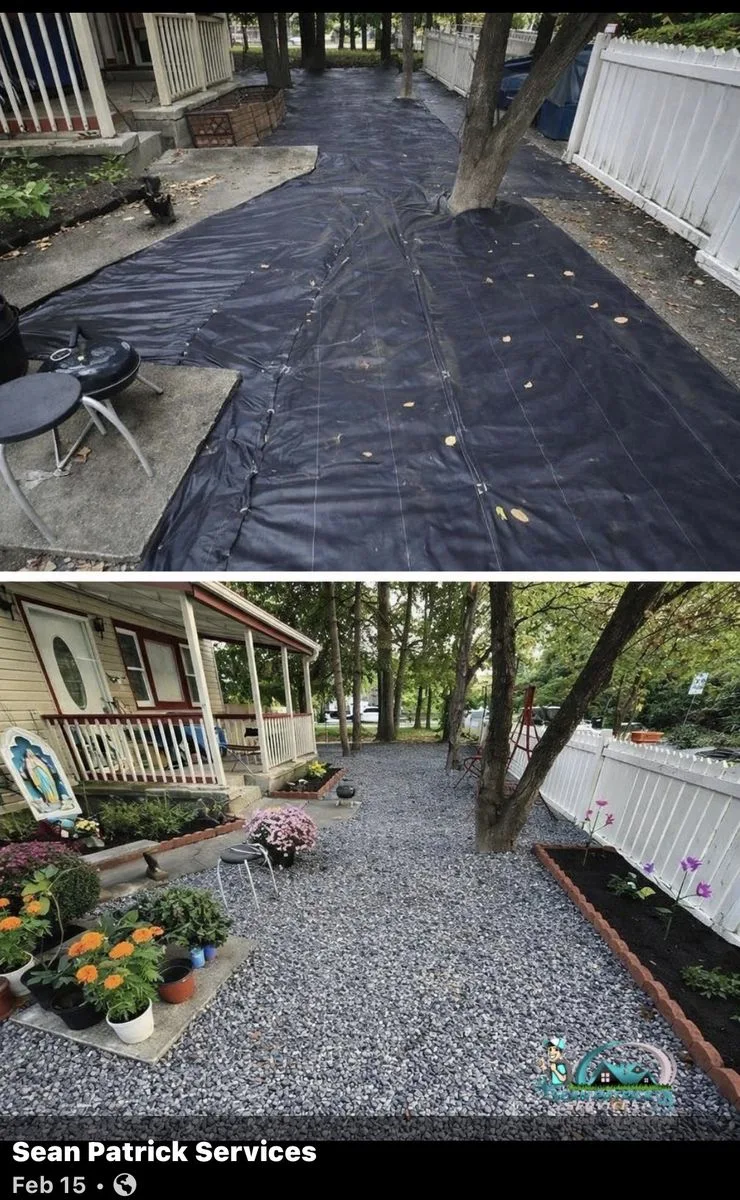
How Does Stone Help With Drainage on Shore Properties?
Drainage is a serious issue on barrier island properties and anywhere close to sea level in Atlantic County. Flat grades, high water tables, and sandy soil that can only absorb so much water before it backs up — these are standard conditions in Ventnor, Brigantine, and the Egg Harbor Township areas.
A stone bed creates a permeable surface that lets water move through quickly rather than pooling on top of organic mulch or compacted soil. When installed over a properly graded base, stone beds can direct runoff toward a catch basin, a dry creek channel, or simply away from the foundation. This is especially useful in side yards and low-traffic beds where you want the water to drain without creating a muddy mess.
If your yard has an existing drainage problem, stone alone won't fix it — but it's a compatible surface for drainage solutions that do. Our landscape design work often pairs stone beds with French drains or dry wells on properties where standing water is a recurring issue.
What Does a Proper Stone Bed Installation Actually Involve?
The difference between a stone bed that looks good for a decade and one that's overrun with weeds in two years comes down to prep work. Dumping gravel on bare soil and calling it done is a common shortcut that always catches up with you.
- Edge installation. Steel, aluminum, or concrete edging holds the stone in place and creates a clean separation from the lawn. Without it, stone migrates into turf and grass creeps into the bed.
- Base prep. Existing weeds and grass need to be removed, not just covered. Leaving root systems under the fabric means they come up through gaps eventually.
- Landscape fabric. Commercial-grade woven fabric, not the cheap plastic sheeting you find at box stores. The woven type allows water and air to pass through while blocking most weed growth from below.
- Depth. Two to three inches of stone is the minimum for good coverage and weed suppression. Less than that and you get bare patches; the fabric shows and weeds that blow in from above find easy purchase.
- Drainage slope. Even a slight grade — a couple inches over ten feet — helps water move off the bed rather than pooling.
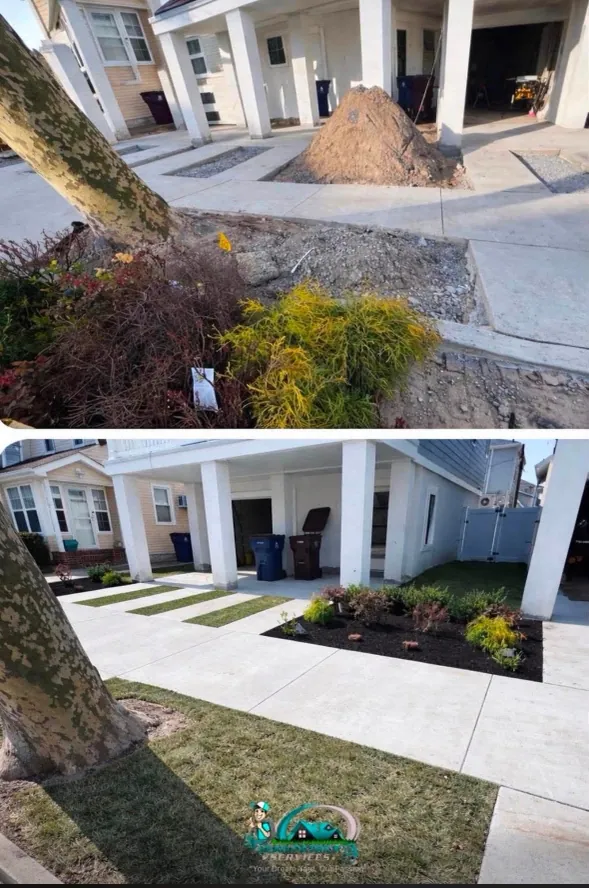
Which Plants Hold Up Next to Stone Beds in Salt Air?
Stone beds work well as a standalone ground cover, but they also pair naturally with salt-tolerant plantings common to South Jersey shore yards. The stone retains heat, which some ornamental grasses and succulents actually prefer, and it keeps moisture from sitting against plant crowns and rotting them out.
Plants that hold up well in these conditions include ornamental grasses like Karl Foerster and Blue Oat Grass, junipers, Russian sage, sedum, and native species like beach plum and bayberry. These aren't high-maintenance choices — they're selected specifically because they're built for coastal exposure and don't need constant watering or babying. Against a background of river rock or crushed stone, they give you a finished, low-maintenance landscape that handles what shore weather throws at it.
Where Do Stone Beds Make the Most Sense on a Residential Property?
Stone isn't right for every spot in the yard, but there are a few applications where it consistently outperforms alternatives.
- Driveway borders. The edge between a concrete or asphalt driveway and the lawn is a high-maintenance strip. Stone with solid edging eliminates mowing headaches and holds up to the occasional tire edge without compressing.
- Side yards. Narrow side yards are difficult to mow, often shaded, and prone to drainage problems. Stone turns a problem area into a clean, functional surface.
- Foundation beds. Low-traffic beds along the house benefit from stone because it doesn't hold moisture against the siding and doesn't need to be refreshed each spring.
- Utility areas. Around AC units, trash enclosures, or shed pads, stone keeps things tidy without requiring any ongoing care.
Stone is not a good fit for areas where you're planting annuals or rotating beds frequently, since raking back stone to replant is tedious. For active planting areas, mulch still makes more sense. The right approach is often a combination — stone where it's permanent, mulch where you're gardening. Check our service areas page to confirm we cover your town.
What Kind of Maintenance Does a Stone Bed Actually Need?
This is where stone earns its keep. Compared to mulch beds that need annual or biannual topping off, stone beds require very little once they're properly installed.
Weeds that blow in from above will germinate in any organic debris that settles on top of the stone — leaves, dust, decomposing plant matter. An occasional pass with a leaf blower keeps debris from accumulating and reduces weed pressure significantly. Any weeds that do take hold are easy to pull from loose stone before they establish deep roots. After five or six years, some beds benefit from a light refresh — raking the existing stone and adding a thin layer on top to restore even coverage.
What you won't be doing is replacing the whole bed, buying bags of mulch each spring, or cleaning up wind scatter after every storm. For a shore property that already comes with enough seasonal upkeep, that's a meaningful difference.
Need Help With Your Property?
Sean Patrick Services handles lawn care, landscaping, drainage, cleanups, and outdoor improvements across Atlantic County, NJ. Call 609-783-5287 or get a free estimate online.