
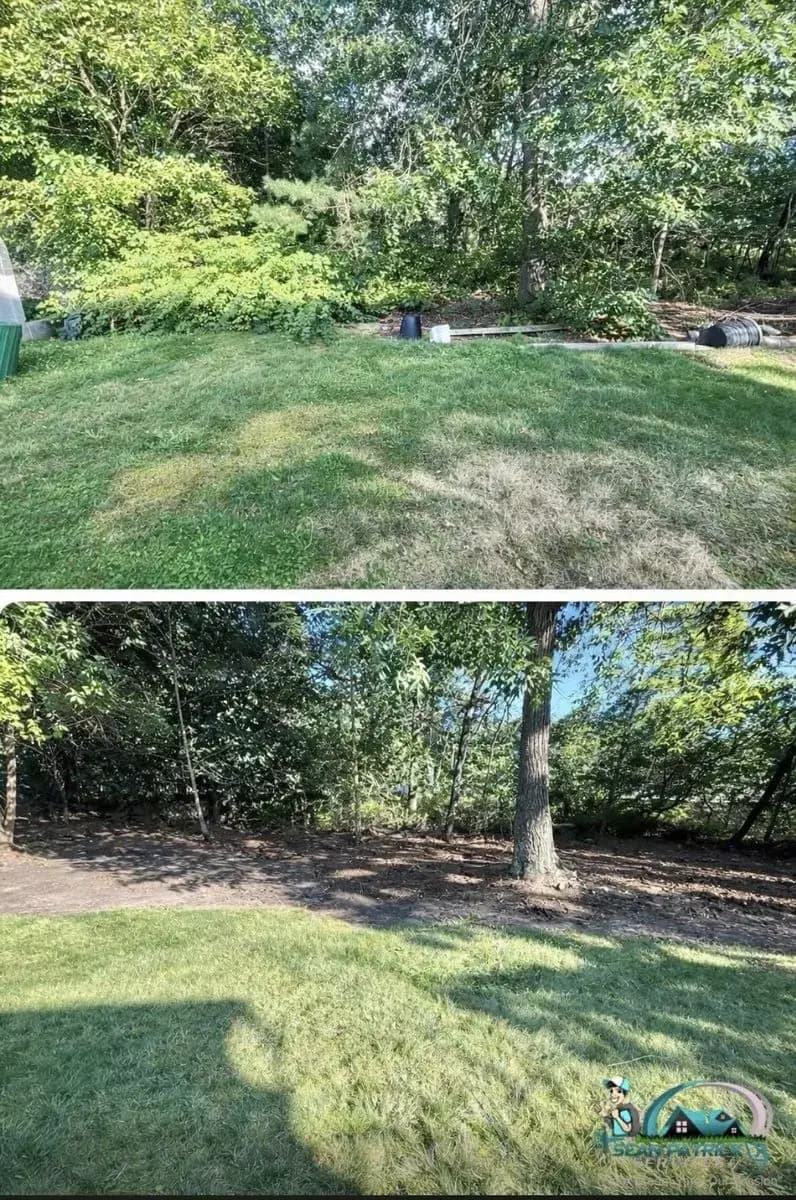
By late July, an overgrown property in Atlantic County has hit its ceiling. Everything that was going to grow has grown. Virginia creeper has climbed the fence line, wild grape has pulled down whatever it could reach, and the volunteer maples and sweetgums that were ankle-high in April are now waist-high saplings with real root systems. Poison ivy is at its thickest and shiniest. If you have been putting off dealing with the back half of your lot, this is the moment it looks worst — and the moment it is most worth fixing.
Most calls we get for brush clearing come from one of three situations. The property owner got a property maintenance notice from the township and has a deadline. The property is going on the market and the listing photos cannot show a wall of green. Or someone simply wants their yard back — the shed they cannot reach, the fence they cannot see, the corner that used to be a garden. All three are solvable, and mid-summer is a better time to solve them than most people assume.
What Does Full Brush Clearing Actually Include?
There is a real difference between knocking growth down and clearing it out. Running a brush mower over a lot makes it look better for about a week. The stems are still rooted, the vines are still anchored, and the debris is still on the ground rotting into a layer that seeds the next round of growth.
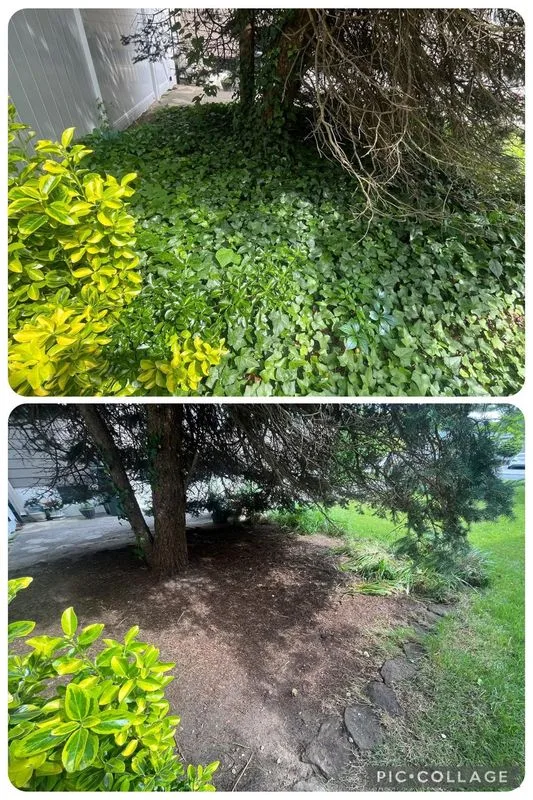
Full brush clearing means cutting the growth at the base, pulling vines off structures and trees rather than just severing them, cutting volunteer saplings low enough that they are not a trip hazard or a mower killer, and then hauling every bit of it off the property. That last part is the part people underestimate. An average overgrown quarter-acre generates a startling volume of material once it is cut, and it has to go somewhere. Leaving it piled at the back of the lot is not clearing — it is relocating the problem and creating a new one, because brush piles are exactly where ticks, snakes, and rodents move in.
A proper job also includes dealing with what is tangled in the growth: old fencing, dumped tires, buried concrete, rotted lumber, kids' toys from two owners ago. On neglected lots this is common enough that we plan for it.
Why Do Pinelands-Edge Towns Grow Over So Fast?
If you own property in Galloway, Hammonton, Egg Harbor City, or Port Republic, you already know your lot behaves differently than one in a tighter neighborhood in Pleasantville or Absecon. Properties on the Pinelands edge sit next to a permanent seed bank. Sandy, acidic soil that struggles to grow a nice lawn grows pitch pine, scrub oak, greenbrier, and sweetgum without any encouragement at all. Wind and birds move seed onto your lot constantly, and there is no shortage of it.
Add larger lot sizes, more wooded borders, and a lot of properties that only get attention along the road frontage, and you get the pattern we see every summer: the front looks maintained, and forty feet back the woods have quietly advanced ten feet toward the house. Two skipped seasons on a Galloway or Port Republic lot puts you well past what a mower can handle.
What Is Hiding in an Overgrown Lot?
This is the part worth taking seriously before you decide to tackle it yourself on a Saturday.
- Poison ivy. It is everywhere in South Jersey and it is at peak potency in summer. It climbs as a hairy vine, sprawls as groundcover, and stands up as a shrub — three forms, same rash. Cutting it with a string trimmer aerosolizes the oil.
- Ticks. Tall grass and brush edges are exactly where they wait. Atlantic County has a real tick load and mid-summer is prime season.
- Dumped debris. Vacant and neglected lots collect things. Metal, glass, tires, and half-buried concrete are all machine-breakers and injury risks.
- Hidden holes, stumps, and old foundations. Invisible under three feet of growth, and unforgiving to equipment and ankles alike.
- Damaged and leaning trees. Overgrowth hides trunk damage. If a tree in the mess looks compromised, that is a tree removal conversation before it becomes a storm cleanup conversation.
Is This a Cleanup or Is It Land Clearing?
Worth being clear, because the two get used interchangeably and they are different scopes of work.
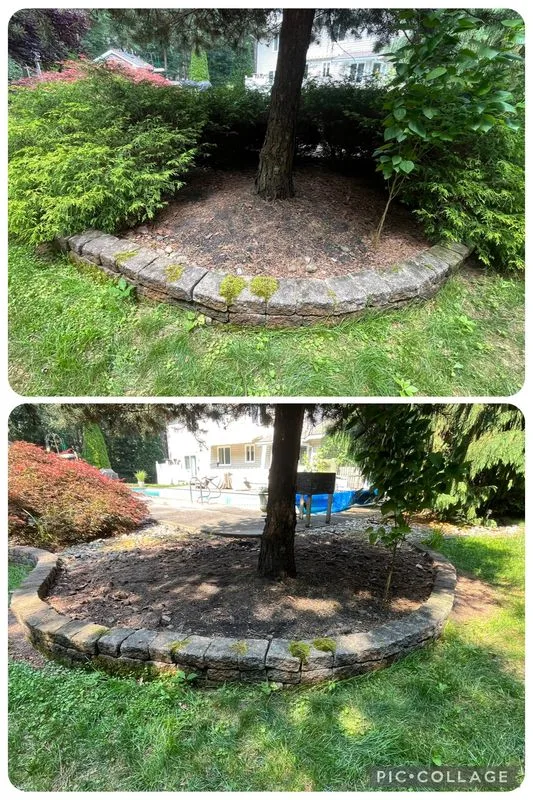
Brush clearing and lot cleanup is vegetation work. Brush, vines, saplings, invasive shrubs, overgrown beds, accumulated debris. The ground stays as it is. You end up with a clean, walkable, mowable property. This covers the large majority of what property owners in Atlantic County actually need, and it overlaps heavily with our seasonal cleanup work.
Land clearing is excavation work — removing mature trees and stumps, grubbing out root systems, regrading. That is a different scope with different equipment and, depending on the property, different approvals, especially near Pinelands-regulated areas.
If you are not sure which one your property needs, that is what a walkthrough is for. Most people who think they need land clearing need thorough brush clearing.
Why Clear Now Instead of Waiting for Fall?
The instinct is to wait for cooler weather and let things die back on their own. Here is why that costs you.
Clearing in July or August means you get the rest of the growing season to lock the work in. What comes back after a summer cut comes back soft and shallow, and one or two passes with a mower on that ground before the season ends is enough to establish it as maintained space rather than reverting brush. Clear in November and nothing happens for six months — then spring arrives and everything you cut regenerates from established roots all at once, with no maintenance window to control it.
The practical reasons stack up too. Dry summer ground means equipment gets in without rutting your property. Full leaf-out means we can actually see what is vine, what is invasive, and what is a tree worth keeping — in November it is all brown sticks. And if you are working against a property maintenance notice or a listing date, waiting is not really on the table anyway.
Once a lot is clear, keeping it clear is ordinary lawn maintenance, not another clearing job.
What Do You Get Back When the Lot Is Clear?
Clearing is not cosmetic. Property owners consistently find they got back more than they expected: fence lines that can finally be repaired or replaced, sheds and outbuildings that are accessible again, a usable side yard, room for a garden, a firepit, or a play area. Sellers get listing photos that show a property with a yard instead of a property with a problem, and buyers stop mentally subtracting a cleanup bill from their offer.
There is a safety return as well. Clear ground means fewer ticks against the house, better sightlines, fewer places for pests to nest, and less fuel sitting against structures. Vines pulled off siding and trees stop doing slow damage you cannot see. You can review the full range of what we handle on our services page.
If you have a lot, a yard edge, or a property line in Atlantic County that has gotten away from you, the honest first step is having someone walk it and tell you what it actually needs. Call Sean Patrick Services at 609-783-5287 for a free on-site estimate on brush clearing and overgrown lot cleanup. We work throughout Egg Harbor Township, Galloway, Hammonton, Egg Harbor City, Port Republic, Absecon, Pleasantville, and the surrounding area — see our full service areas to confirm we cover your property.